LAKE TAHOE, Calif./Nev. – When it comes to horticulture in the Tahoe Basin, spring looks a lot like uncertainty. How long will the warm weather last before a cold front rolls in? Is it too soon to plant those vegetable seeds outside?
Some of the answers to these questions require years worth of experience planting in the Sierra Nevadas, just ask Sandy Gainza – UC Master Gardener of Lake Tahoe who has been gardening her entire life.
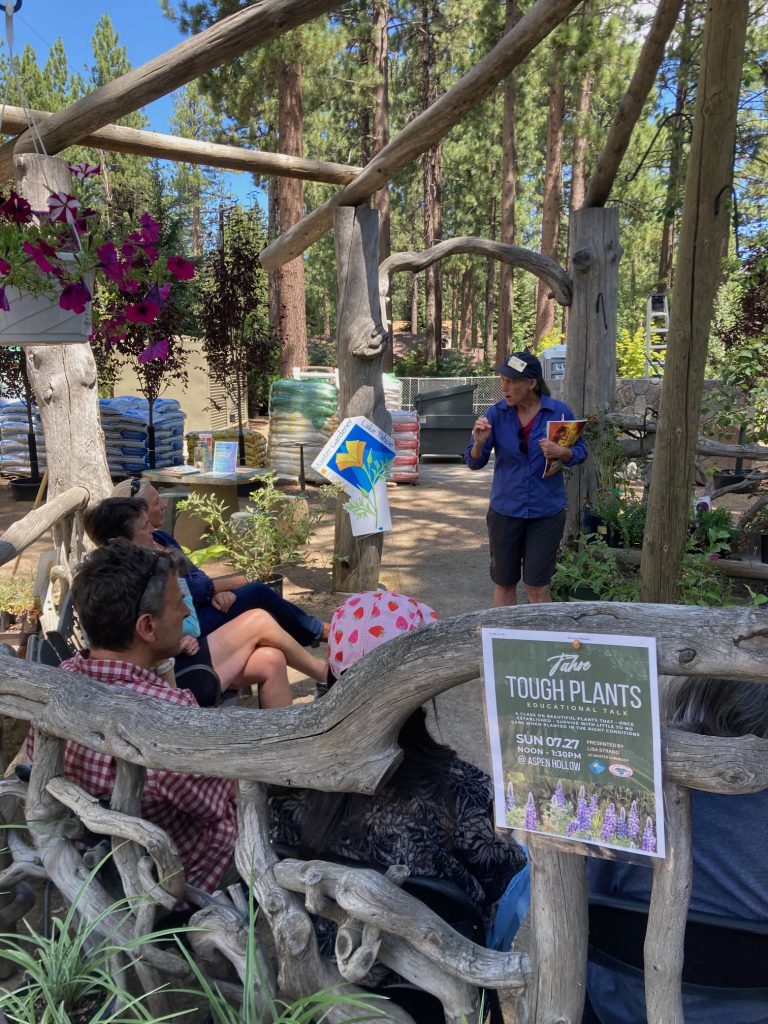
The UC Master Gardener Program is an education and outreach program made up of volunteers who provide intensive horticultural education, sustainable landscape practices, and pest management to communities statewide through the University of California Agriculture and Natural Resources. They offer workshops as well as school and community demonstrations.
Prior to living in Zephyr Cove, Gainza grew up gardening in Solano County, a very fertile area of California. After her move, she found herself having to make some adjustments.
“As far as trying to create a garden of plants you would like to grow rather than plants that want to grow in Tahoe, it’s a culture shock to a lot of people that move up here,” Gainza said.
Many can be fooled by the warmer weather during the early spring months, assuming it’s safe to begin planting for the season.
“We Master Gardeners caution everyone not to get too excited about warm weather in March because it still could freeze and snow up until mid-June,” Gainza said. “In fact, it’s important to point out to everyone that snow and freezing temperatures can happen any month of the year up here.”
As for this ‘in-between winter and spring’ window in Tahoe, what can you do? Gainza and the UC Master Gardeners of Lake Tahoe have some tips:
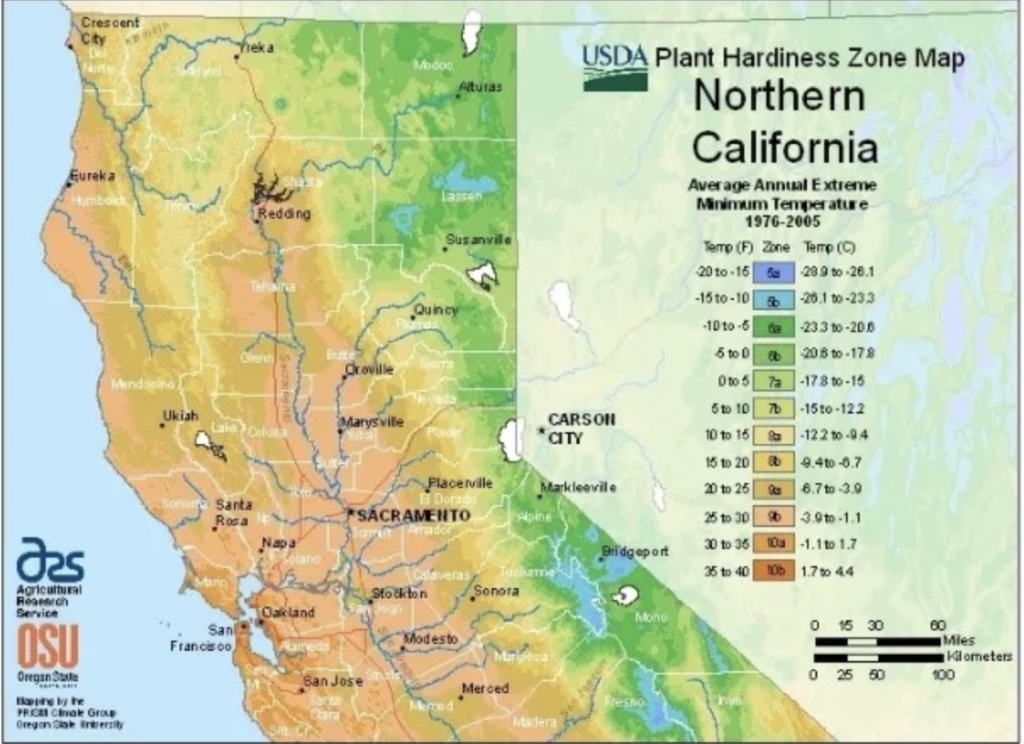
- Identify climate zones
Weather and temperatures can vary depending on which part of the lake you’re gardening in. “Advice that you give somebody from my part of the lake won’t help somebody that lives in a colder part of the lake,” said Gainza. Lake Tahoe’s USDA climate zones range from 6b-7a, according to the UC Master Gardener website. To locate your climate zone, visit https://ucanr.edu/site/uc-master-gardeners-lake-tahoe-basin/tahoe-friendly-garden-planting-zones-lake-tahoe.
- Begin planting seeds indoors
With the possibility of freezing temperatures during the early spring months in Tahoe, Gainza warns that planting outside too early could lead to disappointment. If you want to get a jump on your garden, utilize indoor planting until the weather shows consistently warmer temperatures. In reference to the UC Master Gardeners of Lake Tahoe newsletter, you can start most vegetable and herb seeds indoors 6-10 weeks before the last frost, using tools like grow lights, humidity domes and heat mats.
- Research wildlife in your area
One of the best ways to maintain and sustain your garden is to be aware of the wildlife that may want to use your crops and plants as snacks, such as squirrels, mice, birds and bears. “Wildlife are going to come out, they’re going to be hungry and they’re going to be looking for lovely things to eat. Lots of times, those things are the ornamental plants that people plant up here that have delicate foliage and taste good,” added Gainza. Practicing safe pest control methods that don’t harm wildlife should be researched if you’re looking to keep certain animals out. However, creating a garden that benefits the ecosystem in Tahoe is also important. Planting native plants to invite wildlife in could aid in restoring Tahoe’s natural habitat. To learn more about beneficial wildlife habitat resources, visit https://ucanr.edu/site/uc-master-gardeners-lake-tahoe-basin/central-sierra-lake-tahoe-basin-master-gardener-tahoe-2
Seeds that do well this time of year:
- Potatoes
- Sunchokes (Jerusalem artichoke)
- Kohlrabi
- Beetroot
- Carrots
- Onions
- Leeks
- Garlic
- Kale
- Swiss Chard
- Lettuce
- Arugula
- Spinach
- Snow peas
UC Master Gardeners of Lake Tahoe will be attending festivals throughout the summer including Earth Day at Lake Tahoe Community College on April 18, 2026. You can also find them every Tuesday at the El Dorado County Certified Farmers’ Market.
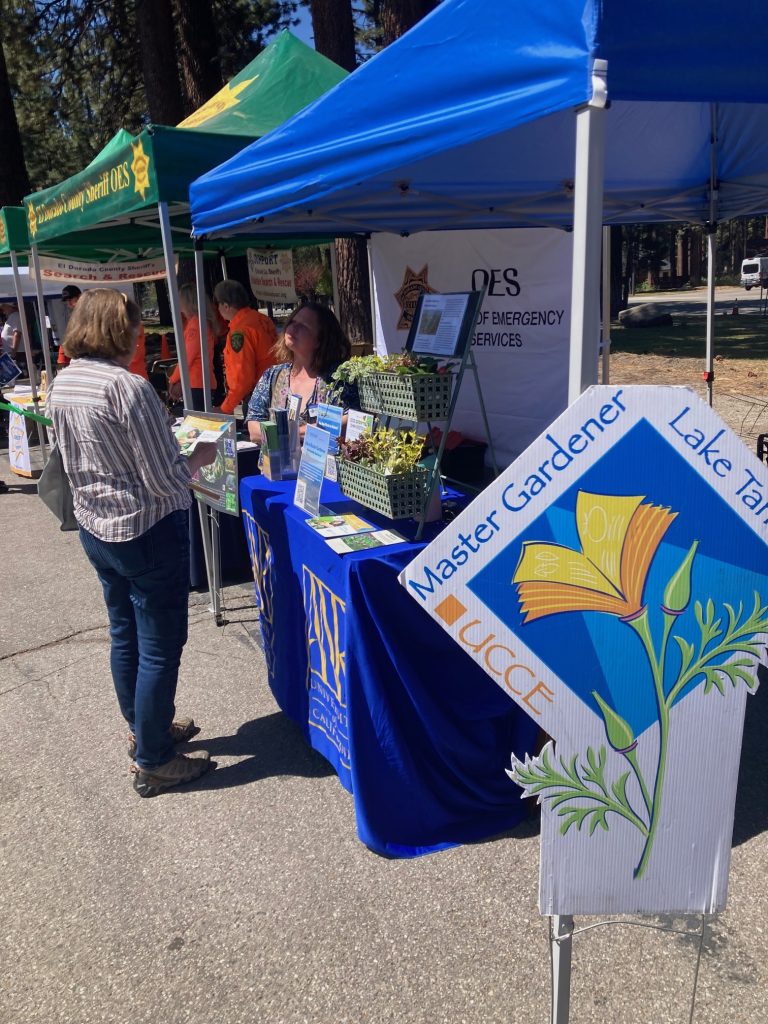
In addition to events, they will be teaching classes in the coming months with the next one being part of their Home Grown Tahoe Series: Edible Gardening in Spring on Saturday, May 16. To register, visit https://ucanr.edu/site/uc-master-gardeners-lake-tahoe-basin/event/central-sierra-home-grown-tahoe-high-elevation-1.
To learn more about the UC Master Gardeners Program and ways to get involved, go to https://ucanr.edu/site/uc-master-gardeners-lake-tahoe-basin.