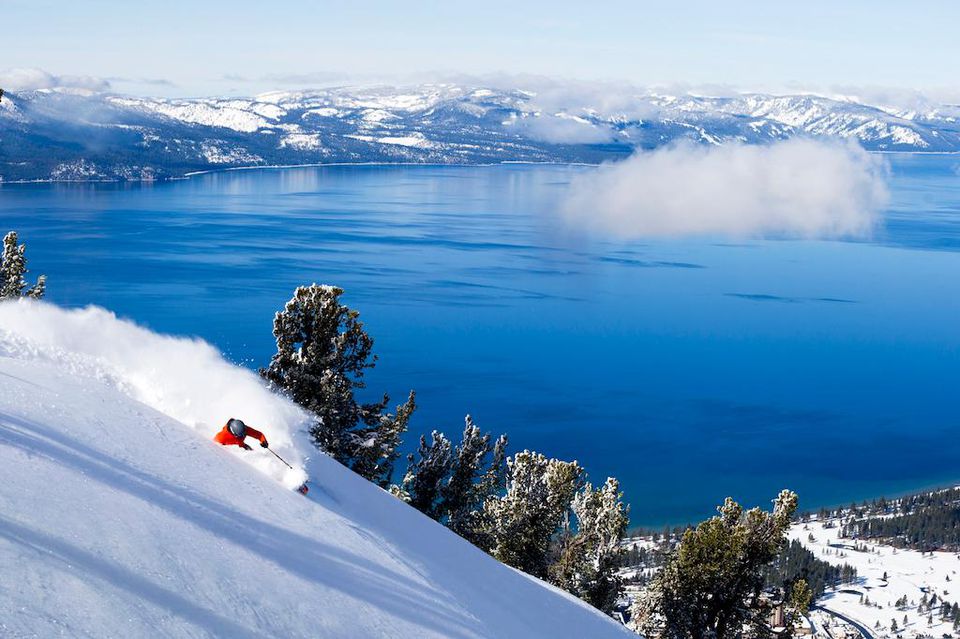
TAHOE BASIN, Calif./Nev. – As the last bit of snow melts on the north and west shores of Lake Tahoe and warmer weather becomes a daily occurrence, so begins the foraging, nest-building and migration of wildlife in the Tahoe Basin.
As the region has seen below average snowpack, the season’s conditions don’t just impact skiers and riders trying to shred on the slopes. An early spring can have direct effects on Tahoe’s wildlife.
For insight, Tahoe Institute for Natural Science (TINS) weighed in on the topic with their years of research, outreach and education in the Tahoe Region. As a member-supported nonprofit organization, TINS aims to promote greater stewardship, appreciation, and understanding of the natural resources of the Tahoe region.
Sarah Hockensmith, Outreach Director at TINS, said, “From a human perspective, we’re thinking about our reservoirs, and we’re thinking about recreation, and ‘Are we going to have a good ski day?’, or ‘Is drinking water going to be available?,’ but what I’m thinking about is, ‘Is the snowpack going to be sufficient for wildlife, and also be sustainable going into the drier seasons to be enough to prevent mega fires and forest fires?'”
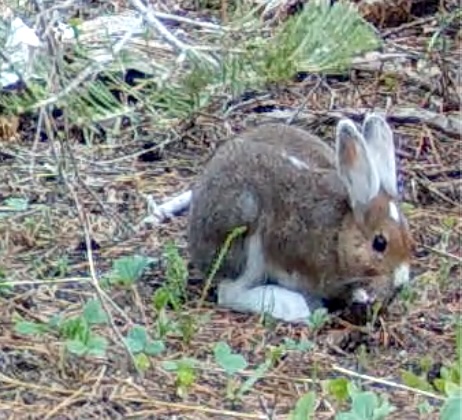
Hockensmith notes there are five different species of animals around Tahoe that are directly affected by this lack of snowpack as it relates to their camouflage. The species include snowshoe hare, white-tailed jackrabbit, white-tailed ptarmigan, and long and short-tailed weasels.
Hormonal changes in these animals trigger them to turn white in winter or brown in winter, but these hormonal changes cannot adjust to the amount of snow on the ground. Instead the timing is hardwired through evolution and triggered by photoperiod, or the duration of daily exposure organisms have to light. If there’s no snow, the camouflage proves to be useless, which can lead to detection from predator or prey, depending on the species.
In addition, Tahoe’s subnivean zone is immediately influenced by snowpack.
“Snowpack is not just for our reservoirs and for our water. Snowpack, for a lot of wildlife, is an insulation,” said Hockensmith. “There’s a whole world underneath our feet, under the snowpack, that is insulated from cold winter conditions. If there isn’t snowpack, there’s a lot more exposure to very cold, harsh temperatures.”
The subnivean zone is the area between the ground and snowpack, serving as a blanket of sorts to certain types of wildlife where they can hide under it to stay warm and hidden from predators. It also provides a place for food storage. With proper amounts of snowpack, the subnivean zone stays around 32 degrees Fahrenheit, despite temperatures dipping lower outside.
If the subnivean zone becomes non-existent due to rapidly melting snowpack, small animals like voles or other small rodents are more vulnerable to things like freezing temperatures and predation.
“One season of this sort of snowpack isn’t going to make this drastic difference, but if we have multiple years like this in a row, it’s going to change things,” Hockensmith said.
Phenology is the study of recurring, climate-driven biological events, things like when plants leaf-out or flower, or when animals emerge, migrate, or breed. Although there are many different variables that impact phenology, TINS is taking into account the sun being a main factor. How many hours of sunlight there is has a ripple effect on nature as the seasons progress, and it is far more consistent year to year than snowpack, but that can create a mismatch.
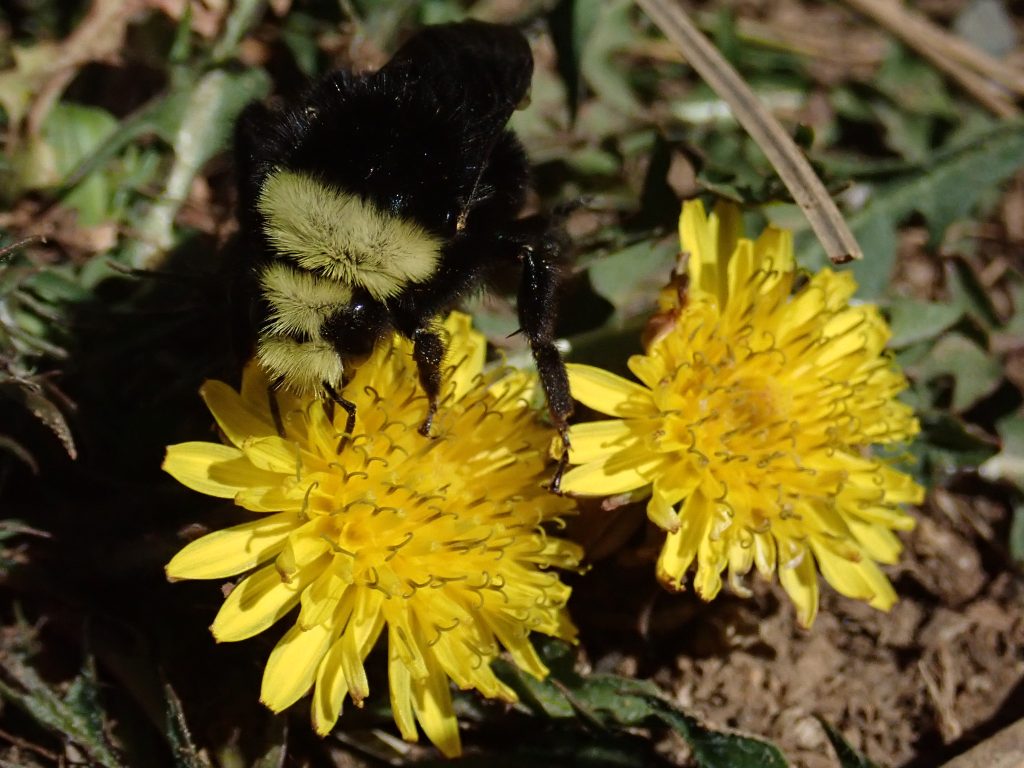
For example, “Right now, flowers are blooming early, right? The animals who are going to pollinate those flowers, such as bees, if it’s sunny and it’s nice, are those bees going to be emerging at the same time that flower is blooming?” said Hockensmith. “That’s what is really going to measure the biological effects of how precipitation, snowpack, or temperature is changing. Those phenological connections, are those going to be synched up, and if not, what are the impacts? We don’t know. It’s going to take time.”
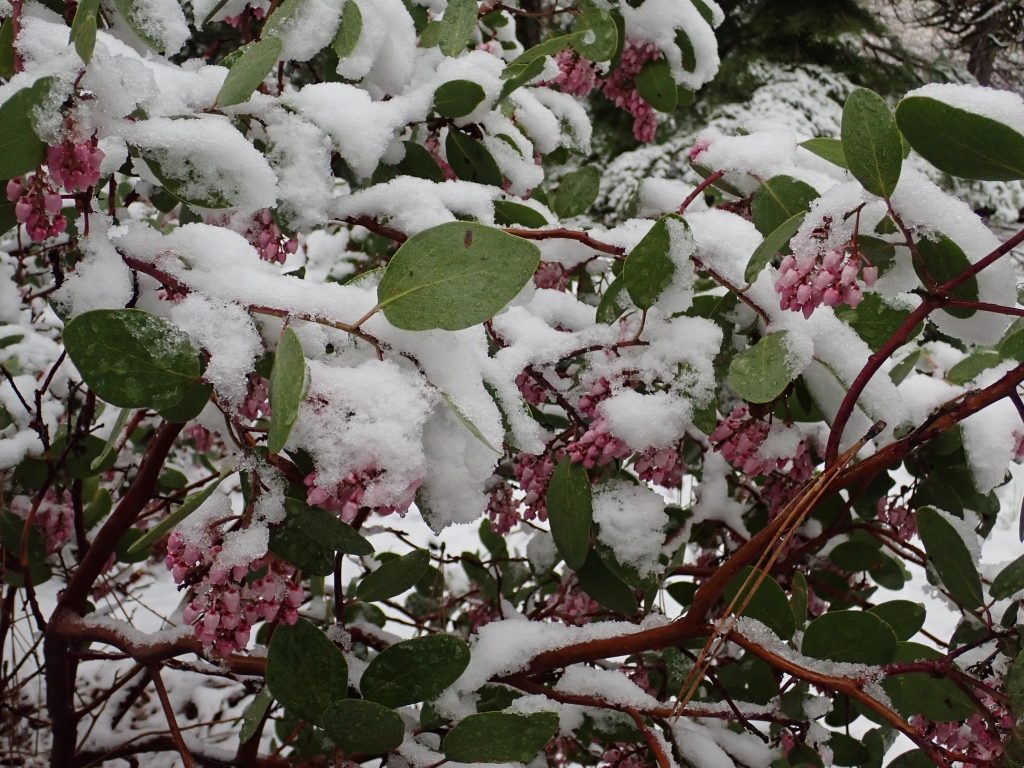
There are many ways for the public to learn more about what the wildlife is up to at any given time. Curious folks can use a website called iNaturalist, a community-based science database. Take a photo of something you see outside on one of your daily walks or out in your yard – it can be of anything, an animal, bug, flower, lichen, etc. Identify when and where you took the photo, upload it and a global community of experts or naturalists will help identify the species in your photo as you actively contribute to the database. The Truckee/Tahoe Region is teeming with species already added to the database.
For bird lovers, there’s also Tahoe Birding, a Facebook page created and hosted by TINS. If you encounter a bird that you’re not sure of the species, take a photo of the bird and upload it to their community forum for a quick identification from others in the group.
“If you’re curious about nature, and you want to be exposed more with someone who really knows what they’re talking about, go on our website. Almost every outing is free and open to the public. You don’t have to be a member,” added Hockensmith. “You could just come on a bird walk or wildflower walk, come to listen to our talks, they’re all free. We want people to have a better understanding of nature so they can take care of it.”
To learn more about Tahoe Institute for Natural Science, visit https://www.tinsweb.org.