
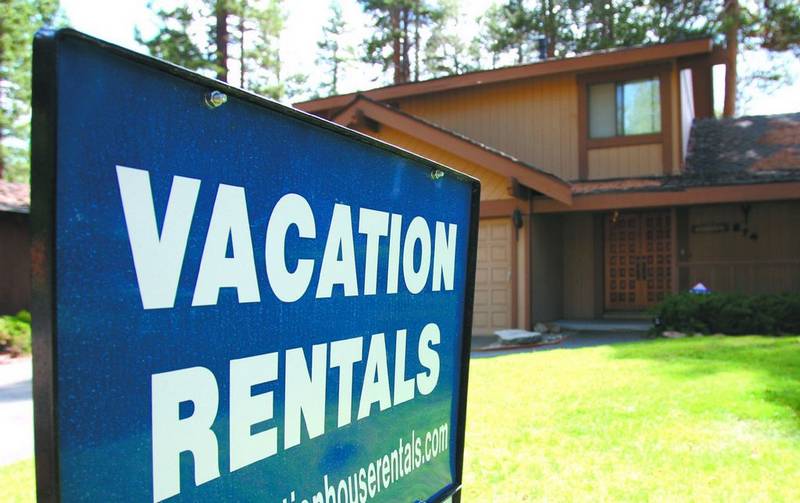
SOUTH LAKE TAHOE, Calif. – It’s no secret that Lake Tahoe is one of the most sought-after destinations in the country – possibly even the world – drawing in around 15 million visitors every year. While you may be working hard to secure a place to stay during your visit, scammers could be working harder at attempting to take your money.
Many fraud-related property incidents occur because scammers steal listings and photos from real estate websites, Airbnb, and other vacation rental resources and pose as the property owner or manager, posting them on websites like Craigslist, and more recently, Facebook Marketplace.
Their prices may even be below market value with the hopes of luring people in. Once they hook an interested renter, they ask for money via Cash App, PayPal, or Venmo.
South Lake Tahoe is especially prone to these scam attempts, which may increase as local property management companies such as LocalVR South Lake Tahoe Property Management navigate through changes in South Lake Tahoe’s vacation rental market.
“With Measure T struck down in 2025 and the new ordinance passed this March 2026, additional short-term rental supply is being introduced to the market,” said Jasmine Slivka, COO of LocalVR.
The new Vacation Home Rental ordinance became effective on April 23, 2026, allowing for the return of short-term rentals with the requirement of permits and operational regulations.
“This is overall a good thing, but it does mean this can boost traveler demand and create more possible ‘scam-like’ scenarios from bad actors,” said Slivka.
Slivka noted that although they have not received any reports of scammers using their properties, that doesn’t mean that it doesn’t happen.
“If LocalVR were to be made aware of a dupe/fraudulent listing, the take-down actions depend on the legitimacy of the platform and their own terms and conditions, if they have any. This can be a very hard job for property managers, big and large, to monitor and enforce,” she added.
According to the South Lake Tahoe Police Department (SLTPD), it seems as though folks are catching on to these sly tricks up a scammer’s sleeve.
“We have not had any VHR (vacation home rental) scams reported to us in 2026,” said Lt. Scott Crivelli with the SLTPD.
No reports could signify precautions are actively being taken by prospective visitors. However, folks are encouraged to stay vigilant.
“Go through Airbnb, VRBO, or a reputable local property management company that you can confirm is real,” Crivelli warned.
Once you’ve sent a payment to a scammer, it becomes nearly impossible for law enforcement to assist in getting your money back.
“The scams can be pretty intricate,” said Crivelli. “A lot of times, it’s based overseas, and it’s a fishing line with nothing on the end of it.”
Legitimate property managers will usually have their own branded website, according to Slivka.
Below are tips from LocalVR to protect your peace of mind and keep your wallet safe:
- Search for company reviews online – Google Business pages, Yelp, TrustPilot
- Ensure the property you are booking also has real guest reviews from previous travelers. Be very cautious of brand new listings with zero reviews. If you are booking on Airbnb/VRBO, you can see if the Host has other “real” properties/listings which can help build trust.
- Review the property manager’s rental agreement before providing payment details or confirming payment.
- Ensure all emails and communications come directly from the Property Management Company brand/domain, and if in doubt, call them directly to verify.
“I would never pay for a rental with Cash App, Venmo, Gift Cards, etc. and only with a credit card and a rental agreement, either through a platform like Airbnb/VRBO, or directly with the property management company. Credit card companies can really help mediate and protect travelers when an agreement is not satisfied,” Slivka said.