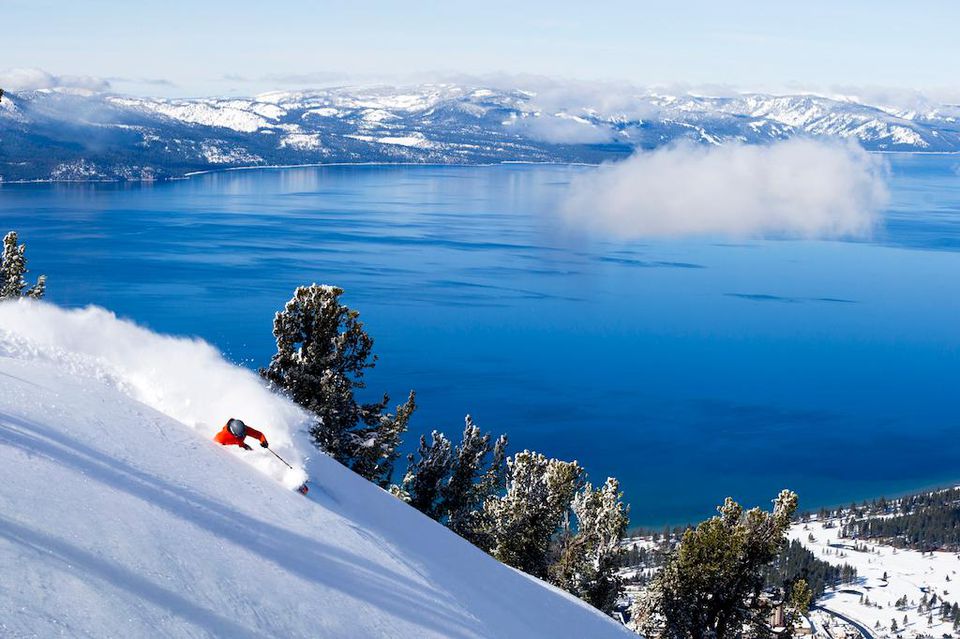
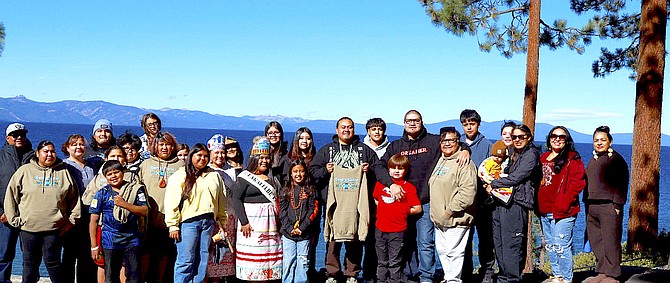
Rooted in the ancestral homelands dá?aw, (Lake Tahoe) of the Waší·šiw people Indigenous youth and advisors came from Arizona, California, and Nevada on Oct. 25-28 for the Keepers of Tomorrow Cultural Exchange & Indigenous Youth Leadership Conference at Zephyr Point Conference Center.
Through the Intergenerational Healing Project’s peer-to-peer cultural exchange model, youth participants engaged in meaningful cultural sharing that celebrated both the common values and unique traditions of their respective Nations, said Project Executive Director Sharon James-Tiger.
Throughout the gathering, participants exchanged handgames, songs, traditional games, regalia, clothing, cultural foods, coming-of-age teachings, and contemporary Indigenous arts.
“These activities fostered a spirit of mutual learning, respect, and cultural pride while strengthening connections among Indigenous youth from diverse communities,” she said.
Additional workshops focused on leadership development and personal well-being. A Mock Tribal Council Meeting presented by Jeanne Mortimer, Esq., introduced participants to tribal governance and decision-making processes, while Domestic Violence Coordinator Angie Martinez facilitated a session on healthy boundaries, prevention of teen dating violence providing tools to support healthy relationships and personal growth.
Participants learned about the history and enduring legacy of Stewart Indian School during a special presentation by Nevada Indian Commission Executive Director Stacey Montooth. The presentation offered valuable historical insight and encouraged reflection on the resilience, strength, and cultural perseverance of Indigenous peoples.
“Through Keepers of Tomorrow, we created a space where Indigenous youth could learn from one another, strengthen their cultural identities, and develop leadership skills,” James-Tiger said. “By investing in our youth today, we are investing in the resilience, wellness, and success of future generations.”
The healing project thanked sponsors, partners, presenters, advisors, volunteers, and supporters whose dedication and contributions made the gathering possible.
“Their collective support helped create a meaningful experience that celebrated Indigenous identity, strengthened community connections, and empowered the next generation of Indigenous leaders,” James-Tiger said.
The Healing Project is planning future opportunities for youth engagement, including a regional Hand Game Tournament and a Sigayuk (Women’s Stick Game) Tournament anticipated in late spring or early summer 2027.
“These gatherings will continue to provide opportunities for cultural learning, leadership development, and relationship building among Indigenous youth throughout the region,” James Tiger said.