
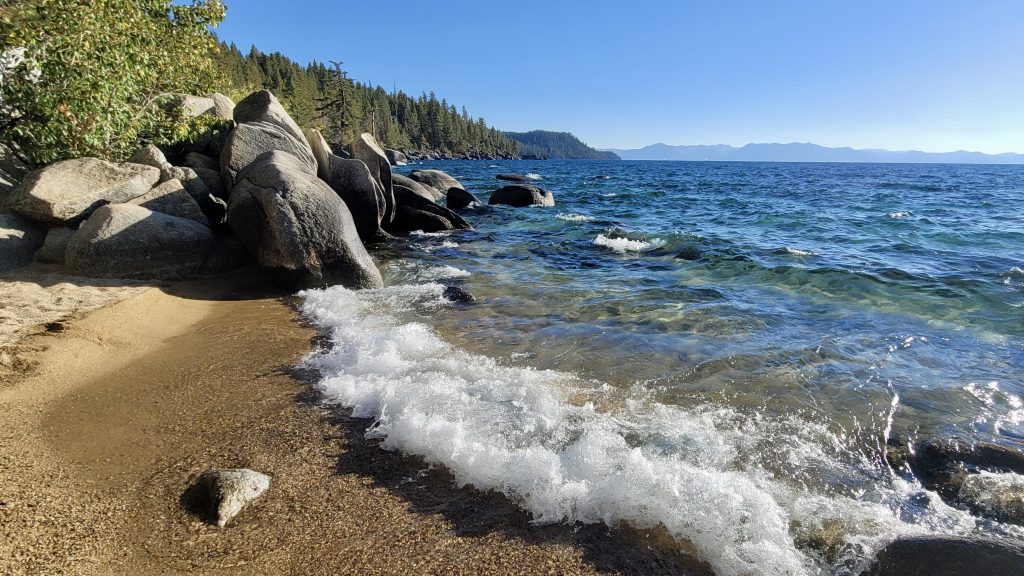
LAKE TAHOE, Calif./Nev. – The pressures of life, whether they come from the struggle to pay your bills, the workload you’re carrying, or while experiencing the negative aspects of things you can’t control, there’s a moment for many where all of that slips away – it’s just you as you are and the nature around you. For those of us living in or visiting Lake Tahoe, that relief can be found just outside the door. “Beyond Awestruck: The Scientific Search for Connection” is a three-part docuseries studying the feeling of awe a person experiences, what invokes that feeling and the benefits imposed. The study’s muse? One-of-a-kind Lake Tahoe.
“Awe and experiences in nature are pivotal to the human experience. They matter for people’s well-being. They matter for people’s social relationships, and here we’re really trying to map out the ways in which experiences of awe and experiences in nature help people solve essential problems in their lives,” said Paul Piff, Ph.D., Associate Professor of Psychology at the University of California, Irvine and leader of the experiment to measure moments of awe.
The 2025 project took approximately nine months, from brainstorming and planning to the completion of filming. Among the very few challenges Dr. Piff and his team faced during the project, he told the Tribune, “Personally, I felt like it was an embarrassment of riches in terms of trying to pick which of the many, many awe-inspiring locations to run studies and film in.”
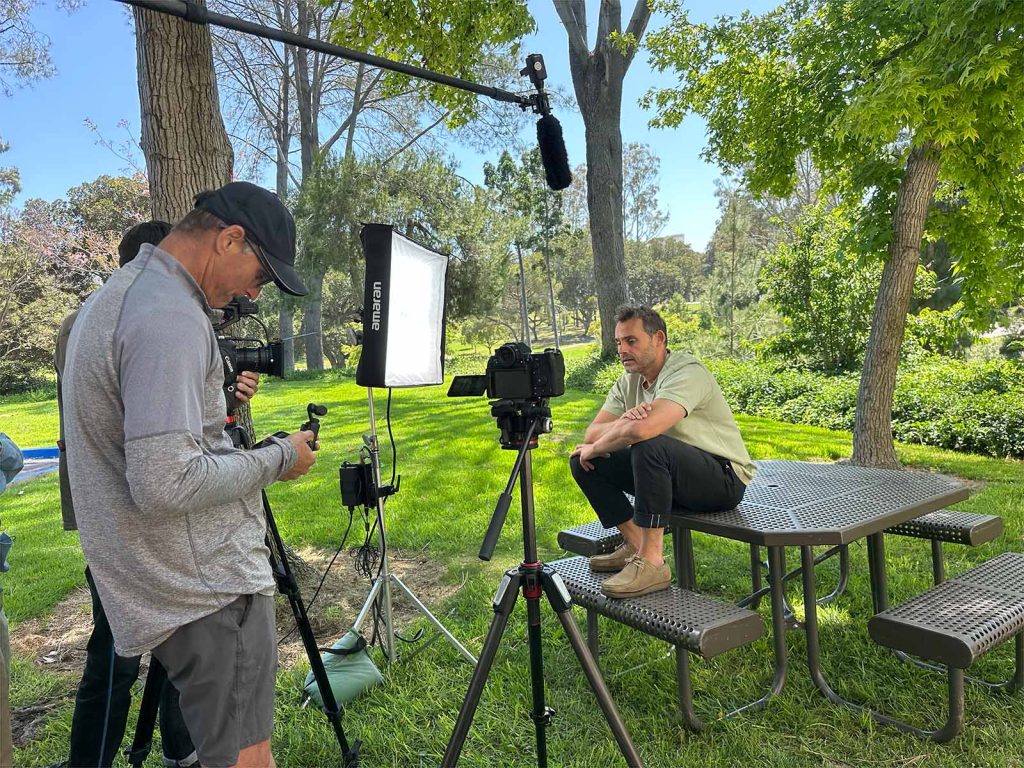
So what is awe and why did Dr. Piff and his team choose Lake Tahoe to study it? Awe can be described as many things – profound reverence, wonder, or inspiration. Lake Tahoe, known for its deeply rich history and its intricate and vast array of nature, seems to possess all the ingredients needed for such a unique research project.
Over the course of seven studies while using what they call the “awe meter”, researchers in “Beyond Awestruck” conduct experiments that test the many impacts awe can have on a human being.
In the series, complex topics are touched on including anxiety, depression, suicide, and spirituality, with live accounts and first-hand experiences from people who used nature as a way to heal. For some, it was Tahoe’s nature that provided relief.
“I met so many folks that shared their love for Tahoe, and the personal impact it has on them,” said Piff. “One couple recounted how, in looking over the entirety of the lake, it reminded them of all the different experiences they’d had around it, in their many decades together. It brought them closer to one another, by virtue of reminding them of all the times they’d shared in and around Tahoe. This really touched me.”
One participant in the study during episode two of the series noted how overwhelming it was to see the forest, the mountains and the lake – all in one view, saying, “It didn’t seem real.” It invokes the question: do locals forget they live in one of the most sought-after places in North America? Do they lose that sense of awe after getting used to the views?
Participants are not only observed hiking, paddleboarding or overlooking the lake on the Heavenly Observation Deck, they’re talking about their experiences, how they feel during those moments, and we get to watch. For locals, we can connect to these familiar places – Inspiration Point in Emerald Bay, Echo Lake, the Tahoe Rim Trail, the Heavenly Gondola, and even some familiar faces, such as Adrian Ballinger, Founder of Alpenglow Expeditions, and some of the faces of the Washoe Tribe.
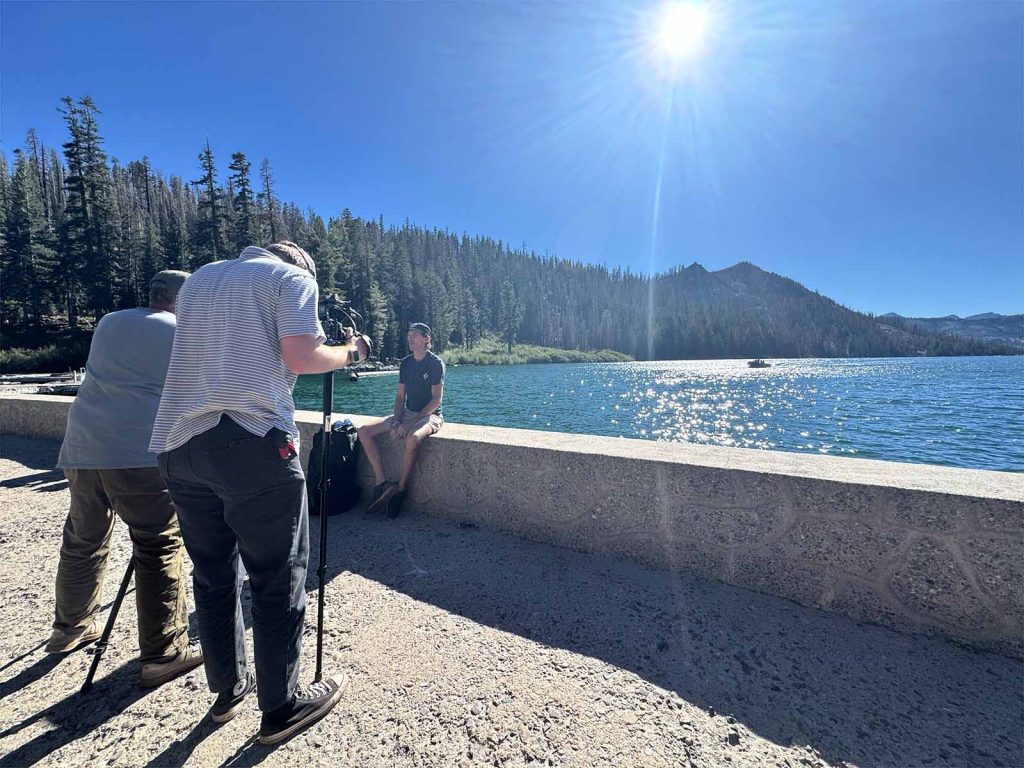
The beauty of the study isn’t just about the singular moments in which awe is felt, it’s also about the longevity in which that feeling curates a beneficial influence on the participant.
Results of the study are profound, showing that experiences of awe in Lake Tahoe led to a 20% boost in environmental stewardship, and a 13% increase in confidence to have meaningful conversations. Over the course of the seven studies, Dr. Piff and his team found that over the span of more than 1000 participants, 34% found an increase of awe observed in and around Lake Tahoe. 33% found an increase in happiness from just two minutes of mindful appreciation of Tahoe.
Dr. Piff notes that the work is still on-going, and plans to return to Tahoe to continue the study will take place in the coming months.
When asked what he hopes the audience takes away from this docuseries, beyond exploring the science of awe and the search for connection, Piff said, “To go out in search of awe, for the betterment of their individual lives and the world around them.”
“Awe can help you find better health, more happiness, stronger relationships, and a deeper connection to the world. And, importantly, awe is relatively easy to find, even in your own backyard if you look for it.”
To watch “Beyond Awestruck: The Scientific Search for Connection”, or to learn more about the research conducted, visit https://visitlaketahoe.com/beyond-awestruck/.