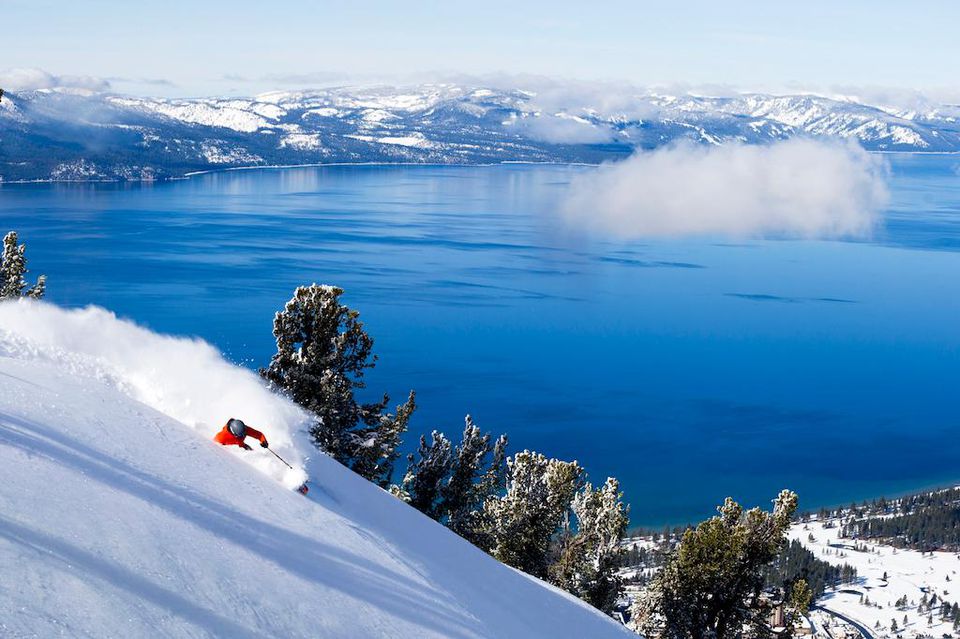
The Lake Tahoe Basin has long been a crown jewel of outdoor recreation in the American West—a place where deep blue water meets forested ridgelines and an expansive trail network invites epic exploration. Now, that network is poised for a meaningful expansion. After years of planning, public input, and careful environmental review, the U.S. Forest Service has approved a sweeping plan to add up to 45 miles of new trail opportunities through the Basin Wide Trails Analysis Project.
More Miles—and More Access
In addition to new trail construction, the project opens up access in a big way: more than 100 miles of existing trails will now allow Class 1 pedal-assist e-bikes. This update, approved by the U.S. Forest Service Lake Tahoe Basin Management Unit (LTBMU), reflects years of study, public input, and coordination with local groups.
For many riders, that’s a game-changer.
Class 1 e-bikes, for the uninitiated, are pedal-assist only, with a top supported speed of 20 mph. No throttle, just a little extra boost to help flatten climbs and extend your ride. They’re now the only type of e-bike permitted on these designated trails—Class 2 (throttle-assisted) and Class 3 (higher-speed pedal assist) remain off-limits, along with other motorized devices.
There are still important boundaries to keep in mind. Iconic backcountry routes like the Pacific Crest Trail, designated wilderness areas, and the Tahoe Rim Trail remain closed to e-bikes. And like other motorized uses, e-bike access follows seasonal closures, typically from November 15 through April 1.
In short: more access, but with thoughtful guardrails.
Not Just More Trails—Better Trails
The newly approved trail opportunities are the result of an extensive environmental assessment process. Every proposed mile was evaluated for sustainability, user experience, and environmental impact.
The goal isn’t just to add trails—it’s to improve how the entire system works. That means creating better connections between existing routes, offering a wider range of experiences, and helping spread out trail traffic to reduce congestion and wear.
If you’ve ever found yourself stuck in a mid-summer trail bottleneck, you can appreciate the value of that.
By dispersing use and building trails designed to last, the project aims to protect the very landscapes that make Lake Tahoe such a special place to recreate.
So… When Can You Ride Them?
Here’s the catch: approval doesn’t mean instant singletrack.
Each new trail segment still has to go through final design, environmental clearances, funding, and construction planning before it becomes reality. It’s a detailed, often lengthy process—but it ensures that when trails are built, they’re built right.
The same goes for e-bike access. The Motor Vehicle Use Map from the U.S. Forest Service will show which trails are open, providing a clear guide for riders heading into the season.
So while you might not see brand-new trails pop up overnight, change is very much underway.
Meet the Crew Behind the Trails
While this project is led and overseen by the LTBMU, many stakeholders across land managers, non-profits, and government agencies will be part of bringing this plan to life. That includes the Tahoe Area Mountain Biking Association (TAMBA), one group that knows how to turn plans into trails.
TAMBA has been at the heart of Tahoe’s trail scene for decades, working alongside land managers to design, build, and maintain trails throughout the Basin. But our work doesn’t stop at trail construction and maintenance. TAMBA organizes volunteer trail days and community events, secures funding, coordinates with local partners, and prepares the trail system for changes like this one—think updated signage, rider education, and ongoing stewardship.
If you’ve ever ridden a well-built stretch of Tahoe singletrack, chances are TAMBA had a hand in it.
A New Season, A New Chapter
As the dirt dries and the days grow longer, this summer marks the beginning of a new chapter for Tahoe’s trail network. New trail opportunities are on the horizon, and expanded e-bike access is set to bring more riders into the fold.
With that comes a shared responsibility.
Whether you’re riding analog or with a little pedal assist, trail etiquette still rules the day: yield appropriately, ride in control, and respect other users. A little kindness goes a long way in keeping Tahoe’s trail culture as welcoming as ever.
Be Part of It
The best part about Tahoe’s trails? They don’t just belong to the community—they’re built by it.
If you’re excited about what’s ahead, there are plenty of ways to get involved. Support TAMBA by visiting our website to stay up-to-date on new projects and developments. Sign up for a volunteer trail work day and help shape the next mile of singletrack. Swing by a community event to connect with fellow riders, or consider becoming a member or donor to support the work happening behind the scenes.
Because Tahoe trails don’t build or maintain themselves—they’re built, cared for, and protected by people who love this place. And there’s always room for one more set of hands.
Editor’s note: This article originally appeared in the Summer 2026 edition of the Tahoe Bike and Recreation Guide.