LAKE TAHOE, Calif. / Nev. — It’s not every day that a small mountain community in the Sierra Nevada helps shape environmental conservation efforts on the other side of the world.
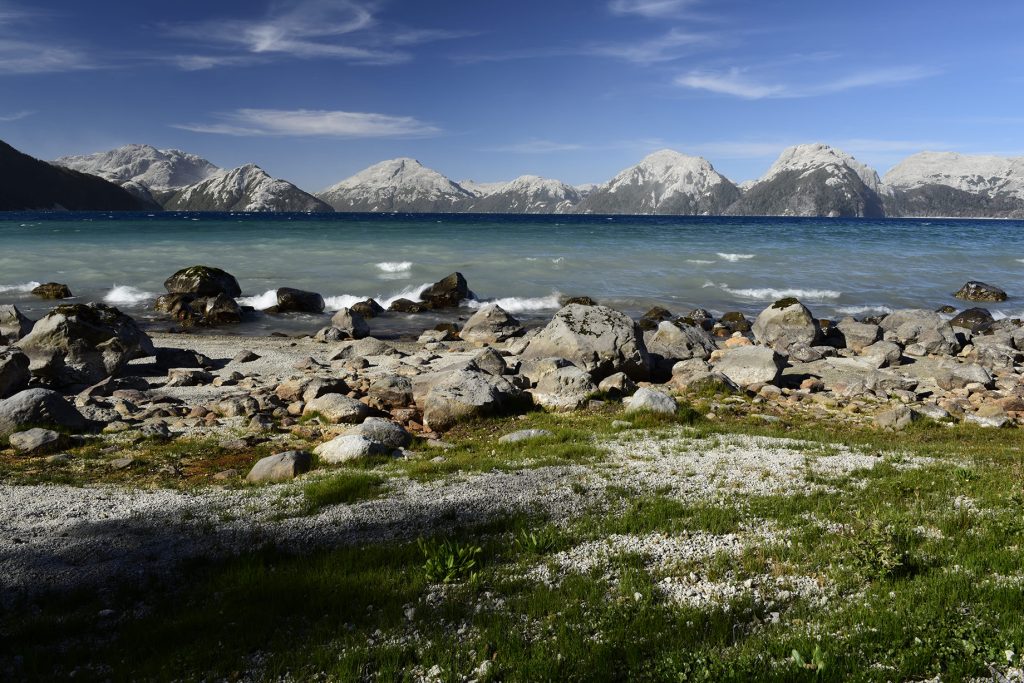
But that’s exactly what happened when three Chilean conservationists began searching for a model to protect their country’s rapidly changing lake region.
When Fernando Coz, Angela Delorenzo and Cristóbal Valenzuela recognized the need for an organization that could preserve Chile’s lakes while balancing tourism, agriculture, economic development and the needs of local communities, they looked far beyond South America for inspiration.
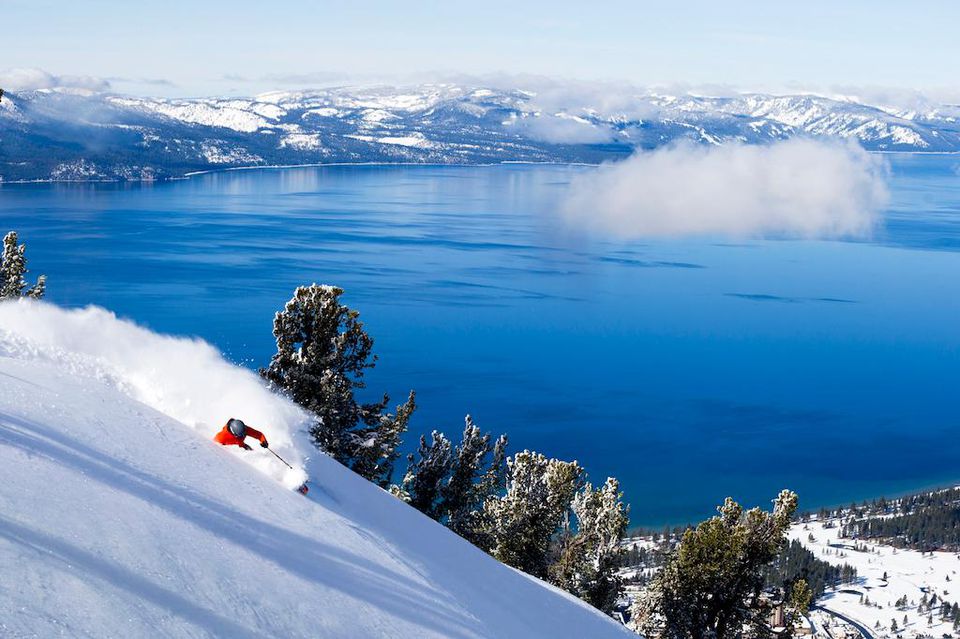
Their search led them to Lake Tahoe.
For nearly 70 years, Keep Tahoe Blue has worked to protect and restore the Lake Tahoe Basin while navigating the challenges that come with tourism, population growth and development. To the Chilean team, Keep Tahoe Blue represented a successful example of how environmental stewardship and economic vitality could coexist.
“In 2017, we came to Tahoe to understand the model,” Coz said. “We wanted to learn how the region had been able to balance development and conservation.”
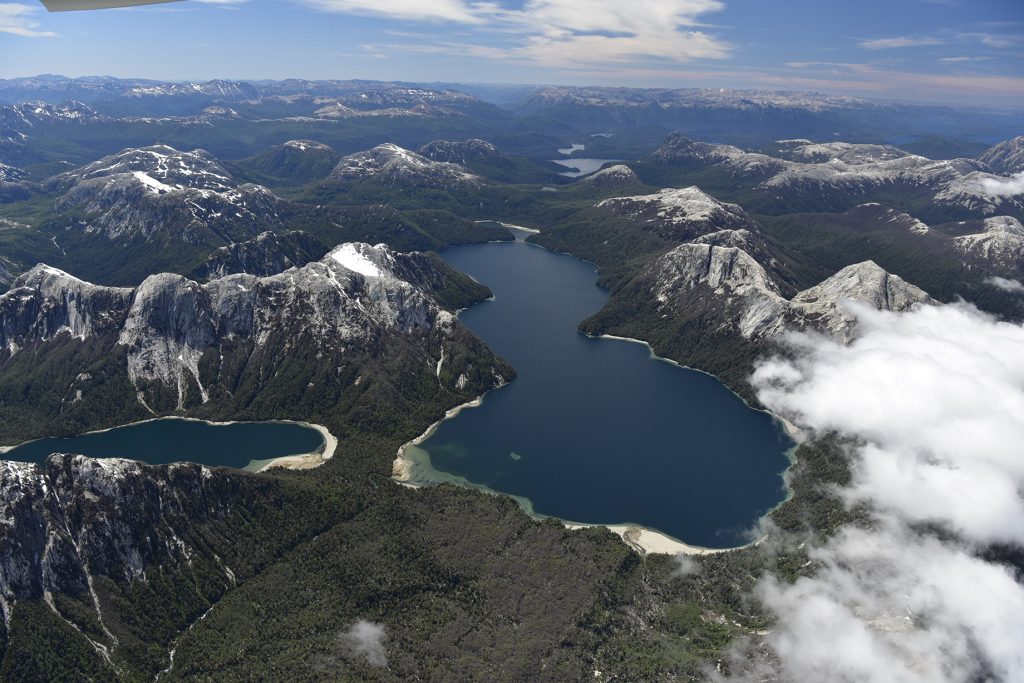
The following year, they invited a delegation of Tahoe experts to Chile. Representatives from Keep Tahoe Blue, the Tahoe Regional Planning Agency and the University of California, Davis Tahoe Environmental Research Center traveled to the Northern Patagonia Lakes region to help local leaders develop a long-term conservation strategy.
That same year, Chile Lagos Limpios was founded, an international nonprofit focused on conservation, sustainable development and climate resilience throughout Chile’s Northern Patagonia lake region.
Eight years later, the partnership remains active.
Today, Keep Tahoe Blue serves on the board of directors for Chile Lagos Limpios, and the partnership continues to evolve through shared expertise and joint conservation projects.
One such project is a water clarity monitoring program at Lake Pehoé in Torres del Paine National Park. Together, the organizations trained staff at Explora Patagonia to collect water quality data through a community science initiative, creating a long-term dataset while fostering stewardship among employees and visitors.
While Tahoe provided an initial blueprint, Coz said the relationship has become a two-way exchange.
“There is a lot that we can learn from Tahoe, and there is a lot that Tahoe can learn from us,” he said.

Rather than simply exporting one conservation model to another country, the organizations have adapted ideas to fit the unique environmental, cultural and economic realities of each region. For Coz, the partnership demonstrates that many of today’s environmental challenges require international cooperation.
“While Tahoe has seven decades of lake conservation experience to share, there is plenty we are learning from Nano and our colleagues at Chile Lagos Limpios too — lessons we can put to use here in Tahoe,” said Keep Tahoe Blue CEO Darcie Goodman Collins, PhD. “That includes how to work with unlikely partners to advance our conservation goals.
As climate change and development continue to place pressure on freshwater ecosystems around the world, Coz believes partnerships like the one between Lake Tahoe and Patagonia offer a blueprint for tackling complex environmental issues together.
“When people in Tahoe read this, I hope they get excited to come to Chile,” he said. “I hope they see the work we’ve been doing, the similarities to Tahoe, and understand that long-term conservation efforts across borders are the way forward.”