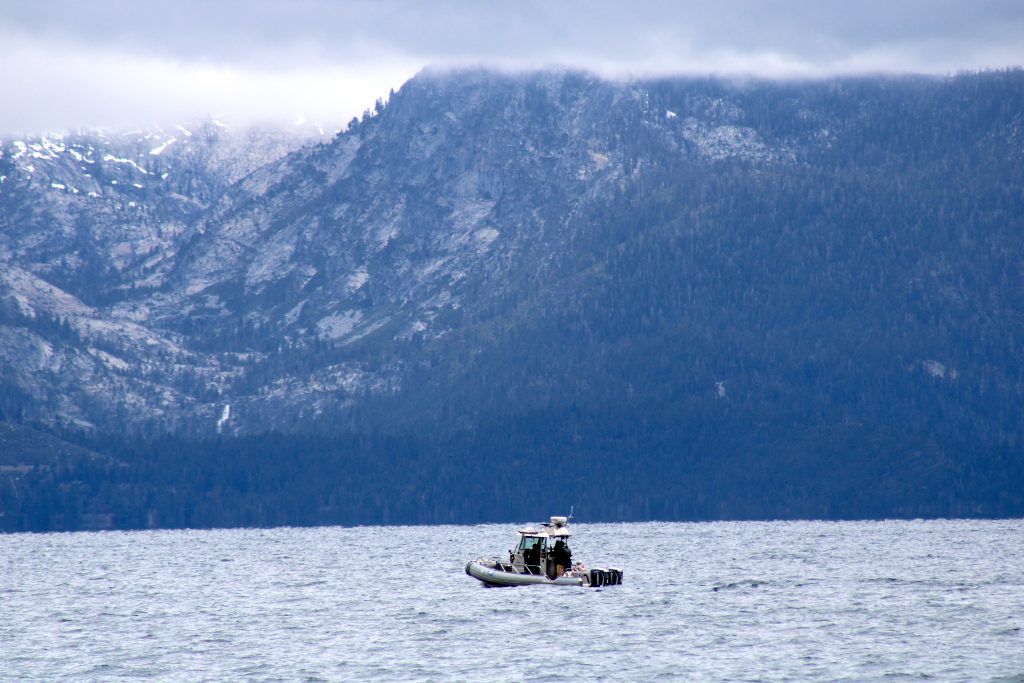
GLENBROOK, Nev. – On Friday, May 29, the Nevada Department of Wildlife (NDOW) and Nevada State Parks gathered at Cave Rock State Park to talk about cold water shock awareness and boating safety as Lake Tahoe gears up for another busy season of water recreation.
“We’re out here because we want to make sure the public is aware of the dangers of cold water shock,” said Ashley Zeme, Boating Education Coordinator at NDOW.
The glacial waters of Lake Tahoe stay between 40 degrees and 70 degrees, depending on the season. In the shallows, you’ll find warmer temperatures in peak summer months, but out towards the middle of the lake, water temperatures can stay dangerously cold.
“People are excited to get out on the water this summer,” Zeme said. “Our issue is, outside temperatures can be deceiving. It could be a hot, sunny day, but our water is going to remain cold, and that’s where cold water shock comes into play.”
Zeme explained that your body can experience cold water shock in temperatures from 50 degrees to 60 degrees, sometimes even up to 77 degrees if you’re in the water for extended periods of time.
Cold water shock and life jacket safety
To stay alert, NDOW recommends using the 1-10-1 rule to break down the stages of cold water shock.
Phase 1: 1 minute (cold shock)
Your body’s initial natural reaction to cold water is a gasp reflex. You have about 60 seconds to overcome that reflex.
“What happens when you’re out on the water and you fall into the water,” said Zeme. “You’re going to be under water and inhaling water. Sometimes, in that first minute, people don’t resurface from the water. That’s where a life jacket is key.”
Wearing a life jacket allows you to resurface from the water within that first minute to get your breathing under control. “Try your best not to panic,” Zeme added.
Phase 2: 10 minutes (cold incapacitation)
Over the next 10 minutes of cold water exposure, you will start to lose effective use of fingers, arms and legs for meaningful movement, meaning your body will lose its ability to swim within these critical minutes. Without a life jacket, drowning is likely.
“This is the phase a lot of people think they’re immune to if they’re a strong swimmer,” Zeme warned.
Self rescue should be your next task – whether that’s finding your life jacket or getting back on whatever vessel you fell from.
Phase 3: 1 hour (hypothermia)
You will have about 60 minutes before losing consciousness due to hypothermia, provided you keep your head above water.
“That’s why we can not stress the importance of wearing your life jacket enough,” Zeme said.
In the fatal capsized boating incident which took place June 21, 2025 outside of Emerald Bay on the California side of Lake Tahoe, all eight deceased passengers were not wearing life jackets.
According to the U.S. Coast Guard’s recreational boating statistics, 76% of fatal boating incident victims drowned. 87% of those victims were not wearing a life jacket.
In both Nevada and California, it is state law to have the same number of life jackets aboard your vessel as there are souls on board, including a kayak or paddleboard. Children under 13 must wear a life jacket at all times.
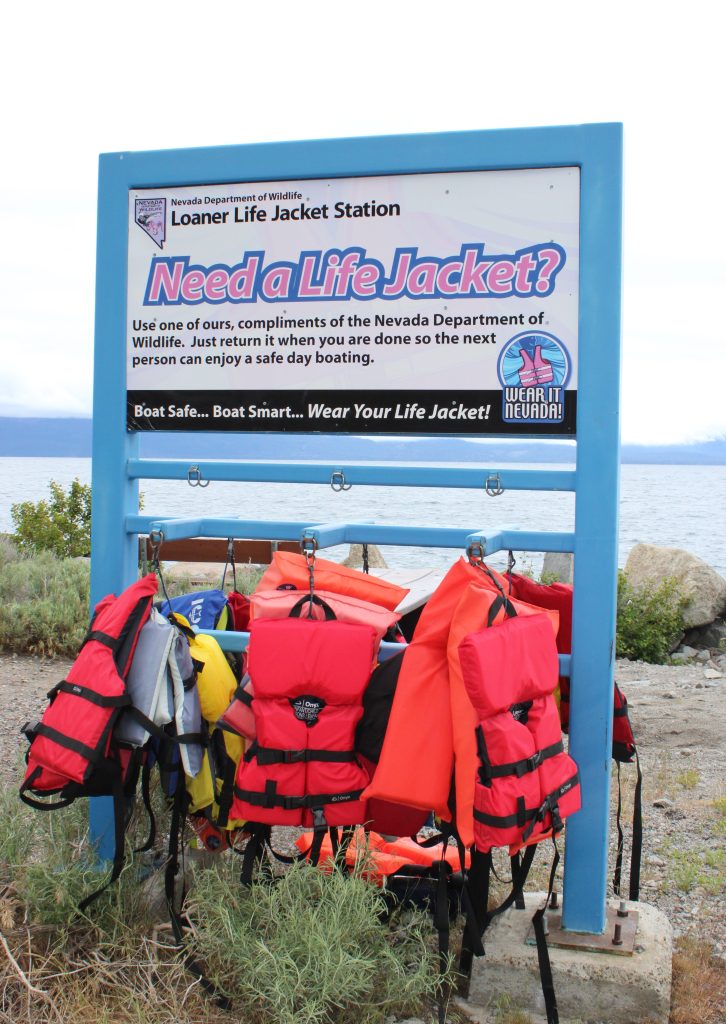
NDOW has life jacket loaner stations across popular boating and paddling locations throughout the state of Nevada, including Cave Rock and Sand Harbor State Parks.
Boating safety and education
Boating education remains a top recommendation for all boaters. NDOW notes that nearly 80% of all boating deaths occurred on boats where the boating operator had never received boating education.
If you’re born after January 1, 1983, and you’re operating a motorboat of more than 15 horsepower on interstate waters like Lake Tahoe, you are required to have boating education in Nevada.
All motorized vessel operators are required to complete a boating safety course and obtain a California Boater Card in the state of California.
The involvement of alcohol and drugs make up one-third of all recreational boating deaths. In addition to excess alcohol-induced dehydration, slips and falls, along with impaired vision and motor skills can lead to dangerous accidents out on the water.
“Penalties are very similar to that of a DUI,” said Zeme. There are strict Coast Guard enforcements, along with both Nevada and California laws that could result in fines, jail time and vessel impoundments.
“That is one of our big issues, especially as we get farther into the summer, is people being out, having fun on their boats. They think one drink isn’t going to do anything, but it’s going to go a lot farther than it would on land.”
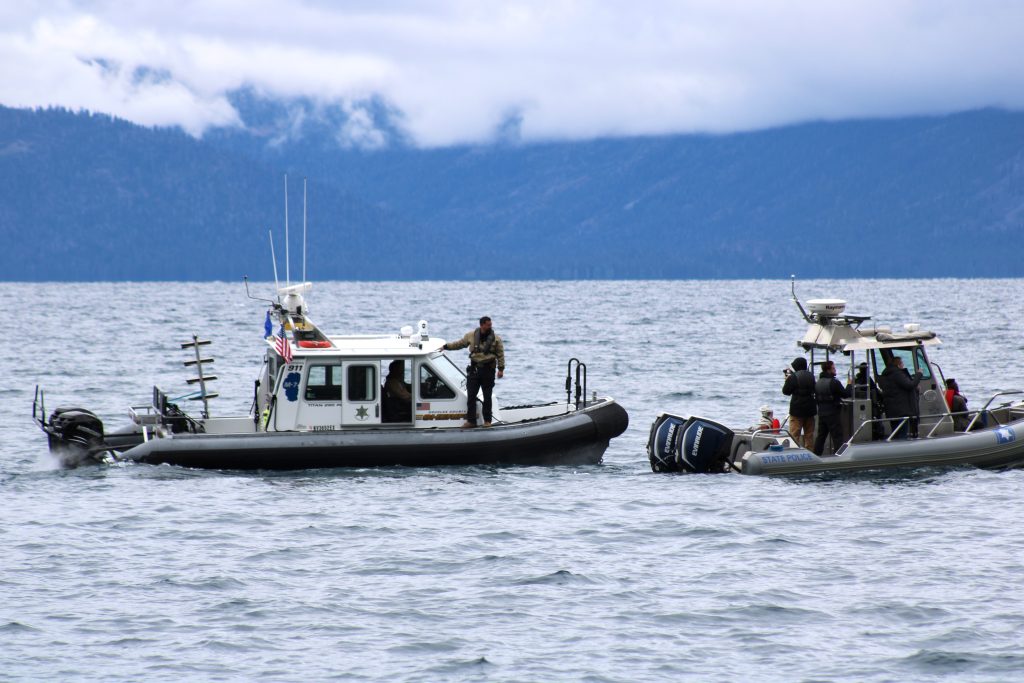
In addition to NDOW, California and Nevada State Parks monitor the waters, along with localized patrols that are carried out by El Dorado County, Placer County, Douglas County and Washoe County Sheriffs’. The U.S. Coast Guard maintains overall federal maritime jurisdiction.
“Nevada State Parks has lifeguards on staff at Sand Harbor. We also have park rangers that are certified boaters, so if other agencies do request assistance on the water, we’ll definitely do what we can to go out there and assist in any way we can,” said Tyler Kerver, Education and Information Officer with Nevada State Parks.
Kerver also notes the majority of life guard situations at Sand Harbor occur due to rock jumping. People are at risk of injury if they jump from rocks without knowing how deep the water is.
All in all, Lake Tahoe is a highly sought-after wonder of the world. By staying alert, educated and prepared, you can have the time of your life on its waters.
To learn more about the Nevada Department of Wildlife, along with boat registration and titling information in Nevada, visit https://www.ndow.org.
Information on Nevada State Parks can be found at https://parks.nv.gov.