If you didn’t get a chance to download the Tahoe Tap podcast, don’t worry. We have you covered. Here’s a recap of the interview portion of the podcast.
Lake Tahoe may look much the same as it did decades ago, but according to Tahoe Regional Planning Agency Executive Director Julie Regan, the issues facing the basin have evolved dramatically.
Appearing on the Tahoe Tap Podcast, Regan reflected on more than 30 years living in Tahoe and over two decades with the TRPA, discussing everything from wildfire risk and transportation to affordable housing and the future of Lake Tahoe’s famed clarity.
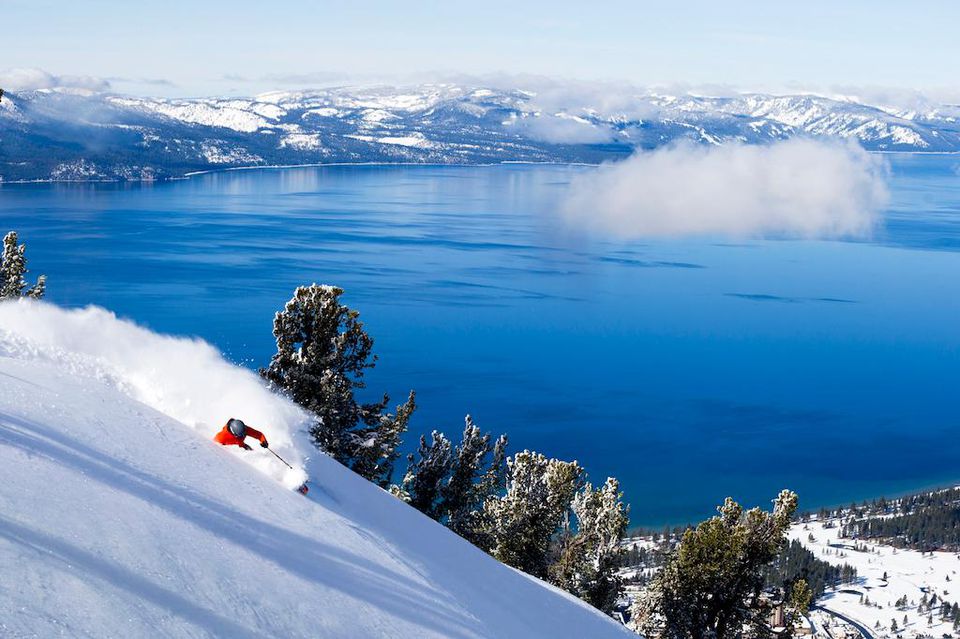
“The one thing that has not changed is our community’s love for this lake,” Regan said. “To be able to look out and see Lake Tahoe every single day – it takes your breath away, no matter how long you’ve been here.”
While the beauty remains constant, she says the challenges have grown more complex.
A Different Tahoe Than Two Decades Ago
Since joining the TRPA in 2003, Regan has watched the basin transform.
Housing affordability has become one of the region’s most pressing issues. Visitor habits have shifted from casino-focused vacations to outdoor recreation, placing new demands on roads, trails and public lands. At the same time, climate change has intensified wildfire threats, ushering in an era of “mega-fires” unlike anything Tahoe experienced decades ago.
Despite those challenges, Regan pointed to nearly $3 billion in environmental restoration and community investment since the late 1990s as evidence of the region’s long-term commitment to protecting the lake.
“We’ve put tremendous investment into restoring the lake, our forests and our communities,” she said.
Redevelopment Instead of Expansion
Large redevelopment projects continue to reshape communities around the lake, from Barton Hospital and Edgewood to the Cal Neva redevelopment, Homewood Mountain Resort and other high-profile proposals.
Regan emphasized that TRPA’s role has evolved into one of collaboration rather than simply regulation.
“Our job is often to help facilitate projects between multiple agencies,” she explained. “Nobody does everything in Lake Tahoe.”
She also noted that many approved projects have taken years (even decades) to materialize because of financing challenges rather than regulatory hurdles.
Meanwhile, smaller redevelopment efforts have quietly transformed communities around the basin, citing projects such as the Crossings at Tahoe Valley, Natural Grocers in Incline Village, the Tahoe Blue Event Center and numerous business renovations.
“We’re not building sprawling new subdivisions,” Regan said. “We’re fixing what we already have while improving environmental conditions.”
Transportation Vision Extends Beyond Roads
Transportation remains one of Tahoe’s biggest challenges, but Regan believes the region finally has momentum.
She highlighted the new Spooner Mobility Hub, which will combine a permanent aquatic invasive species inspection station, park-and-ride facilities, trail connections and expanded transit service along the East Shore.
The project, funded through a combination of federal, state, local, and private dollars, represents what Regan calls the “Tahoe way” of collaboration.
More broadly, she pointed to TRPA’s long-range “Connections 2050” transportation plan, which envisions seamless travel throughout the basin.
That vision includes:
- Expanded transit between North and South Lake Tahoe
- Additional bike and pedestrian trails
- Connected mobility hubs
- Improved town centers
- Potential future waterborne transit across the lake
“We want people to be able to park their car when they arrive and not need it for the rest of their visit,” Regan said.
Funding remains the largest obstacle. Regan acknowledged ongoing discussions surrounding potential basin entry fees but said no single solution exists.
“We want everyone to be able to enjoy Tahoe,” she said. “The challenge is finding sustainable funding without making Tahoe inaccessible.”
The Lake Comes First
When asked which issue she would solve instantly if given the chance, Regan didn’t hesitate.
“The lake,” she said. “It’s always the lake.”
Her goal remains restoring Lake Tahoe’s legendary 100-foot clarity.
Today, annual average clarity hovers around 70 feet, far below historic levels but significantly improved from the steep declines seen decades ago.
Scientists had hoped clarity would already be improving toward an interim goal of 80 feet, but recent progress has stalled.
Researchers are now examining whether warming water temperatures, climate change and new forms of algae are slowing recovery despite decades of restoration work.
“We’re holding our own,” Regan said. “But we want to figure out what’s preventing us from getting back to that 100-foot goal.”
She stressed that lake clarity remains the central benchmark because improvements to transportation, forest health and watershed restoration all contribute to cleaner water.
Two Threats Keep Her Up at Night
Asked about Tahoe’s greatest environmental threats today, Regan named two. Catastrophic wildfire and aquatic invasive species.
The recent spread of golden mussels in California’s Delta has heightened concern among resource managers because the species can hitchhike on boats, kayaks, paddleboards, and even children’s water toys. Unlike other invasive species, once established they are virtually impossible to eradicate.
“The best thing we can do is keep them out,” Regan said.
She praised Tahoe’s nationally recognized watercraft inspection program while warning that warming lake temperatures could make Tahoe increasingly vulnerable to invasive species in the future.
Tackling Tahoe’s Housing Crisis
Housing affordability continues to rank among TRPA’s top priorities.
Regan discussed the agency’s ongoing “Tahoe Living” initiative, which is evaluating policy changes designed to encourage workforce housing throughout the basin.
Potential reforms include:
- More accessory dwelling units
- Increased duplexes, triplexes and fourplexes
- Incentives for year-round rentals
- Better connections between housing and public transportation
“We need to shift the market toward smaller homes that local working families can actually afford,” she said.
TRPA expects its governing board to consider policy recommendations next year following completion of environmental review.
Looking Toward the 30th Tahoe Summit
This August marks the 30th annual Lake Tahoe Summit, a milestone that holds special meaning for Regan. She attended the inaugural summit in 1997 as a young reporter covering President Bill Clinton’s visit – a moment she credits with shaping her career.
“It changed my life,” she recalled. “Seeing everyone come together around a common purpose to protect Lake Tahoe was incredibly inspiring.”
Nearly three decades later, Regan says the annual gathering continues to unite federal, state, tribal and local leaders around a shared mission.
“It’s never one and done,” she said. “Protecting Lake Tahoe requires sustained commitment, sustained investment and continued collaboration.”
As the basin confronts increasingly complex environmental and community challenges, Regan remains optimistic.
“I feel like the stars are aligning,” she said. “We have the partnerships, we have the vision, and we have more political will than ever before. There’s still a lot of work to do, but I’m bullish about Lake Tahoe’s future.”