
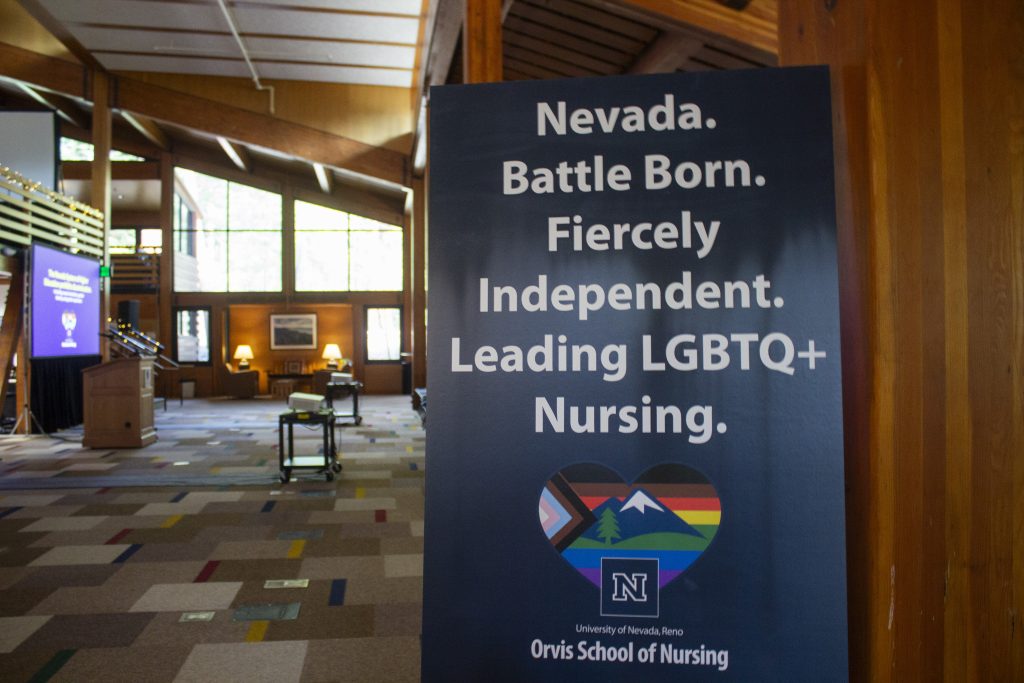
INCLINE VILLAGE, Nev. – The University of Nevada, Reno’s (UNR) Orvis School of Nursing hosted the third LGBTQ+ nursing summit at the Lake Tahoe campus, focusing on direct actions through policy, education, research and practice that could improve healthcare for the queer community.
According to a report from The Fenway Institute, LGBTQ+ health has suffered significantly under the current administration. $125 million in LGBTQ+ health funding was slashed from the National Institutes of Health (NIH) and there has been direction to prohibit gender-affirming care for minors and adults. Cuts to Medicaid have also hurt LGBTQ+ adults, who are twice as likely to have Medicaid as their primary insurance than non-LGBTQ+ people.
Nurses, who often work on the ground with patients in all communities, are primed to see these inequities and address them if given the chance—such as at the LGBTQ+ Nursing Summit, which was supported by the Josiah Macy Jr. Foundation.
The summit was been hosted at Columbia University in 2019 and the University of Iowa in 2025 (after a pause due to COVID-19), but it felt particularly special for it to be hosted in Nevada, which has enshrined the rights of LGBTQ+ people and gender-affirming care for minors in the past.
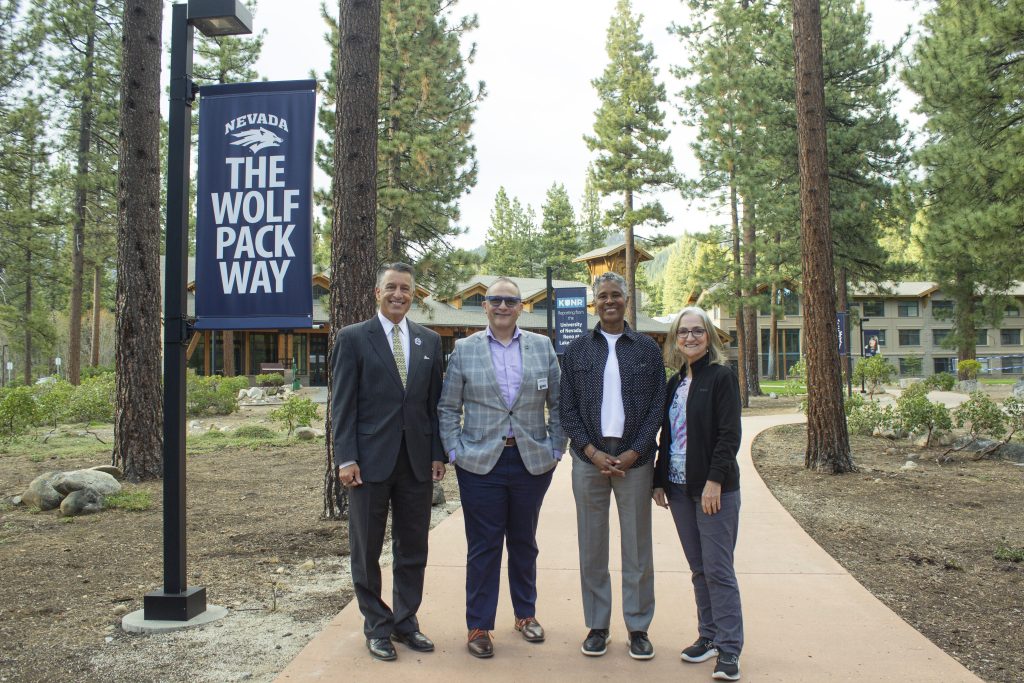
UNR President Brian Sandoval, who previously served as Nevada’s governor, signed legislation that enshrined the Equal Rights Amendment and gender-affirming care, including for minors, in Nevada. Sandoval praised the summit’s gathering saying that “We are coming together at a moment that is pressing and consequential… and this is how meaningful progress happens.”
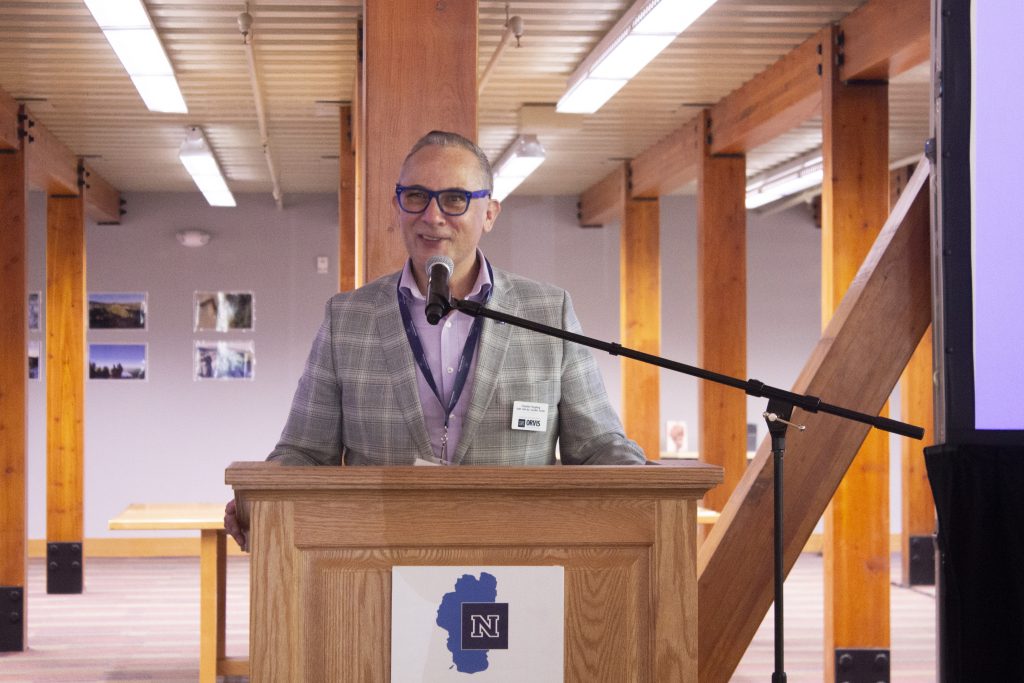
Charlie Yingling, Dean of the Orvis School of Nursing, was equally proud of the summit happening at the Lake Tahoe campus, which will be opening applications for a rural nursing program later this year. Yingling previously attended the LGBTQ+ nursing summits as a participant and dean, but pitched the idea of holding the summit at UNR.
“At this moment in time, it’s important for people working with marginalized communities to come together to sustain one another and support one another, especially because many participants are coming from states where work like this is at high risk,” said Yingling. “It is our job as nurses to advocate not just for patients, but for communities we work with, and this is a form of collective advocacy.”
Tonda Hughes, associate dean for global health research at the University of Columbia, was the origin point for the LGBTQ+ Nursing Summit. She is known for her research on lesbian populations and alcohol use, which she says she began conducting at a time where there was very little academic or monetary support for the work.
“This is what the personal is political means,” said Hughes to the participants. She noted that her work had evolved from a time where she was discouraged from researching queer communities, so there were lessons to learn from times when institutions show little support for LGBTQ+ people.
Hughes told the Tribune that there has been a long history of queer people in nursing—one significant example are the lesbian nurses who took care of gay patients during the HIV/AIDS crisis (which is why the LGBTQ+ community moved lesbians to the front of the acronym.) “Nursing can still be somewhat conservative, but this is one way to build this collective effort, and we’ve made a lot of progress.”
Hughes was nominated for the inaugural Sigma/DAISY Nurse Scientist Leadership award, which she said is proof that things can and will change in the field.
This year’s summit focused on deliverable actions and continuing the work, a change from the previous years—and a welcome one. The participants formed groups around the four pillars of policy, education, research and practice and created projects that could be executed in the current challenging times.
Of the 46 participants in the summit, several of them work in the Northern Nevada region, including Lisa Thomas, Jasen Brooks and two UNR undergraduates.
“So much of this work happens in a silo and so much of it is pushed under the rug,” said Thomas, who works as an associate professor at UNR. Her research has recently focused on mental health at the college-level, where LGBTQ+ populations tend to fare worse than their straight and cisgender counterparts. “Having all these minds together who are passionate about this kind of work can produce amazing outcomes.”
Brooks, who is the director of identity and cultural engagement at Orvis and chair of the queer organization QLAB on campus, focused on education around LGBTQ+ health for nurses, which has been lacking in the past. “Education is the root of everything we do in healthcare. Our job is not just to transmit information to nurses, but also to patients—often when they’re sick,” said Brooks. “Our community, along with other marginalized ones, are massively underserved and in a challenging political and social climate, it is our job to make sustainable changes to improve healthcare for all people.”
Brooks also mentored and taught two undergraduate students who attended the summit. “They are the representation of what the future can be and an amazing beacon of what can happen.” Brayson Gomez and Hope Crockell both expressed their excitement to be part of a summit that could enable changes, as well as supported and uplifted their identities. The two previously presented on LGBTQ+ healthcare in behavioral health and HIV care and plan to work in the Reno area after they graduate this spring.
Phoenix Matthews, one of the speakers at the summit, has observed the field of LGBTQ+ healthcare growing, just as Hughes has. But their work has been jeopardized by federal administration cuts. “It has been such a hit to what was a solid area of research,” they said. “To be see that be jeopardized in such a short amount of time by the current administration shows why it’s important to come to these.”
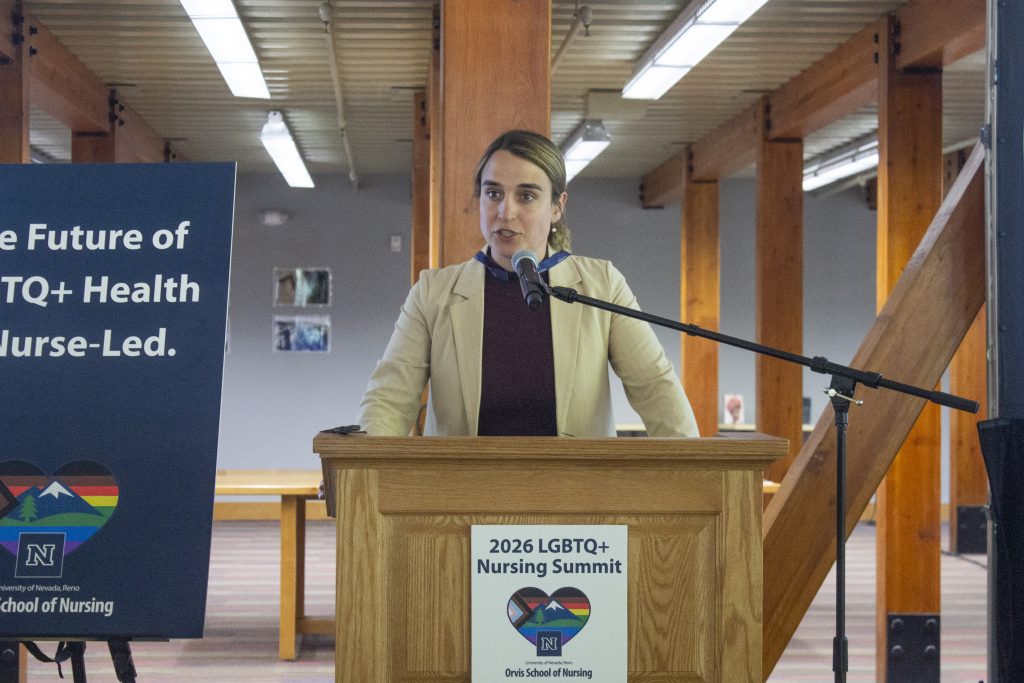
Last year’s summit included a lot of commiseration on the uncertainty of the field, especially with major slashes to budgets and a crackdown on Diversity, Equity and Inclusion policies and language. However, Dallas Ducar of the Fenway Institute spoke on the current state of policy and what could be done. “State level advocacy matters the most right now.”
Ducar gave examples of how nursing groups have a voice in the policy world, especially in advocating for patients who could be harmed by legislation. She said, “Never underestimate your voice in the space. There are many fights happening in the courts right now, and we’ve seen some of those be won.”
Outcomes from the summit included plans to implement and advocate for queer curriculum, create toolkits for nurses on LGBTQ+ health, publish research on best practices for LGBTQ+ patients and create a civic engagement model for nurses interested in policy.
Hughes hopes to see the involvement of more deans and CEOs in future summits, especially as the work continues from the group that met. She, Yingling and Matthews were all excited for the sustainability of the work and continuing to host annual summits.
Matthews said, “To know that this kind of work has an impact on people’s lives… I can’t imagine what else I would want to do I hope we can focus on building the infrastructure and strategies to protect from these kinds of vulnerabilities.”
The impact of this work, especially for LGBTQ+ identified nurses, is exciting for everyone.
“We are soldering back the arc of justice,” said Matthews. “Some of the smartest, fiercest, most resourceful and committed people I have met in my whole life are here. By doing this work, I am investing in my own salvation and freedom. It has given me a path towards freedom and liberation of other groups.”