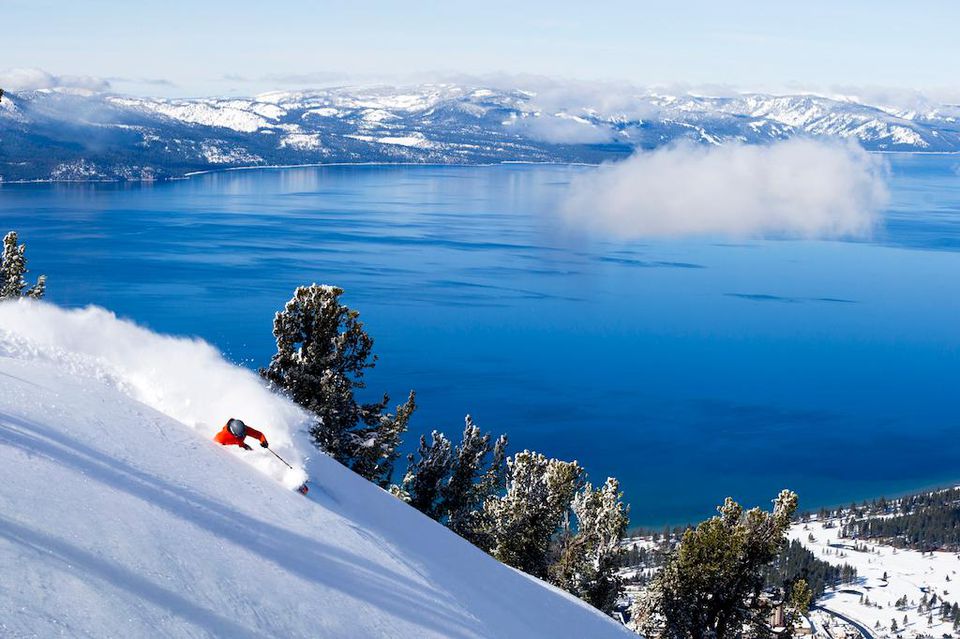
LAKE TAHOE Calif./Nev. – Tahoe Backcountry Radio is heading into its second year, expanding with more trailhead signs and outreach events.
The program started last year with the aim of implementing backcountry radio community channels in the Tahoe Basin, which are specific radio channels assigned to specific backcountry areas (zones).
The channels are valuable in the backcountry because they place users in reach of other users for intel on conditions, drop-in notifications and calls for help.
The program launched last winter, and organizers raised awareness of the new backcountry resource.
“We have great awareness; now we need to get people to use it,” radio project lead Jamie Morgan said. “We are encouraging people to do their radio check at the trailhead on the community channel so people know there are others out there.”
This year, the program is expanding to more trailheads, increasing from last year’s 26 to 40 trailheads. In that effort, the program is recruiting trail stewards to help with education and awareness when they are out skiing.
The program is also offering more trailhead outreach days to raise awareness and teach people how to use the channels. The trailhead outreaches take place at various popular backcountry trailheads with beacon practice fields, and resources on the radio program and avalanche education.
Tahoe Backcountry Radio has launched a new website that offers a trailhead check-in page that finds a user’s zone channel from a phone in a parking lot. It also provides area avalanche forecasts and localized weather links, information from the Tahoe Backcountry Alliance, and a place to provide feedback.
Tahoe Backcountry Radio will participate in a series of educational events and discussions this winter, including the Tahoe Mountain Sports Avalanche Education Series night on December 16 in Truckee, plus other film nights and workshops.
For a full list of events, trailhead outreaches or more information about the program, radio etiquette or a backcountry zone’s channel, visit the Tahoe Backcountry Radio website, tbradio.org.
SIERRA NEVADA, Calif./Nev. – A study published at the end of October found that snowstorms can capture and deposit a significant amount of microplastics onto the ground, including in remote locations in the Sierra Nevada.
“We are at a point where microplastics are in our atmosphere, not just the ocean, not just rivers. It comes down with the snowfall, making its way to places humans typically don’t go,” Aleksandra Karapetrova said, the study’s lead researcher and a UC Riverside environmental toxicologist.
While past studies have already established that microplastics occur in Western U.S. snow, this study examined how much is being deposited on the ground during individual storms.
The study surveyed seven sample sites during active storms in the Sierra Nevada between January and July 2024, taking care to ensure the locations were remote.
“One site was accessed by chairlift. I had to ski to the rest of the remote sites. That’s how isolated they are,” Karapetrova said. “But no matter how far out the site, I always found microplastics there.”
Toxicologist Aleksandra Karapetrova sampling snow in the Sierra Nevada, measuring microplastics.Provided / Sonya Maple, CDFW
Scientists were surprised at the amount at the remote locations. During the height of storms, snow deposited between 270 and 3,200 plastic particles per square meter, per day.
The study explained that in a process called snow scavenging, snowflakes can capture airborne plastics and carry them to the ground. It explains how microplastics get deposited far from populous centers or places where plastics are used or produced.
Karapetrova also found that the most common microplastics deposited are those used in clothing and packaging, including polyethylene, polypropylene, and polyester/PET.
Microplastics can enter the air when products shed or wear down into fragments small enough for the wind to carry. With clothing in particular, studies have found that plastic fibers can enter the atmosphere through dryer vents or daily wear.
The findings raise important implications since the Sierra Nevada snowpack supplies 30% of California’s freshwater.
Ski Bum Stuff
Your cart
25% OFF OF EVERYTHING YOU ORDER
25%
Yeah, that's right!
You'll get 25% off of everything you order by using this code at checkout: