
Lake Tahoe couple helps underserved, first-generation students navigate college
Boosting Hope is working to make college more accessible for students across the Lake Tahoe Basin. Founded by Huma and Naseer Rana, the nonprofit provides scholarships and mentorship to help students overcome barriers to higher education.
For students who are the first in their families to attend college, the path to higher education can come with challenges beyond academics. A Lake Tahoe nonprofit is working to make that journey a little easier.
Huma and Naseer Rana launched Boosting Hope in 2020, initially serving Incline Village before expanding across the Lake Tahoe Basin. The organization works with counselors at eight area high schools to identify students who have the potential to attend college but may face financial pressures, family responsibilities or limited guidance at home.
For Huma Rana, the commitment to education began in her childhood in Pakistan. Her mother started a small school in their village that eventually grew into a middle school, giving more children access to education.
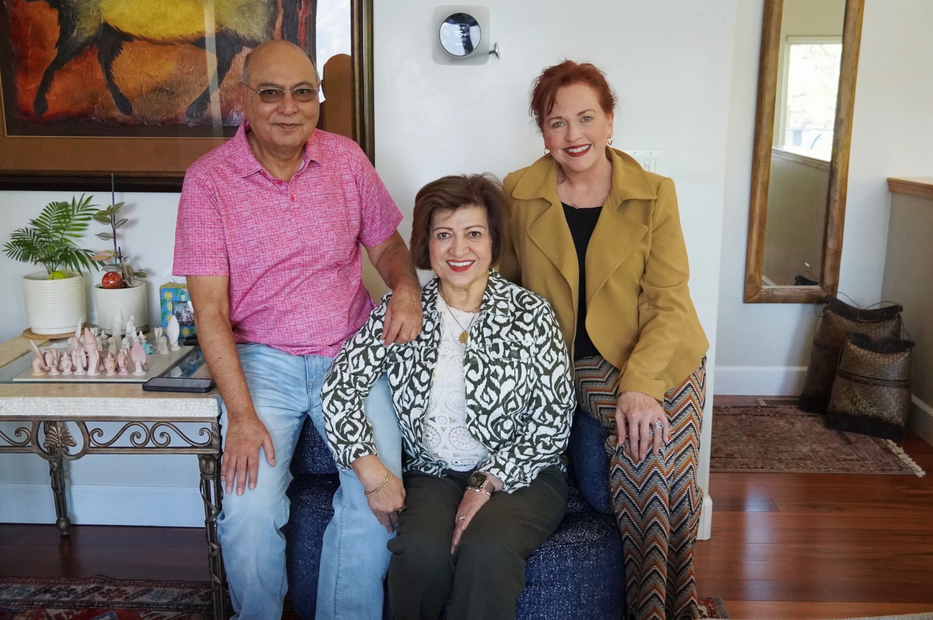
Years later, Huma and her husband brought that same commitment to their community in Tahoe.
“It’s all about community, basically. We want to educate our youngsters because it’s affecting the community,” Huma Rana said.
Naseer Rana, who retired from the World Bank, said some students’ circumstances can make their academic potential difficult to recognize.
“We identify kids who have the potential, but it’s not reflected in their grades or how they’re performing because they may have problems at home, and they have responsibilities,” he said.
Boosting Hope offers scholarships and mentorship to help students pursue higher education, including those who plan to attend a two-year college before transferring to a university.
Denise Menzies, the organization’s program director, said part of the work involves helping students recognize their own abilities and potential.
“We’re trying to identify and raise the bar for all young people, based on what we know they can do that they might not realize they can do yet,” Menzies said.
Mia Salas, a junior at the University of Nevada, Reno, understands how overwhelming the college application process can feel.
Neither of her parents attended college, and Salas said she struggled to figure out where to begin, from choosing schools to completing the Free Application for Federal Student Aid, or FAFSA, and writing application essays.
“When I was applying to colleges, it was definitely a roller coaster of emotions,” Salas said. “Didn’t know where to go or how to start that, or FAFSA, or what should my essay look like?”
Through Boosting Hope, Salas received financial assistance and mentorship from Menzies. That support has helped her plan her studies and explore a potential career in law.
For the Ranas, supporting students also means recognizing the responsibilities many young people already carry. Huma said some students take on adult roles early, including translating for their parents. She wants them to be able to support their families while also having opportunities to build futures of their own.
Her husband sees that support as an investment in the wider community.
“If there are pathways to prosperity open to all parts of the community, that leads to more harmonious and socially coherent communities,” Naseer said.
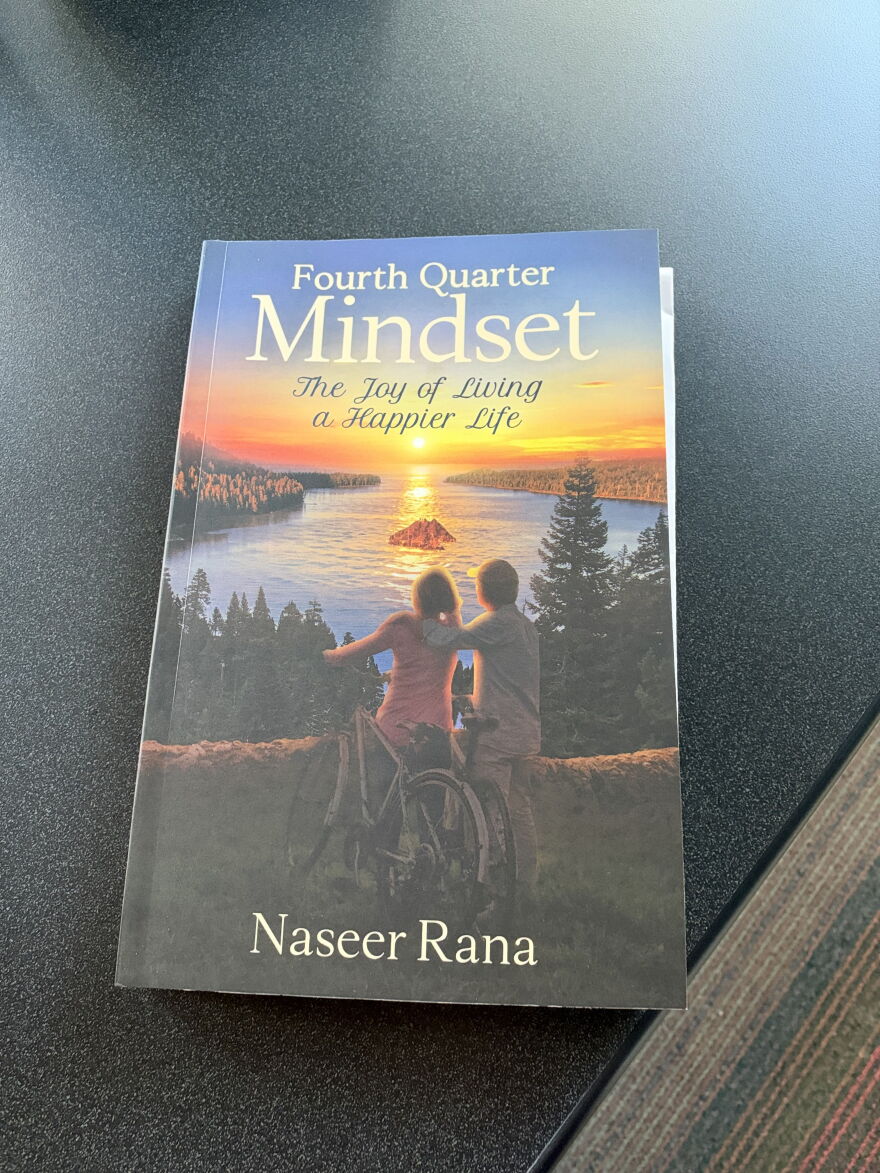
He recently published Fourth Quarter Mindset, a book about finding purpose and making the most of life’s next chapter. Proceeds from the book support Boosting Hope.
The couple hopes the organization will continue giving students the financial resources, guidance and confidence to pursue their ambitions.
“If the child is doing well, the whole family is going to do well too,” Huma said.