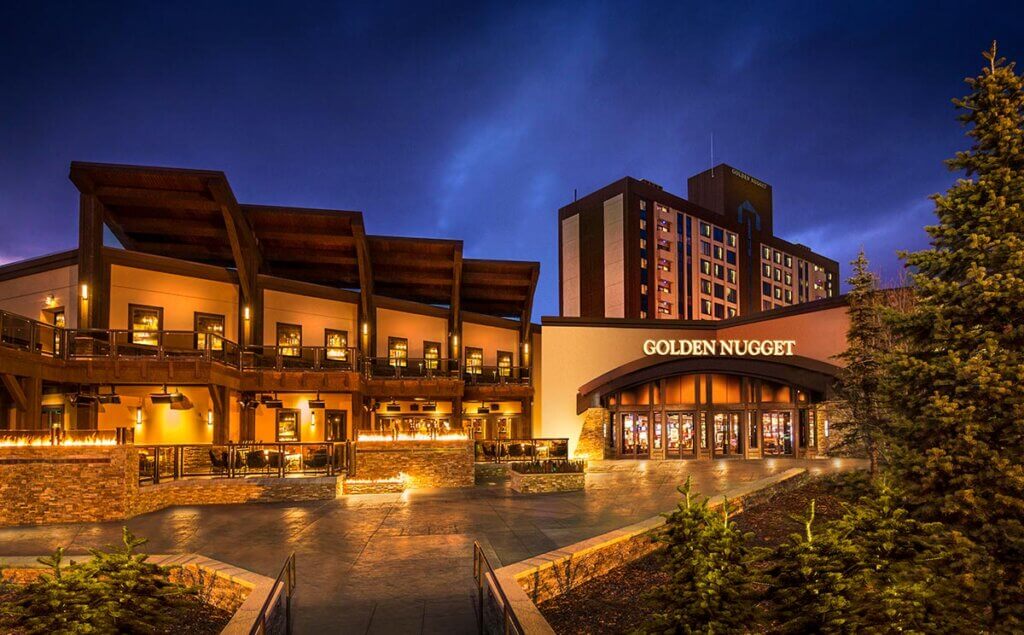
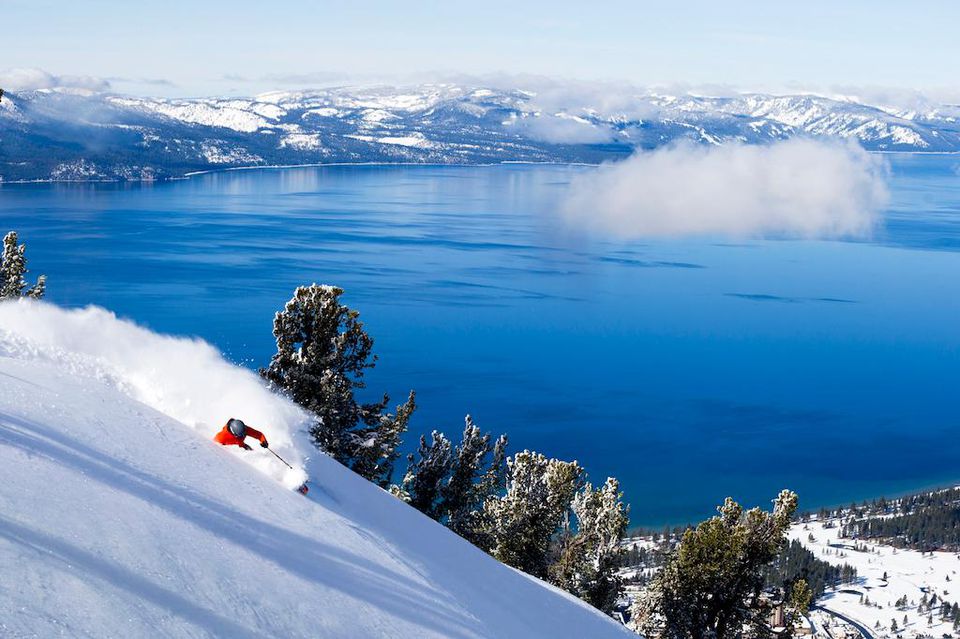
Parents often discover that the South Shore of Lake Tahoe offers a rare mix of scenery and activity, where a peaceful lakeside morning can easily turn into an afternoon of exploration and an evening full of family fun. One moment you might be lingering by the water, and the next you’re heading out for a trail walk, mountain views, or an afternoon adventure before winding down with pizza, bowling, or a show. This guide brings together family-friendly activities organized by age group, plus a five-day itinerary to help you plan a trip that keeps everyone engaged—from toddlers discovering the beach for the first time to teens looking for something adventurous.
Heavenly Gondola
If you’re looking for inspiration for a Lake Tahoe family vacation guide, this is a great place to start.
Get Inspiration for Activities by Age
One of the best things about South Lake Tahoe is how many activities naturally work for multiple age groups. Beaches, scenic trails, and mountain viewpoints can be enjoyed by just about everyone. A few spots are especially great depending on the ages of the kids in your group. If you’re traveling with toddlers, young explorers, or adventure-seeking teens, these suggestions can help you plan your days more easily.
The Littles (Infants & Toddlers: Ages 0–4)
Families traveling with young children quickly discover that Tahoe has plenty of places where little legs—and strollers—can keep up.
For beach time, Pope Beach is a favorite thanks to its tall pines that provide natural shade throughout the day. Parents appreciate the wide sandy shoreline and calm water. Regan Beach is another excellent option, especially if you’re looking for grassy areas where toddlers can crawl, roll, and explore comfortably. There is also a small playground. Both beaches provide ample parking that is a short distance from the beach itself, as well as public restrooms.
For gentle outdoor adventures, the Taylor Creek Rainbow Trail is an easy half-mile loop that works well with strollers and young walkers. Lam Watah Trail is another smooth, scenic option for families who want a stroller-friendly walk without too much elevation.
When it’s time to burn off energy indoors, Tahoe Tot Spot offers a safe play environment designed for younger children. The Slime Kitchen is also an excellent pick when you need a little break from the sun or the cold. Kids and (kids at heart) can create their own custom slime, complete with glitter, fragrances, and all kinds of other options.
Dining with toddlers is refreshingly easy around town. Elements Eatery & Bar offers casual dining with lake views, while Lake Tahoe AleWorX at the Y has spacious outdoor seating and a lively patio where kids can move around while parents relax.
Young Kids (Ages 5–12)
Once kids reach elementary school age, Tahoe starts to feel like a giant playground.
Zephyr Cove Beach is a great starting point. The shallow water and interesting rock formations naturally encourage exploration. Kids can spend hours climbing around the shoreline while parents enjoy the views.
Taylor Creek Stream Profile Chamber
One of the most memorable stops for this age group is the Taylor Creek Stream Profile Chamber, often called the “fish window.” Visitors walk underground to a viewing window where fish can be seen swimming through the creek.
Zephyr Cove Stables
Families looking for active fun can book horseback riding at Camp Richardson, which lets kids experience the forest from a new perspective. Another classic option is Magic Carpet Mini Golf, a colorful, retro course that is serious fun for the whole family. With two different courses to choose from, you could even hit this one twice.
For meals, FiRE + iCE Grill & Bar is a hit with kids thanks to its interactive cooking experience, where diners build their own stir-fry creations. Later in the evening, families can catch the Magic Fusion show at The Loft, a G-rated magic and comedy performance that’s entertaining for both kids and adults.
Teens (Ages 13–15+)
Teens often look for something that feels adventurous or social, and Tahoe delivers.
One of the biggest highlights is Epic Discovery at Heavenly Mountain Resort, where the Ridge Rider Mountain Coaster and zip lines combine thrill rides with panoramic mountain views. It’s one of the most exciting ways to experience the mountain outside of ski season. Surprisingly, the Mountain Coaster is open most of the year, with short seasonal maintenance closures in May and October.
On the lake, clear-bottom kayaking offers a unique way to explore Tahoe’s famously clear water. Evening “night glow” LED tours add another layer of excitement with illuminated kayaks that glide across the lake after sunset. If you happen to be visiting near a new moon, the stars will be incredible.
Clearly-Tahoe | Clear Kayak Tours on Lake Tahoe
Teens also gravitate toward social hangouts like The Hangar, a lively venue with games and casual food, and Heavenly Village, which has everything from shopping to arcades. Retroactive Arcade, located in the Heavenly Village, is another popular stop filled with classic games that parents may remember from their own childhood. The best part? You pay an admission fee and get unlimited gameplay. Even better? They serve beer. It’s a win-win-win.
For meals, Tipsy Putt blends dining with indoor mini-golf and interactive entertainment, making it an ideal place to keep the evening fun going. Another super fun option that’s nearby is Yosemite Axe-Throwing. Definitely best suited for older kids and teens, test your axe-hucking ability while releasing any pent-up tension you may have, in a safe and healthy way.
Your 5-Day South Lake Tahoe Family-Focused Itinerary
Planning a family vacation can sometimes feel like balancing several trips at once. Parents want relaxation, kids want adventure, and teens want something memorable enough to talk about later. This five-day itinerary blends those elements, offering a mix of lake time, mountain views, and interactive experiences.
Day 1 – Arrival & Village Vibes
Start with a short walk along the Lam Watah Trail, an easy path that works well for strollers and young kids. The gentle trail winds through forest and meadow landscapes and offers a peaceful introduction to after your travels.
By afternoon, head to Heavenly Village, one of the main hubs of activity on the South Shore. Families can browse everything from outdoor gear shops to unique souvenir stores while grabbing snacks or ice cream along the way. Depending on the season, you will find miniature golf or ice skating, and live music is a year-round staple. All right in the Village.
Dinner at Base Camp Pizza Company is practically a Tahoe tradition. The lively atmosphere, generous portions, and live music make it a place where both kids and adults feel welcome. Plus the pizza is truly delicious – the Thai Curry Pizza is a unique option, not to mention a local favorite.
In the evening, walk over to The Loft to catch the early Magic Fusion show. The performance blends illusion, comedy, and audience participation in a way that keeps the whole family engaged. It’s a fun and easy way to wrap up the first day of your trip.
Day 2 – The Lake Experience
A visit to Lake Tahoe isn’t complete without a full day by the water.
Start your morning at Zephyr Cove Beach, where the shallow shoreline makes it easy for younger children to splash safely while older kids explore the rocky edges of the beach. Equipment rentals are available for families interested in paddleboards, kayaks, or other water activities.
Pro tip: Arrive early in the morning to claim a premium spot.
Lunch can be as simple as a picnic on the beach, dining at the Zephyr Lodge restaurant, or grabbing sandwiches from Yellow Submarine before you head to the beach for a premium picnic.
After lunch, families with younger children often appreciate a quieter afternoon. While toddlers nap or relax, older kids and teens might enjoy climbing sessions at Blue Granite Climbing Gym, an indoor bouldering space that offers a fun challenge.
Dinner at FiRE + iCE Grill & Bar brings everyone back together. Kids love building their own custom meals, and the upbeat atmosphere keeps things lively.
Day 3 – Mountain Heights & Scenic Moments
Begin the morning with a ride on the Heavenly Gondola. As the cabins rise above the treeline, sweeping views of Lake Tahoe and the Sierra Nevada open up in every direction.
Teens and adventurous kids can continue the excitement at Epic Discovery, where zip lines and the Ridge Rider Mountain Coaster add an adrenaline boost to the day. Families with younger children can instead enjoy the observation deck, short scenic trails, and open space around the summit area.
In the afternoon, head to the Taylor Creek Visitor Center and the famous Stream Profile Chamber. The easy half-mile walk makes it accessible for all ages, and the underground viewing window offers a fascinating look at fish swimming through the creek.
Dinner at Lake Tahoe AleWorX at the Y is a relaxed way to end the day. The large outdoor patio has space for kids to play games like giant Jenga while parents enjoy craft beer or wood-fired pizza.
Day 4 – History, Horses & Beach Time
By day four, families are often ready for a slower pace mixed with a little adventure.
Spend the morning at Camp Richardson, a historic lakeside resort area with plenty to explore. Older kids can experience the forest on horseback with a trail ride through the Camp Richardson Corral, while younger children may prefer the open grassy areas at nearby Regan Beach.
In the afternoon, head to Pope Beach, where towering pines provide cool shade and plenty of space to spread out. Older kids and teens can try clear-bottom kayak tours, which allow paddlers to see directly into the lake’s famously clear water.
Dinner at Cascade Kitchens, a food hall with multiple restaurant options, makes it easy for everyone to find something they love.
Day 5 – One Last Tahoe Adventure
For your final day, plan something memorable.
The M.S. Dixie II paddlewheeler cruise offers a relaxed way to experience Emerald Bay without needing to hike or paddle. The climate-controlled boat makes the ride comfortable for families, and the views of Fannette Island and the surrounding cliffs are unforgettable.
In the afternoon, younger kids can burn off one last burst of energy at Tahoe Tot Spot or challenge the family to a round of mini golf at Magic Carpet Golf.
Before heading home, consider a final friendly competition. Tahoe Bowl offers classic bowling fun, while Tipsy Putt combines indoor mini golf with casual dining.
It’s the kind of ending that leaves everyone smiling—and already talking about the next trip.
Below, you’ll find a thoughtfully designed four-day itinerary with seasonal options, booking guidance, pricing ranges, and insider tips to help you plan confidently. From scenic gondola rides and chartered time on the water to guided wilderness hikes and refined lakeside dining, it’s built to help you experience all the South Shore has to offer, while leaving space for spontaneity and awe.
Clearly Kayak Lake Tahoe
You might begin the day paddling along granite shorelines, spend the afternoon exploring alpine trails or cruising the lake, and close the evening with a memorable meal overlooking the water. The possibilities shift with the seasons—from snow-covered mountain adventures in winter, to chasing spring’s waterfalls and wildflowers, to long lake days in summer, and neon orange and yellow aspen leaves in the fall—but the feeling of exploration and discovery remains constant.
What Kind of Adventure Are You After?
In Lake Tahoe, adventure isn’t one-size-fits-all. It shifts with the seasons and scales to your comfort. You can rise gently with panoramic gondola views and a private sailing charter. Or you can chase adrenaline on a snowmobile, behind a wakeboard, or across a granite ridge in Desolation Wilderness. That range of activities, from full thrills to tranquil relaxation, is what makes the South Shore of Lake Tahoe so unique and well-suited to so many types of travelers.
The Views
Some adventures are measured in heart rate. Others are measured in perspective. For sweeping alpine panoramas, a private helicopter tour offers unmatched scale. Flights range from short scenic loops to longer custom routes and provide a dramatic view of Lake Tahoe surrounded by the Sierra Nevadas. Short tours start at $120 per person (minimum of two people) and range up to $600 for sunset tours.
From mid May through mid September, hot air balloon rides launch at sunrise over the lake. There is nothing more magical than floating quietly over Lake Tahoe, and the expert balloon pilots create a safe, fun and unforgettable experience. Admission starts at $399 and reservations are essential.
For high-energy views, parasailing on the South Shore gives you an aerial perspective with a dose of adrenaline. Expect 800 feet of altitude, full lake immersion, and hopefully lots of laughs with your sailing companion.
Right in the heart of downtown, the Heavenly Gondola climbs the mountains to an observation deck high above it all. The final stop at the top of the mountain offers hiking access (and much more!) in summer and ski terrain in winter, as well as year-round dining at Tamarack Lodge. Pro tip: check availability in May and October as there are two routine seasonal maintenance closures each year.
Looking for an adventure with a view? The South Shore is home to some of the most awe-inspiring vistas in the world, and they’re good for you: mind, body, and soul. Learn more about how awe impacts the mind and how we experience the world around us. Explore more in our docuseries hub.
The Thrill
Rubicon ATV Tour
If you like your adventure with velocity, Lake Tahoe has year-round options for those seeking maximum stoke. What’s cooler than a speedboat tour? A speedboat tour combined with an ATV tour. Channel your inner James Bond with the Rubicon ATV tour, led by expert local guides. There are multiple tour options that vary in intensity, and all require advance booking.
Snowmobiling with Zephyr Cove Snowmobile Center, Lake Tahoe
Winter is what Lake Tahoe is best known for. Lake Tahoe is majestic year-round, but when the mountains and town are blanketed in snow, it can take your breath away. Snowmobiling tours explore alpine meadows and forest trails with experienced guides leading the way. Helmets are provided. Always dress in layers.
Heavenly Mountain Coaster – Vail Resorts
At Heavenly Mountain Resort, the Mountain Coaster and zipline experiences offer fast-paced fun with unreal views. Believe it or not, the Mountain Coaster is open throughout most of the winter.
Local tip: book morning slots for motorsports-style activities. Conditions are typically smoother, and the group sizes tend to be smaller, so you’ll get a more intimate experience.
The Water
Lake Tahoe’s clarity is legendary. The best way to experience it is up close.
A private sailing charter offers a relaxing, elevated lake experience. Many charters provide customizable itineraries, onboard dining options, and sunset departures. Pricing varies by vessel and duration. Explore all available boating options here. Note that all vessels are equipped with GPS tracking systems and radios for safety. Boat captains are highly trained, and boat tour operators always opt for the side of caution if weather conditions are questionable. In this instance, tour operators typically cancel and reschedule or refund your tour.
For a quieter experience, book a clear kayaking tour with Clearly Tahoe. This is one of the best ways to experience Lake Tahoe’s famous clarity. Their professional guides are highly knowledgeable and will provide geological and historical context, and some good laughs along the way. No kayaking experience necessary, most tour options are well-suited for beginners. Booking in advance is recommended.
The Wilderness
Horseback Riding Zephyr Cove Stables Lake Tahoe
Tahoe’s wild side remains one of its greatest luxuries. For guided exploration, horseback riding through alpine terrain offers a classic Sierra experience. Routes vary by season and skill level. Camp Richardson Corral and Zephyr Cove Stables are two excellent choices; both are located on the South Shore.
Hikers seeking high elevation awe and solitude will find it in the Desolation Wilderness. Trails from Echo Lakes to Lake Aloha offer granite basins, alpine lakes, and backcountry immersion. Note that the Desolation Wilderness requires permits in peak summer months, so plan ahead.
Waterfall Camp Lake Aloha Desolation Wilderness Lake Tahoe | Photo: TheOutbound.com
In winter, experienced adventurers can pursue backcountry skiing or snowboarding with proper gear and avalanche awareness. Guided tours are strongly recommended.
Local tip: Leave No Trace principles apply everywhere. Tahoe’s clarity and wild beauty are preserved through small, thoughtful choices.
Just south of town, Hope Valley has many activities year-round, including fishing, snowmobiling, wildflower displays, and fall leaf-peeping. In autumn, aspens light up the valley in gold. Stop at Sorensen’s Café for a refined mountain pause. Local tip: try the berry cobbler – it’s phenomenal.
Need More Inspiration? Make the Most of Tahoe With This 4-Day Itinerary
The most memorable Lake Tahoe trips feature a few premium tours booked in advance, while still leaving room for spontaneous adventures. This four-day itinerary is designed to do exactly that, combining iconic views, a few big thrills, and refined dining to create a seamless South Shore escape.
Day 1 – Iconic Views & Effortless Exploration
Start with one of the most photographed vantage points in the world: Emerald Bay Overlook. Arrive early, when the morning light turns the water impossibly blue and the granite cliffs glow softly in the distance. Note that from Memorial Day to Labor Day, the Emerald Bay Shuttle is the best way to get to and from, since parking is very limited. From there, take the trail down to Vikingsholm Castle, a Scandinavian-inspired estate tucked along the shoreline. The descent is invigorating but manageable, and the reward is a closer look at one of Tahoe’s most fascinating historic landmarks. If the season allows, linger at the beach below. Dip your toes in. Take a plunge if you’re feeling bold. Or, for something more active, rent a kayak or paddleboard and explore Emerald Bay.
For lunchtime, pick up picnic provisions from Cork & More, which features an impressive selection of artisan cheeses, fresh bread, and wine, then find a quiet stretch of shoreline. El Dorado Beach is a good pick if you’re looking to stay in town.
Start your day with breakfast near where you’re staying – there are breakfast spots all across town. A few local favorites include Driftwood Cafe, Tahoe Bagel Co., The Red Hut, and Bert’s Cafe. If you’re visiting in winter or early spring, start your adventures with a guided snowmobiling excursion. The engine hums against a snow-covered landscape, delivering both thrill and beautiful views. In summer and early fall, trade snow for sky with parasailing or jet skiing from a South Shore marina.
After your morning adrenaline, shift toward refinement. Head to Heavenly Village for lunch and stroll through the heart of town before boarding the Heavenly Gondola. Within minutes, you’re lifted above rooftops and into panoramic views that stretch across state lines. At the summit, take in the observation deck or ride the Mountain Coaster for a dose of speed with a lake backdrop.
As evening settles in, explore Van Sickle Park. The light lingers here in summer, casting gold across the water. For dinner, choose something lakeside and unhurried. Idle Hour’s waterfront patio is a favorite for a reason.
If you still have energy to spare, Tahoe’s entertainment scene awaits. Live music, intimate lounges, and casino energy are all within easy reach. Even if gaming isn’t a focus, stepping onto the floor for a round of blackjack or a crafted cocktail adds a distinctly South Shore after-dark flavor to the night.
Day 3 – Wilderness & Indulgence
Drive up Echo Summit and step into Desolation Wilderness, where alpine lakes and granite ridgelines dominate the horizon. Trails range from moderate to ambitious, and the landscape shifts dramatically with the seasons. In late spring and summer, waterfalls rush through granite chutes. In autumn, crisp air sharpens the views. In winter, snow transforms the terrain into something hushed and cinematic.
Choose a hike that fits your energy level: Fallen Leaf Lake or Angora Lakes for gentler exploration, or a longer trek toward Lake Aloha if you want to commit to the day. The point is not distance; it’s immersion.
After the wilderness, reward yourself accordingly. Transition from boots to robes with an afternoon spa session at Edgewood or The Landing. Deep tissue recovery, lake-view relaxation lounges, and hydrotherapy circuits remind you that adventure and restoration belong in the same itinerary.
Dinner tonight calls for something elevated. Dress up. Reserve a table at The Edge, Chart House, Mastro’s, Wolf by Vanderpump, or Hell’s Kitchen. Tahoe’s fine dining scene pairs creative cuisine with curated environments, from The Edge’s lakeside views to Wolf by Vanderpump’s intriguing interior.
Later, if the sky is clear, drive toward Fallen Leaf Lake for stargazing. Tahoe’s high elevation and relatively low light pollution create extraordinary night skies. Bring layers. The temperature drops quickly, even in summer.
Day 4 – Reflection & A Grand Finale
Your final day should feel expansive and unhurried.
Rise before dawn for a hot air balloon ride over Lake Tahoe. There is something quietly powerful about lifting off as the sun breaks over the Sierra Nevada. Fun fact: Lake Tahoe is the only place in the world with a hot air balloon that takes off and lands on the water, on the world’s tiniest air craft carrier! The lake reflects light like polished glass, and for a moment, the entire region feels suspended in stillness.
Pro tip: grab a coffee before your hot air balloon ride.
In the afternoon, ease into something scenic. The Pope–Baldwin Bike Path offers a flat, winding ride along the shoreline with views that never feel repetitive. It’s relaxed, beautiful, and ideal for savoring the last hours of your trip.
A sunset dinner cruise aboard the MS Dixie II or a private cocktail cruise on the lake provides a fitting finale. As the sky shifts from gold to rose to indigo, take some time to breathe it all in.
Four days in Lake Tahoe can feel like much more when each day is well thought out. The balance of thrill and tranquility, wilderness and refinement, is what transforms a good trip into something lasting.
Lake Tahoe Casino Entertainment – Roulette | Photo: Caesars Republic Lake Tahoe
The South Shore of Lake Tahoe has a wide range of entertainment options, so whether you’re looking for headlining concerts, intimate live music, craft cocktails, or comedy shows tucked in cozy venues, you can find it. Couples often pair scenic mornings with refined dinners and a concert. Some will catch a Tahoe Knight Monsters hockey game or plan their trip to attend the American Century Celebrity Golf Championship in July. All have the option to chase their day with a nightcap, casino hopping, or checking out the town’s bars and clubs to find some dancing. The late-night energy in South Lake Tahoe keeps the momentum going. The options shift with the seasons, offering space to curate an experience that feels entirely your own.
Live Music & Concerts
There are some real highlights to the Lake Tahoe live music scene. Find major headliners at Lake Tahoe Amphitheatre at Caesars Republic in an iconic outdoor setting (seriously, the sunsets from this venue are eye-popping). The Tahoe Blue Event Center delivers indoor arena concerts, major performances, and year-round shows, including comedy and sporting events like the Harlem Globetrotters and Xtreme International Ice Racing.
Summer brings the Heavenly Village Summer Concert Series, the Hangar Concert Series, and the free Live at Lakeview beach concerts. Live at Lakeview is a real local’s favorite and it’s no wonder when the backdrop of the stage is the lake and attendees can dance barefoot in the sand or float nearby on paddleboards.
To plan ahead, browse upcoming Altitude & Awe events in South Lake Tahoe before your trip. You can view by category, date range or search.
Shows & Theatre
Tahoe’s stage extends beyond music. The Loft’s Magic Fusion Magic & Comedy Show blends illusion and stand-up in an intimate theater setting. The Lake Tahoe Shakespeare Festival on the lake pairs performing arts with a lakeside backdrop. Each year there are two plays to choose from, one Shakespeare and one more modern selection.
Lake Tahoe Shakespeare Festival at Sand Harbor
Valhalla Tahoe offers seasonal productions and cultural programming on the lawn by the water and in the historical boathouse-turned-theater. Casino venues also host touring comedians and specialty performances throughout the year. If you’re searching for comedy shows near Stateline, you’ll find options in every season.
Casinos & Gaming
South Lake Tahoe is one of the only places where you can experience casino gaming beside an alpine lake and blend world-class outdoor recreation with high-stakes gaming.
Sunset over the Lake Tahoe South Shore Casinos
The Nevada-side casino district in Stateline blends entertainment, nightlife, dining, and gaming within walking distance. Even if gaming isn’t the centerpiece of your trip, the casino resorts anchor much of the region’s live entertainment calendar. While this part of town was built in the 60’s and 70’s, several resorts have recently completed major renovations, so there is a lot of fresh energy, including flagship fine-dining like Wolf by Vanderpump and Gordon Ramsay Hell’s Kitchen.
Sports & Signature Events
Steph Curry at the American Century Championship Celebrity Golf Tournament
Outdoor celebrations such as Toyota Air & Après, featuring DJs, big air demonstrations, and fireworks, and the Tahoe Mountain Biking Festival energize the slopes and streets. If you’re looking to catch some air in the summertime, check out Bijou Community Park’s BMX course.
Beer, Wine & Craft Cocktails
The South Shore of Lake Tahoe may be a small community, but when it comes to breweries, wine bars, and cocktail bars, there is an impressive selection. The South Tahoe Beer Trail highlights all of the local breweries and beer gardens. Himmel Haus features a traditional Bavarian beer garden with a spacious outdoor patio. MacDuff’s Pub delivers classic Scottish hospitality and hearty fare. McP’s Taphouse Grill and The Hangar blend craft drinks with live music energy.
If you’re a wine aficionado, Idle Hour Lakefront Wine Bar is a hidden gem that sits right on the water. The Landing Lakeside Dining has an impressive wine selection and is steps from the beach. The Edge and Bistro at Edgewood Tahoe Resort are known for the expansive bar menus, including upscale wine, champagne and cocktail options.
For cocktails, Community Speakeasy offers a hidden cocktail experience in Heavenly Village. Noel’s Apothecary is a bar located in the casino corridor with retro styling worthy of Instagram and live music. The Loft offers one of the best lounge environments to enjoy live music, magic demonstrations and craft cocktails in the downtown area.
This three-day itinerary blends scenery, dining, and standout entertainment. It’s designed for travelers who want their evenings to be as memorable as their days.
Day 1 – Settle & Unwind
If you arrived the night before, begin your day by settling in with a hot cocoa, elevated coffee creation, or a soothing herbal tea, easing into the morning with lake views or a sunrise glow from a cozy café or bookstore corner. From there, explore Heavenly Village, which features all kinds of shops from funky socks to fine art and jewelry. In the summer, there’s a mini golf course in the center, and in the winter, an ice skating rink! Once you’re hungry for lunch, you’ll have ample options nearby.
If you’re craving some beach time already, take LakeLink to Lam Watah for an early evening walk to Nevada Beach. From there, head back to the Heavenly Village area and choose from South Lake Brewing Co., Tipsy Putt, or Noel’s Apothecary for some fun. If you’re feeling energized, continue on toward the casino district for live music or late-night gaming.
Day 2 – Explore, Dine & Laugh
Start your morning by grabbing coffee and heading to Inspiration Point in Emerald Bay, where panoramic lake views elicit awe that will set the tone for your whole day. Even just two minutes of focusing on an epic view increases contentment by 37%. From there, stroll one of Tahoe’s nearby beaches or explore the shoreline, letting the water and mountain backdrop guide your afternoon. When you’re ready to shift gears, spend time at The Hangar for food, drinks, and interactive entertainment, then leave room to refresh before your evening plans begin. As night falls, attend a concert at Tahoe Blue Event Center or catch a performance at The Loft’s Magic Fusion Magic & Comedy Show for a lively night out. Afterward, continue the momentum with craft cocktails at the Community Speakeasy or live music at McP’s Taphouse Grill, and if the mood strikes, step onto a casino floor for a round of gaming before calling it a night.
Day 3 – Chill Vibes & Big Energy
Begin your morning with a ride on the Heavenly Gondola. On a clear day, you can see the entire lake and the Sierra Nevada stretching into the distance. Elevated vantage points have a measurable impact on mood and connection, and the crisp mountain air brings a clarity that lingers well beyond the ride itself. After taking it all in, trek over to Himmel Haus for lunch and enjoy the relaxed biergarten atmosphere. If you’d like to spend a little more time by the water, Lakeview Commons is a lively beach in the heart of town, and it happens to be right near Idle Hour Lakefront Wine Bar. If the Tahoe Knight Monsters are in town, catch a game at Tahoe Blue Event Center for an energetic evening. Then wrap up your trip with one final lounge visit, live music, or a show at one of the casinos.
Plan Ahead: Events Calendar & Trip Tools
Entertainment schedules shift seasonally, especially during peak summer and winter weekends. Before your visit, explore upcoming events in South Lake Tahoe to secure tickets early. For more inspiration, browse our Things to Do hub and explore additional ideas for entertainment in Lake Tahoe.
Shoulder-Season Playbook: Big Impact, Better Value in South Lake Tahoe
Timing is everything for your next event.
When you’re mapping out a leadership retreat, incentive getaway, or multi-day meeting, timing can make all the difference. In South Lake Tahoe, shoulder season is where savvy planners find the sweet spot. Fewer calendar constraints. Less hustle. More options. And a destination that still delivers that unmistakable lake-and-mountain wow factor.
Why Shoulder Season Works
Shoulder season is the quiet achiever of Tahoe event planning. It’s when the destination feels open, adaptable, and ready to work with you.
With fewer competing bookings, hotels and venues have greater availability and flexibility. That means meeting rooms configured to fit your flow, smoother load-ins, and easier coordination across multi-day programs. It also means your stakeholders see a stronger return on investment without sacrificing experience.
And make no mistake, the experience still delivers. You’re meeting where North America’s largest alpine lake meets the Sierra Nevada peaks. Crisp air fuels clear thinking. Big views inspire big ideas. Your attendees still get the awe, and then some.
Sweet-Spot Weeks to Know
And make no mistake, the experience still delivers. You’re meeting where North America’s largest alpine lake meets the Sierra Nevada peaks. Crisp air fuels clear thinking. Big views inspire big ideas. Your attendees still get the awe, and then some.While Tahoe’s shoulder seasons shift slightly year to year, two planning windows consistently deliver the best mix of value, flexibility, and seasonal appeal for meetings and group activities in South Lake Tahoe.
Late April through early June marks spring’s transition on the South Shore. The lake begins to shine, the mountains hold onto their final traces of snow, and the destination feels refreshed. Golf courses reopen, lower-elevation trails become accessible, and lake cruises, kayaking, and paddleboarding begin to ramp up. Longer daylight hours and clear air support productive meeting days paired with outdoor receptions, scenic breaks, or casual team-building.
During spring, indoor venues remain plentiful and adaptable, while outdoor activities can be layered in as conditions allow. It’s a smart choice for incentive programs and strategy sessions that benefit from a sense of renewal without committing fully to summer logistics.
Late September through earlyNovember delivers one of Tahoe’s most focused and visually rewarding seasons. Fall color arrives in nearby valleys, temperatures settle into a comfortable range, and the lake takes on a calm, reflective tone. Hiking remains accessible, lake cruises continue into early fall, and cooler evenings naturally lend themselves to fireside networking, private dinners, and relaxed social gatherings.
Fall shoulder season also brings consistency. Weather tends to be stable, days are still bright, and leaf peeping is in its prime.
A quick planning note: Tahoe is a mountain destination, and shoulder seasons come with character. Spring may include lingering snow at higher elevations, and fall evenings cool quickly. The upside is choice. South Lake Tahoe’s walkable meetings district, flexible indoor venues, and experienced local partners make it easy to build programs that stay smooth, comfortable, and compelling regardless of what the weather decides to do.
The Value Equation
his is where shoulder season delivers its strongest planning advantage.
Planners often see more favorable room rates and added concessions during these windows. That can translate into additional breakout space, enhanced AV support, or flexible food and beverage minimums. Venues have more room to accommodate special requests and last-minute adjustments, making programs easier to fine-tune.
Many groups choose to reinvest those savings into experiences that elevate the agenda. A hosted welcome reception with lake views. A guided outdoor activity between sessions. A surprise guest speaker or team excursion. Value extends beyond the hotel stay. Group dining and off-site experiences often avoid peak-season premiums and rigid requirements, allowing budgets to stretch further across the full program. Add in Visit Tahoe’s helpful event value tips, and you’ll discover just how affordable your lakeside retreat can be.
Let’s Plan (Without the Headaches)
Shoulder season planning in South Lake Tahoe is refreshingly straightforward.
Start by browsing a wide range of venues, from large-scale, flexible spaces like the Tahoe Blue Event Center to boutique and lakefront options designed for more intimate groups. The destination offers a mix of casino resorts, luxury lodges, and eco-conscious properties, making it easy to match the stay to your program’s tone.
Detailed room and venue specs help planners align space with session needs from the start. Access through Reno-Tahoe International Airport keeps travel simple, with convenient shuttle options and a scenic drive that sets the tone before attendees even arrive.
A Smarter Way to Meet
Shoulder season in South Lake Tahoe isn’t about scaling back. It’s about meeting smarter. With timing on your side and the lake as your backdrop, these windows create a clearer path to meetings and incentives that deliver on every level. So let’s start planning your event. Browse South Shore venues, explore room and meeting specs, and send us your RFP. We’ll help you turn smart timing into an even better experience.
Whether you’re unwinding after an outdoor adventure or simply seeking a moment of calm, South Lake Tahoe’s day spas offer restorative experiences inspired by mountain landscapes and crystal-clear lake views. From luxe bodywork to unique cultural rituals, there’s a way to pamper your body and mind in every season.
Perched within the serene grounds of Edgewood Tahoe Resort, this Forbes Travel Guide 4-Star Spa invites guests to relax in a refined mountain setting with treatments designed to soothe both body and spirit. Signature options include restorative gemstone and specialty massages, body rituals, and facials that marry luxury with the natural tranquility of Lake Tahoe. The spa lounge area features a hot tub that is for clients of the spa only. Learn more.
The Spa at the Landing Resort & Spa – Photo by Tiffany J Photography
Waterfront and restorative, The Spa at The Landing blends the calming influence of the lake with a menu of body therapies, facials, and restorative treatments featuring organic products and natural botanicals. With its focus on alignment and overall renewal, this spa provides a peaceful complement to lakeside adventures and relaxation. Learn more.
Serenity Spa at the Marriott Grand Residence Lake Tahoe
Located inside the Marriott Grand Residence Club, Serenity Spa offers a warm and tranquil setting for guests to indulge in full-service massages, facials, and wellness treatments. It’s an easy way to unwind after a day on the trails or slopes, with customizable spa packages and a welcoming retreat atmosphere. Learn more.
Reflections Spa provides a serene escape within one of South Lake Tahoe’s most iconic properties. With rejuvenating treatments designed to melt away stress and melt into mountain views, this spa experience pairs well with a day of gaming, dining, or live entertainment. Learn more.
Rooted in the Japanese tradition of healing and renewal, Onsen Spa at Bally’s combines thermal features like hot baths with a selection of massage and bodywork offerings. It’s a soothing complement to the energy of nightly entertainment and gaming on the South Shore. (Note: Onsen details are informed by local listings and spa hotel guides.)Learn more.
More Ways to Restore in Tahoe
South Lake Tahoe’s wellness scene extends beyond traditional day spas, inviting you to explore experiences that engage body, mind, and nature:
Tahoe Forest Baths offers a rare Japanese cedar enzyme bath experience, one of only two of its kind in the U.S., promoting detoxification, stress relief, and relaxation through warm, natural cedar and active enzymes.
Bliss Experiences provides curated classes and workshops — from forest bathing to mindful movement — that connect visitors with nature and deeper personal renewal.
OMNI Tahoe Wellness Center in the heart of South Lake Tahoe focuses on holistic well-being with a variety of fitness and wellness offerings beyond traditional spa services. Guests can enjoy infrared-heated yoga in the Solar Studio, non-heated classes like aerial hammock and TRX in the Lunar Studio, and other movement-based experiences designed to enhance strength, flexibility, and recovery. It’s a great complement to outdoor adventure and post-play relaxation in Tahoe’s mountain environment.
From deep-tissue massage to cedar enzyme baths and bespoke healing workshops, South Lake Tahoe’s spa and wellness offerings are as varied as the landscape itself. Whether you’re seeking recovery after sledding, skiing, or biking — or simply craving a tranquil retreat — there’s a restorative experience here to suit every traveler.
Perfectly positioned at more than 6,200 feet above sea level, Lake Tahoe is an ideal place for Olympians to live, train, and explore.
Here is a list of Olympic athletes who call Lake Tahoe and the surrounding area home, as well places to visit and take in Lake Tahoe’s Olympic legacy. Looking for somewhere to watch the Olympics while you’re in town? Check out Sports Bars here.
Jamie Anderson is a two-time Olympic gold medalist and South Lake Tahoe local. Anderson competed in her third Olympic Games in Beijing, after winning gold in the slopestyle competition in 2014 and 2018. Jamie Anderson may be known for long, cerebral runs, but she has plenty of big air tricks in her bag as well.
Anderson swept the slopestyle and big air events at the 2021 X Games in Aspen and won the slopestyle events at the Mammoth World Cup 2022. Considered a favorite by many, this South Lake Tahoe local is certainly deserving of a few cheers.
Maddison Michelle “Maddie” Bowman is an American freestyle skier who quickly made her mark on the sport with a breakout performance at the Winter X Games in 2012. She captured a silver medal in the superpipe. From there, Bowman established herself as one of the most dominant halfpipe skiers of her era, claiming X Games gold medals in 2013, 2014, 2015, 2016, and again in 2018.
Her career reached its pinnacle at the 2014 Winter Olympics, where she delivered a standout performance to earn the gold medal in ski halfpipe. Bowman returned to Olympic competition in 2018, finishing 11th against a highly competitive field. Known for her consistency, technical skill, and competitive drive, Bowman remains one of the sport’s most accomplished athletes.
Hannah Teter is an American snowboarder and Olympic champion known for her smooth style and consistency on the halfpipe. She rose to international prominence at the 2006 Winter Olympics in Torino, where she captured the gold medal with a standout performance. Four years later, Teter proved her staying power by returning to the Olympic podium with a silver medal at the 2010 Games in Vancouver.
Beyond the Olympics, Teter built an impressive competitive résumé, including a bronze medal at the 2005 FIS World Championships in Whistler, British Columbia, and six World Cup victories throughout her career. Recognized for both her talent and longevity in the sport, Teter remains one of the most accomplished and respected figures in women’s snowboarding.
David Wise is an American freestyle skier and one of the most decorated athletes in men’s halfpipe history. A two-time Olympic gold medalist, Wise captured back-to-back titles in 2014 and 2018, cementing his reputation as a dominant force on the world stage. His breakthrough moment came at the 2014 Winter Olympics in Sochi, where he made history by becoming the first Olympic champion in the debut of the men’s freeski halfpipe event.
Wise’s success extends well beyond the Olympics. He is a five-time X Games gold medalist, earning top honors in 2012, 2013, 2014, 2018, and 2023. Notably, he entered the Sochi Games with strong momentum after securing his third consecutive X Games gold in Aspen earlier that year.
A 2022 Olympian and eight-year member of the U.S. Ski Team, Cashman returns to the Winter Games driven by a desire to continue challenging expectations in alpine skiing. A technically focused racer specializing in Giant Slalom and Super Giant Slalom, she has built her career on determination, consistency, and a belief that elite performance is possible without following a traditional development path.
O’Brien began skiing at Palisades Tahoe through the Mighty Mite program before starting her racing career with Team Palisades Tahoe. She later attended Burke Mountain Academy, where her performance led to selection for the National Training Group and, in 2016, a spot on the U.S. Ski Team.
Since joining the team, O’Brien has built an accomplished career, including winning the NorAm overall title in 2019, earning eight national championship titles, and competing at the 2022 Winter Games. She was also a member of the U.S. Team Event that won gold at the 2023 World Championships. Growing up in a family of ski racers helped shape her lifelong connection to the sport.
With what has to be the coolest last name of any Winter Olympics athlete, Sugar Bowl Ski Team & Academy’s Luke Winters officially punched his ticket to Beijing after securing a career-best 10th place in Slalom racing. In 2019 Luke won his first national championship title at the alpine combined at Sugarloaf, Maine. He followed that performance up with a second national title in slalom at Waterville Valley, New Hampshire.
A member of the United States cross-country team, North Lake Tahoe’s JC Schoonmaker is entering his first-ever Olympics with a full head of steam after securing a pair of top-10 finishes and a national title at Soldier Hallow, Utah.
A California native and Alaska resident, Hannah Halvorsen is headed to her first Winter Games two years after suffering a traumatic brain injury from a crash. Halvorsen is hoping her comeback story ends with a gold medal win. Halvorsen recently posted a career-best seventh place at a World Cup event in Dresden, Germany.
Hailing from Truckee and growing up in a family of skiers, the multi-talented athlete, Maureen Lebel has competed in all ski disciplines and finished third overall at the North American Cup.
Hurt has two World Cup podiums and made her Olympic debut in 2022. She recently spent the offseason training at home in Palisades Tahoe and is coming off a breakthrough season, with a strong focus on mental preparation — an area she describes as non-linear but essential to high-level performance.
Tahoe’s Olympic Legacy
1960 Winter Olympics Games
The Squaw Valley Winter Olympics | Photo: Craighton Miller
The Squaw Valley Winter Olympics in 1960 are remembered by many as the last of the small Olympics. Originally standing a “snowball’s chance”, the Olympic event near Tahoe’s north shore could have arguably never happened if not for a tie-breaking vote by World War II hero, Jo Marillac.
The legacy of the 1960 Olympics continues into the present. When officials were unsure if a skier had missed a gate in the men’s slalom, they asked CBS-TV if they could review a videotape of the race, giving CBS the idea of inventing “instant replay”.
Champions Plaza
Spirit of Competition Sculpture | Photo: Lake Tahoe News
Next time you’re driving through South Lake Tahoe, be sure to visit the Champions Plaza, located on the corner of U.S. 50 and Lakeview Avenue across from Lakeview Commons and take a selfie with the 11-foot bronze sculpture inspired by local Olympic athletes.
Start Your Own Winter Olympics
You might not be good enough to qualify to represent your country during the Olympics, but your family can start their own Olympic Games in South Lake Tahoe each winter. With thousands of acres of skiable terrain at local ski resorts and a massive backcountry with never-ending progression, and even ice skating rinks, you don’t have to look far to find a worthwhile and memorable experience along Lake Tahoe’s south shore.
If you’ve been following OpenSnow’s Bryan Allegretto for his Lake Tahoe forecasts, you know he’s passionate about accurately predicting what the surrounding mountains will get. He’s the voice of reason when other news outlets and weather services hype up FEET of snow, only for the reality to fall far short. But even for “BA”—as he’s known—the storms in the first week of February 2025 were way off, and by a huge margin. In fact, it was his worst prediction in his nineteen-plus-year career. I had the chance to chat with him to get the inside scoop on what went wrong.
BA’s Soul Crushed
Bryan Allegretto enjoying one of Tahoe’s famous storm cycles when the forecast was spot on.
BA takes his forecasting seriously—so seriously that he’s been keeping a scorecard to track just how spot-on (or not) he’s been. Over the past nine seasons, his predictions for every storm across the Tahoe Basin have been off by just 1.5 inches on average. But during the first week of February, things went way off course. He was off by anywhere from 5.5 to 12.9 inches, with some mountains missing the mark by as much as 2 feet! Normally, when he’s that far off, it’s because the storms delivered more (think: colder, fluffier powder). This time? As far as he can remember, it was the first instance they delivered way less.
Atmospheric Rivers are Tough
One of the many warm storms during the wet n’ wild Jan 2017 season
Lake Tahoe’s weather is infamous for its feast-or-famine cycles, and a big reason is that up to 50% of California’s precipitation comes in the form of an atmospheric river. These intense bands of moisture originate from the tropics and slam into the Sierra. If Lake Tahoe is lucky enough to be on the cold side of it, we get huge snowfall. But if not, it means rain—LOTS of rain. And that’s exactly what happened during the first week of February.
Alarm Bells Ding
As the storms began to arrive in the 5-day window, BA was already mentioning how concerned he was about the forecast. First, the band of moisture was narrow at only 50 miles wide which is tiny in the scope of the globe. If the storm moved even a few miles north or south, the amount of liquid we get would be drastically cut. Then there was the problem of temperatures. It set up a battle royale of two giants – cold air to the north and the warm subtropical air flowing into the northern Sierra. Depending on who wins and when, this “could make a BIG difference in snowfall totals.”
Worst Case Scenario Happened
And that’s exactly what happened. Instead of the storm staying focused on Tahoe, it quickly moved north. While the National Weather Service predicted 30 inches of liquid and BA estimated 22 inches as a conservative forecast for the week, the greater Lake Tahoe area only received a meager 6-12+ inches. The moisture tap shut off before the cold air could move in, and the snow ratios—usually around 10:1—were closer to 7:1. The result? A rude awakening after the storm passed.
“Biggest Temperature Gradients as Far as I Can Remember”
A lot of this came down to how cold it was to the north—a real tease for weather forecasters. It was snowing all the way to the beach in Oregon and even in Susanville. With that much cold air up north, it seemed like it would force its way south, but it didn’t. Instead, the warm air took over. Not just in Tahoe, but across the entire West, where everyone got hit with rain. Jackson Hole was in the 50s, and even Utah saw rain!
Models Aren’t Gospel but a Tool
The GFS model… Snow porn at its finest. For the 1st storm in the larger cycle it predicted nearly 12 inches of liquid! The ENTIRE week only got 6!
The best tool for weather forecasters today is still the weather models. But as BA pointed out, “These are global models. Each micro-climate has its own set of errors. You need to understand these nuances and apply them to your forecast.” Take the GFS, for example. The U.S. model, affectionately known as “snow porn,” always assumes snow ratios are way too high, predicting crazy amounts of snow—and it’s nearly always wrong. Then there’s the Canadian model, which tends to underforecast how much snow places like Mt. Rose will get. The real voice of reason? The European model. Statistically, it’s proven to be the most accurate, and now with A.I. to help fix its errors, it’s getting even better.
OpenSnow Will Learn and Get Better
In the end, BA summed it up best: “It’s hard to forecast storms in the mountains.” But that’s exactly what drew Bryan to this field in the first place—the challenge of forecasting and getting it right. Sometimes, like the week of February 1st, 2025, you get it wrong. But that’s an outlier, and the team at OpenSnow is using it as a learning tool. Instead of taking a back seat, they’re constantly working to improve their product. They’ve even hired a full-time A.I. developer to create their own OpenSnow A.I., which is processing 40+ years of data to correct model errors and improve predictions.
And it’s not all about enjoying the summer for pickleball. The folks at OpenSnow use the “off season” as a chance to reflect and improve. That’s when they discovered the Canadian model’s issue with the Mt. Rose snow forecast. They’re always striving to get better.
We get how tough forecasting can be, and we hope this behind-the-scenes look helps explain the challenges involved. Big kudos to him—and to all of the OpenSnow team—for the hard work they put in!
South Lake Tahoe’s seamless transition from winter fun to spring shenanigans is something every traveler should experience at least once in their life. From shredding the slopes to trips out on the lake and even chugging your way along the South Lake Tahoe Beer Trail, clearly, Lake Tahoe’s South Shore is the place to be. Read on to discover why you should plan to visit Lake Tahoe in March.
Things To Do In Lake Tahoe in March
Hit the Slopes
Congrats on your first day of skiing Hudson! Photo by @seth280
March is a month full of mystery when it comes to predicting the weather. From epic powder days to pristine bluebird runs, March in Lake Tahoe has it all, depending on the day.
Tahoe Knight Monsters Hockey at the Tahoe Blue Event Center
Tahoe Knight Monsters Hockey at the Tahoe Blue Event Center. Home games in March: 11, 13, 14, 27, 28, 29, 2026. Ticketmaster.com
Jim Breuer: Find the Funny at Harrah’s Lake Tahoe
Saturday, March 8, 2026, 8:00 pm, Jim Breuer has been making audiences double over in laughter for more than 30 years with his fearless honesty, spot-on impressions, and signature high-energy storytelling. From his breakout days on “Saturday Night Live”—where his “Goat Boy” character became a fan favorite—to his wildly popular stand-up specials and podcasts, Breuer continues to prove that comedy hits hardest when it’s real. Tap here for tickets.
Umphrey’s McGee at Harrah’s Lake Tahoe
Saturday, March 14, 2026, 7:00 pm, Umphrey’s McGee – Sky’s The Limit Tour at Harrah’s Lake Tahoe. Umphrey’s McGee is a genre-defying band known for blending rock, funk, jazz, prog, and improvisation into powerful, high-energy live shows. Celebrated for their technical precision and adventurous jams, they deliver performances that are equal parts musicianship and spontaneity. Tap here for tickets.
Celebrate St. Patrick’s Day along the South Lake Tahoe Beer Trail
You never know what Mother Nature will bring in March but the one thing we do know is March brings us the best of the NCAA! Ski all day, taking in some of the best snow conditions anywhere, and head up to the nearest sports bar to watch some playoff action.
Gunbarrel 25 at Heavenly Mountain Resort
Gunbarrel 25 at Heavenly Mountain Resort. If endurance is your pursuit, don’t miss out on the 22nd annual Gunbarrel 25 on March 28th! Taking place on Heavenly’s famous mogul run, The Face, this long-time tradition challenges participants to lap the run 25 times. Those who chose to up the ante can compete for the quickest finishing time and earn their name on the famous Gunbarrel 25 plaque that hangs in the neighboring California Lodge.
No matter what route you take on your next Lake Tahoe expedition, please be sure to positively impact the local environment and wildlife along the way. As a city in the middle of a forest, South Lake Tahoe and its guests have a responsibility to keep wildlife wild by never feeding them and properly disposing of garbage in bear-resistant containers.
Ready to be a next-level visitor? Picking up even a few pieces of discarded trash can go a long way towards “Keeping Tahoe Blue”. Click here to learn more.
The clearest blue water. The brightest green mountains. It’s awe and then some, but all this awesome doesn’t happen by accident. It comes from mutual respect for the South Shore, from locals and visitors alike. That’s why we created Rules to Lake By: five ways to practice responsible tourism at Lake Tahoe, so we can keep this place awesome today and awesome tomorrow.
When looking for a skiing destination, one of the factors that typically comes into everyone’s mind: “Is there more than one ski area to visit?” The answer when talking about the cozy town on the shore of Payette Lake is a wholehearted YES! In fact, McCall Idaho skiing has the perfect amount of resorts big and small to fit everyone’s budget, plans, or vision of what they think a ski town is all about.
McCall Idaho Skiing – Covers All Needs
Photo by: Local Freshies®
Within half and hour from the center of McCall, you have access to three vastly different ski areas. The closest is the Little Ski Hill which is only a few minutes away, offering affordable skiing and schussing under the lights. Less than nine miles away, you have the flagship resort: Brundage Mountain. Not just a ski area but rather a basecamp to outdoor fun such as snowmobile excursions to Burgdorf Hot Springs. The furthest away, but a MUST for all visitors, is Tamarack. This resort is now coming into a renaissance due to a new owner. Both Tamarack AND Brundage are a powder hound’s dream especially during mid-week. You’ll pretty much have each place to yourself. The best part is both of these offer lift-accessed backcountry skiing if you have the gear, knowledge, and fortitude to step outside into the wilderness.
The Little Ski Hill – For 1st Timers & Ski Addicts
Image appears courtesy: Payette Lakes Ski Club
As T.E. Lawrence in Lawrence of Arabia said, “Big things have small beginnings” and the Little Ski Hill in McCall, Idaho is the greatest example of this. Founded in 1937 for local forest workers to recreate during the winter, this quaint area doesn’t have one or two Olympians but SIX who got their start here. Although it may only have a 405-foot vertical drop, it makes sure that every inch of it is maximized. They do this by offering night skiing, a legit terrain park, AND a kid-first attitude that families love. How do you know it’s good? By hearing the laughter and whoops on the slopes. If you’re looking for a fountain of youth or just affordable skiing, this place is it. How affordable? Well, an adult day pass goes for only $30 or hand out $140 and get a SEASON PASS!!!! College students can pick up a season pass for $80 and kids 5-17 can get one for $50.
Compared to other ski resorts throughout the country, the road to Tamarack isn’t treacherous. Heading due south from McCall on Highway 55, follow the massive ridgeline until you pass through Donnelly. We HIGHLY recommend making a pit stop here for breakfast at the Flight of Fancy Bakery. Besides serving tasty pastries and other scrumptious options, their baked oatmeal is the BEST oatmeal you’ll have anywhere.
If you pull into Tamarack’s parking lot mid-week, it will feel as though it’s your own private resort. Although it might have less in-bounds acreage than its cousin Brundage, the 2,800’ of vertical skiing will make sure your legs are screaming especially that you can lap the mountain without stopping. For those that have knowledge about the backcountry, the lift-accessed terrain is MASSIVE since the resort sits on a ridgeline making for easy pickings. That’s just a few of the many reasons you should visit Tamarack Resort.
Brundage Mountain – McCall’s Classic Resort
Photo by: Local Freshies®
Last, but not in any way the least, Brundage Mountain Resort will always be near and dear to our hearts. Looking at the trail map and statistics, you’ll think that it isn’t very big or that it’s pretty mellow. Well, you’d be wrong. Just like all Idaho skiing, you have to look in-between the lines or rather in the glades to find the challenging stuff. For example, from looker’s left, the trails or rather “zones” of the Hidden Valley area holds some amazing steeps you’d find in places like Kirkwood. And if you have a few extra dineros in your pocket, we HIGHLY recommend booking a backcountry guided tour via a snowcat. At over 18,000 acres to explore, the snowcat tours will make sure you find some untracked pow to shred.
Photo by: Local Freshies®
Nordic Skiing
Although we’re focused on the gravity fed version, we have to give a nod to the McCall Idaho skiing version known as nordic skiing. Instead of an afterthought, cross-country skiing here is big. So much so that there are multiple nordic centers that maintain and manage trail networks. The jewel on the crown is Ponderosa Park. It’s located on a 1,000 acre peninsula that splits Payette Lake. Featuring heavily forested trails with rolling topography to ridge tops offering up spectacular views of the lake. The newest edition, opened in 2005, is Bear Basin which contains 30 km of trails to explore. You’ll also find trail networks at Tamarack Resort and the summer activities hot spot for mountain biking at Jug Mountain.
As the throngs of skiers and snowboarders head to busy destinations like Vail, Park City, or Whistler, you may want to consider McCall, Idaho for your next ski vacation. From consistent snowfall, thousands of acres of skiing, and fun winter activities like the McCall Winter Carnival, you’ll understand why we consider not just McCall but ALL of Northern Idaho – the last frontier of skiing. If you want to learn more about McCall like what’s there to do, what places to eat, and even insider tips on how to get there be sure to read our insider’s guide:
Japan. Its snow is so legendary that it has coined its own term: ‘JaPow.’ It has become a part of every skier’s and snowboarder’s lexicon. Ranking up there with Steamboat’s “Champagne Powder” and Bozeman’s “Cold Smoke.” We understand if you want to experience where this term originated at Niseko’s ski resorts. But if you’re like us and want to go where no one else is going, we’ve learned that it might be time to go skiing in Hokkaido and experience its ‘Bonchi.’
A map of Japan might make you think that the northern island of Hokkaido is small compared to the rest of Japan, but you’d be surprised to find out it’s nearly one-quarter of the country’s landmass (~22% to be exact) and roughly the size of the state of New York! And there’s more to skiing in Hokkaido than the well-known resorts of Niseko or Rusutsu. There are over 100 resorts to explore in the Hokkaido region alone! On our trip this winter, we learned about a magical place called the “Hokkaido Powder Belt.”
Hokkaido Powder Belt
On Hokkaido, most of the resorts that people visit are on the western side, surrounding the city of Niseko. The Hokkaido Powder Belt, however, is in the center of Japan’s northern island. Using Asahikawa or Furano as base camps, you can access a variety of different-sized ski areas, each offering something unique.
Bonchi – Another Kind of JaPow
As we mentioned in “10 Things I Wish I Knew Ahead of Skiing in Japan,” the sea effect is what makes Japan’s snow so consistently great. While Niseko, being closer to the ocean, benefits from this effect and stays warmer, Hokkaido’s Powder Belt lies further inland. This means it receives slightly less snowfall than Niseko, but the quality of the snow more than makes up for it.
To set it apart from the rest of “JaPow,” central Hokkaido is now calling its snow “Bonchi Snow.” “Bonchi” means “bowl” in Japanese, referring to Furano’s basin-like topography. It also plays on the word “bon,” which means “good” in French, giving it a playful twist—suggesting that this is the land of the best snow, the kind of powder you crave.
Authentic Japan in Hokkaido
Photo by Jaime Pirozzi – Local Freshies®
From every person I’ve spoken to, the Niseko ski resorts feel as if you could be at a Colorado resort just as much as you’re in Japan. On the other side of the spectrum, you have the Tohoku ski areas, which are located in the northern part of the main island. There’s a high likelihood you’ll be the ONLY Westerner at these resorts, and without someone who speaks Japanese, it can be difficult to get around. The Hokkaido Powder Belt is the perfect medium between the two. It still feels authentically Japanese, yet you’ll probably run into people who speak English, especially at resorts, hotels, and restaurants.
Experience Over Pow
On our trip this winter, what started as one of the coldest and snowiest seasons in Japan turned into something unexpected. When we arrived in Hokkaido, a high-pressure system sat over almost the entire country, providing sunny, warm-ish (still below freezing) conditions for skiing throughout our entire trip. The locals told us that a week without snow is unheard of. Even without fresh snowfall, the rich Japanese culture we experienced and the stunning scenery made the trip worth it.
Tomamu
Overlooking Tomamu Resort – Photo by Jaime Pirozzi – Local Freshies®
Photos and videos can leave quite an impression before you even set foot on the slopes. But I’ll admit, the pictures of those two massive towers surrounded by nature felt so foreign to me. I imagined that with two giant skyscrapers, there’d be a sprawling village beneath them just as big. Turns out, I couldn’t have been more wrong. Rather than creating a massive village that stretched across the entire valley, the resort chose to build up, preserving as much of the natural surroundings as possible.
The Skiing
Like many Japanese ski areas, this mountain spans two peaks. From the base, it looks like you’d need to shuttle between them, but in reality, the trails connect the two effortlessly. Tower Mountain, located next to the Towers, is the more mellow of the two. It’s home to night skiing on certain days and “Hotalu Street.” But no matter what the snow’s like, you’ve got to make sure you at least bomb down “Hotalu Street” once. The snow-covered avenue feels like you’re in the video game Skate or Die, weaving through a charming Japanese village.
But the real skiing is on Tomamu Mountain. Right off the Unkai Gondola, head skier’s left, and you’ll find wide-spaced birch trees on a steep pitch just begging to be shredded.
The Ice Village
John LaConte enjoying ice ramen at Tomamu’s Ice Village – Photo by Jaime Pirozzi – Local Freshies®
I’ve seen countless photos of ice villages in places like Iceland and Norway, but I never had the chance to experience one in person—until Tomamu. It was truly magical and something you need to take in if you visit here. Inside, you’ll find an Ice Post Office where you can send a postcard. An Ice Bar serving Japanese whiskey cocktails in glasses made of ice. And if that’s not enough, there’s even an Ice Chapel where, according to the resort staff, there’s at least one wedding everyday throughout the season!
Oh, and there’s an Ice Ramen Restaurant… and let me tell you, that was an experience. The frozen egg in the ramen was like a ramen-flavored gobstopper—definitely something you’ve got to bite into to understand.
Local Freshies® tip: I can tell you right now, whatever you wear normally snowboarding or skiing, be sure to add a layer if you visit the ice village. After a day of skiing, the ice from the village felt as if cold was emanating from the structures.
Furano
Photo by Jaime Pirozzi – Local Freshies®
Even from a distance, its hulking face is impressive. Out of all the dozen or so ski areas we visited in Japan, Furano stands out with the rowdiest terrain—probably why it’s the most popular in the region. The steep slopes are made for expert shredders. The resort itself feels like a mix of different resorts rolled into one. The Ropeway’s cable car reminded me of Jackson Hole’s tram, while the fall-line skiing following the mountain’s natural topography brought to mind Taos’ classic trail system. A shining example of this is the A-3 trail: a fun, steep, twisty, tight run that bounces down the fall line as if it were trying to reenact how a waterfall would flow if it were made of snow.
Through it all, Furano still maintains its authentic Japanese vibe.
On sunny days, the views are stunning. Across the long valley, you can see the massive, treeless peaks looming over the snow-covered farmland below.
Danger Lurks
With each new angle, the mountain reveals more big lines you didn’t catch from the last perspective—and, at the same time, more danger. From the top of Kitanomine, looking toward the backside of the Furano zone, we saw huge fractures that looked like glide avalanches just outside the resort’s boundaries.
Kamui Ski Links
Our guide to Kamui Ski Links Akihiko Wakamatsu smiling after our 1st dawn patrol lap – Photo by Jaime Pirozzi – Local Freshies®
Some mountains stand tall, practically yelling at you, “You got what it takes?” while others are more comfortable in their own skin. Kamui Ski Links is definitely one of the latter. It wasn’t the first impression that blew me away—it was what we discovered once we got to know the place.
Mom & Pop Feel
Out of all the mountains we visited, Kamui Ski Links was our favorite. Why? It has that “Mom & Pop” ski area vibe we all crave. There are almost no “Gaijin” around, just a true community spirit, with race clinics on the mountain and locals enjoying cheap meals of soba and chicken curry with rice in the lodge.
And then there’s the terrain. From the base, it looks like the slopes are short, but that’s not the case. Turns out, their gondola accesses nearly 2,000 vertical feet of skiing. While the terrain might not be as steep as Tomamu or Furano, what it lacks in steep shots, it more than makes up for with a laid-back vibe (aka fewer crowds), accessible glade skiing, and a relaxed boundary policy.
Other Ski Areas
While we didn’t get to explore every ski area, the region is packed with some seriously unique spots. Asahidake is a one-hit gondola that opens up access to Mt. Asahidake’s epic backcountry terrain. Then there’s Kurodake, another one-lift wonder, featuring cliff bands to huck off, chutes to tackle, and steep fall-line skiing that’ll make experts feel right at home. And let’s not forget about Sahoro, which offers an all-inclusive resort experience along with its tree-lined slopes—perfect for some solid tree skiing. Then there’s Pipu, Canmore (not the Canadian one), and Santa Present Park to round out the list.
Where to Stay
The lobby at Asahikawa – Photo by Jaime Pirozzi – Local Freshies®
Resort Living or City Experiences
Depending on the kind of experience you’re after, that will dictate where to stay. If you’re looking for the all-inclusive resort vibe, you’ve got that option. Staying close to the slopes means you’ll be spending most of your time at the hotel, where nightlife is pretty much nonexistent. But if you’re the type who wants to expand your horizons, staying in one of the nearby cities is a great choice. It’ll give you the chance to sample local cuisine, check out shops, and soak in the local scene. In that case, staying in a city might be more your style.
Asahikawa – City Experiences
The town’s architecture feels like if Milwaukee went full-on Japanese and then got dropped next to a bunch of massive mountains. Staying in a real city means you’re in for an authentic experience—straight-up local vibes. For a general rundown of things to try and do along with some tips, check out our Japan Guide. For Asahikawa, here’s what to expect:
Local Cuisine
The city’s known for its ramen, and you’ll find spots serving it all over. But if you want to do a side-by-side ramen showdown, check out the Asahikawa Ramen Village, where eight of the city’s most famous ramen joints are all in one place. Another regional delicacy? Soba noodles. Made from buckwheat, Hokkaido produces nearly 40% of Japan’s supply. These brownish noodles are a staple in Japanese meals, with a nutty flavor and chewy texture. You’ll find them served both hot and cold—perfect for whatever vibe you’re feeling.
Sanroku gai – Nightlife
The Japanese live that New York lifestyle—work hard, play hard, and trust us, they work HARD. As the sun sets, Asahikawa’s entertainment district, Sanroku Gai, really comes to life. This area is packed with over 1,000 restaurants lining the tiny winding walkways, serving up fresh seafood caught right off the local waters. Plus, you’ll find plenty of drinking spots to keep the vibe rolling into the night.
OMO7 Hoshino Resort
For part of our trip, we stayed at the OMO7 Hoshino Resort in Asahikawa. As the name suggests, it’s a resort right in the heart of the city. The lobby features a “wax bar” stocked with high-end waxes and tools, so you can tune up your skis on the spot. Downstairs, there’s a beautiful onsen with soaking tubs, a cold plunge, sauna, and a giant whirlpool—perfect for easing those post-ski aches and pains. We didn’t get a chance to try breakfast, but friends who’ve stayed rave about it. The iconic dish? Waffles topped with salmon. It might sound odd, but apparently, it totally works.
The resort’s central location made it the perfect spot to dive into the local culture after a day on the slopes. Plus, it’s a great basecamp with Kamui Ski Links, Asahidake, and Kurodake all under 90 minutes by car, and even Tomamu just over two hours away.
Tomamu Hoshino Resort- Resort Living
As part of our trip to hit up Tomamu, we stayed at the towers. If you’re coming with a family and don’t feel like resort hopping, Tomamu Hoshino Resort would be the ideal basecamp. Besides the incredible skiing, the resort offers an insane amount of other activities, such as horseback riding in the snow (Jaime sooo wanted to experience this), snowmobile tours, ice fishing, and even curling, to name a few. Inside the towers, you’ll find rooms that are absolutely massive—even by American standards, let alone Japanese. A standard room includes a separate family area alongside a huge bedroom.
Join Local Freshies® in January 2026!
Photo by: Josh Laskin – Alex riding the JaPow from his trip a few years ago
This trip definitely sparked the itch for some more JaPow, especially after seeing what these mountains have to offer. After our last visit in 2023, where we got to experience Japan’s legendary snow (and got totally skunked on our Hokkaido visit), we’re ready to go back to Hokkaido for round two!
If you’ve ever wanted to experience Japan, come join us for the 10-day Hokkaido Indy Trip. More details will be dropping in April 2025.
Ever since Caldor ravaged Sierra a few years ago, the resort has become a powder hound’s dream. Storms would dump feet of snow, and only a few hundred locals would be out shredding it. The question on everyone’s mind was, ‘Will Sierra-at-Tahoe survive?’ If the crowd on Saturday, February 8th, is any indication, it’s returning to its former glory.
Back to the Good ‘Ole Days?
In town, the roads were eerily empty. But as we turned left at 8 a.m. onto the access road this Saturday morning, the drive up to Sierra became a slow crawl, with hundreds of cars winding their way up the mountain. I couldn’t remember the last time I’d seen so many people heading up to ski. By 10 a.m., all parking was at capacity, with cars waiting at the entrance for spots to open up. Talking to friends in town who have been skiing here for years—long before Caldor and the pandemic, during the busy 2015-2017 seasons—they said days like this used to be the norm. In fact, things would get so crowded that they’d call all the ski shops and hotels to let them know the resort was full, sending out text alerts and the whole nine yards.
The Perfect Storm
Photo by: Local Freshies
Without access to data, we can’t be absolutely sure why it was so crowded but can make some educated guesses. Here’s a list of potential factors that may have contributed to the crowds on Saturday, February 8th.
Drought Winter
For the 2024-25 season, January saw little to no snowfall, leading to a build-up of demand for some fresh, soft turns.
Hype Train For The Storms
The Sierra Nevada mountain range is notorious for the hype generated by media outlets. Social media, news stations, and various other platforms were predicting that Tahoe would receive 6 to 9 feet of snow. While this didn’t exactly happen, it certainly fueled the excitement to get up here.
Super Bowl Weekend
Despite not being an official holiday, Super Bowl weekend is one of the most popular times to visit Tahoe, especially with the opportunity to head to the casinos and bet on the big game.
Multiple Events
In addition to everything else, Sierra hosted several events, including a USASA Boardercross competition and a local snow camp aimed at getting young kids on the slopes.
Sierra-at-Tahoe Joins Ikon
The biggest news of the season is that Sierra has joined the Ikon Pass. But is this something locals wanted? Every local we’ve spoken to has shared a similar sentiment: “It sucks, but if it keeps the lifts running, it’s the lesser of two evils. I just hope it doesn’t ruin Sierra and turn it into another crowded South Shore ski area.”
Unlike Epic, which is owned by a publicly traded company, the Ikon Pass is backed by a privately held fund, so any insights about its impact are largely anecdotal. Was the Ikon Pass a factor in the crowds returning? Everyone we spoke to on the lifts had a Sierra-at-Tahoe season pass or another product, like a three-pack. While this may be true, it’s also like a surf break—people might not always tell the full story.
Is this the New Normal?
While it’s refreshing to see Sierra returning to its glory days, every local is thinking the same thing: Will powder days become as crowded as those at other Tahoe ski resorts? Only time will tell. At the end of the day, here’s hoping Sierra continues its comeback after the Caldor fire.
You’ve packed perfectly for your ski vacation by following a ski trip packing list. The alarm rings and you jump out of bed pushing the shades open. It’s blue bird, and there’s over two FEET of fresh snow. Today’s going to be epic! Quickly scarfing down breakfast, you rush out of the cabin for first chair. Music’s blaring. You and your friends are beyond stoked. Today’s the day! Pulling up to the slopes, you jump out and open the tailgate. Your stomach drops. This is when you realize you’ve forgotten something. If this is your first ski day or one of many, learn from our mistakes and use this quick day of checklist to make sure you have all your skiing essentials BEFORE you rush out the door.
Printable Checklist
Once was enough when I forgot a pair of goggles and had to drop another thirty bucks for a pair because it was storm day. Instead of letting this happen again, we created a checklist to make sure we have everything we need before we step out the door. Learn from our mistakes and download our FREE skiing essentials checklist:
The first and quite possibly most important piece of gear is what you’re going to wear. If you wear the right stuff, you’ll be warm on cold days. Cool on sunny spring adventures. Dry when Mother Nature throws a curve ball, and it’s raining/sleeting. To learn about what features to look for in each type of garment, how to identify waterproofness, and a rundown of what to wear in any weather condition, head over to our comprehensive clothing guide:
There’s nothing worse than having cold feet. NEVER ride with cotton. Instead, pick up a pair of merino wool blend or ones specifically designed to keep you warm and wick away sweat like Primaloft or Thermolite. Whatever you do, don’t double up on them either. Just get a pair of ski socks that are a bit beefier like a mid-weight variation.
Base Layers
Think of this as your second skin. Base layers are designed to be snug so that it keeps you warm, but at the same time easily wicks perspiration from your skin. If you grew up in a colder climate, you’ll know these as “Longjohns.” They’ve advanced quite a bit in their technology over the years and feel less like a piece of chainmail and more like a soft satin covering.
Mid Layer
Image appears courtesy: REI
Being based out of Tahoe, this is the layer we don’t always wear but have in the car just in case. Mid layers are things like a fleece or a puffy. It’s that extra bit of warmth on those cold days. This doesn’t have to be for your upper body only. For some reason, my lower body (i.e. feet) gets colder quicker so I typically wear a mid-layer on the bottom and not on my upper body.
Ski Pants
The barrier between you and the elements. Nearly every pair comes with gaiters on the bottom to make sure snow doesn’t go up your leg but from there things begin to vary. If you’re looking for a touch more protection from the wind and snow on the back but with the freedom of no waistband, then you may enjoy going the bib route.
Ski Jacket
Photo by: Local Freshies®
Instead of a heavy insulated jacket, we prefer to go with a shell and then layer underneath. If the sun does come out or the temps suddenly begin to rise, you can quickly shed layers and stay comfy. For a deeper dive on what features to look for in a jacket and some recommendations, be sure to check out our article: Unzip On What To Look For In The Best Women’s Snowboard Jacket.
Gloves
Like most other pieces of ski equipment, gloves or mittens can get pricey rather quickly. It’s not unheard of to spend upwards of $200. If you’re only going out for a handful of days, you don’t need to spend that much. Invest those $$$ on more critical items like the jacket or pants. A great budget friendly glove is the Gordini Gore-Tex Storm Glove or for a few more bucks the Black Diamond. Gordini’s entire mitten and glove offerings are Snow Joke If It’s Freezing Outside. Founded in 1956 and fiercely independent to this day, their focus is less on marketing spend and more about pushing the envelope on technology, offering them to you at an affordable price.
Neck Gaiter / Face Mask
Normally, we carry two neck gaiters. A warmer one that’s a bit heavier in weight for those cold storm days like the Smartwool Merino 150 Neck Gaiter. And then another that’s incredibly breathable that we could use even on a warm spring day like the Buff CoolNet UV+ line. Note: The Buff CoolNet is so breathable you could even use it in a warm climate like Costa Rica if you wanted to protect your skin.
Skull Cap / Balaclava
Although a helmet has insulation to keep you warm, you’ll be grateful to have that bit of extra wind protection when you have a skull cap. Another option is to skip the neck gaiter and go full balaclava.
Equipment
Out of all the skiing essentials, your equipment has A LOT to do with personal preference and skill level. We have MULTIPLE articles going into how to identify the best equipment for you such as Rocker Vs Camber – Which Is Best For You. We suggest starting on our ski & snowboarding equipment homepage and go from there:
Do a quick once over to make sure each bolt is tight and nothing’s broken. I’ve had a few times where my high back somehow lost a screw. I’ve seen and heard countless times where friends don’t feel comfortable on their snowboard — here’s how to Get Yo Stance Dialed – Snowboard Binding Setup so that you can rip with the best of them.
Snowboard / Ski Boots
Check the laces and latches to make sure nothing’s out of order. Frustrated with your current boots? Here’s 7 Things To Look For In The Best Womens Snowboard Boot based on our findings that will help both men AND women.
Ski Poles
If you’re renting or buying a pair of poles, the easiest way to find the right size is to flip them over and hold them underneath the basket. Your forearm should be at a 90 degree angle to the floor with the upper arms comfortably on your sides.
Helmet
Image appears courtesy: REI
The most expensive item in your entire kit is your brain so it’s a good idea to rock a helmet. I learned this the hard way by getting a few concussions in my youth. At a minimum, a helmet protects you from scratches and bruises from a random tree branch sticking out. At its best, the helmet will make sure that if a stray skier, snowboarder, or boulder hits you or you hit it, your noggin has some extra protection. Jaime LOVES her new Drift Wildhorn Helmet. It fits her googles, stylish, and a fraction of the price compared to some of the others on the market.
Goggles
Photo by: Local Freshies®
While ski goggles are one of the skiing essentials to have, this is yet another example of something you don’t need to drop big coin on if you aren’t spending thirty days on the slopes. Focus on the basics. Do they fit your face and helmet appropriately? At a minimum, you want them to reduce glare and block the wind from making your eyes water. We delve into how to find the best pair for you and review all the brands on the market in Get Your “Eye” On The Best Ski / Snowboard Goggles Out There.
Accessories
While some of these are truly skiing essentials like your season pass, others are not as much. But, you’ll be glad you have them such as sun block on those sunny spring days.
Lift Pass
Regardless if you’re a season pass vet or a day pass junkie, there’s a good chance you have to print out something to bring with you when you get to the resort.
Snacks
When the snow is good, you don’t want to waste your time having to stop for food. Just like the Snickers commercial croons “Hungry? Why wait”, stuff your pockets with jerky and granola bars.
Backpack
Image appears courtesy: REI
We don’t normally ride one with one if we’re only going to be out for a few hours. But on those epic storm days where it just keep snowing and snowing, we can’t bare to pull ourselves from the slopes. You can of course ski with a regular backpack, but there’s a good chance you’ll feel like you have a cat attached to your back attempting to toss you over the handlebars. If you’re going to ride with one, we recommend picking up one that’s light and designed to carry a water reservoir like the Osprey Kamber 20 L Snowpack for men or the Kresta for women. It isn’t bulky, and you won’t even notice that you’re riding with it.
Wax
Image appears courtesy: REI
Not as critical mid-winter, but on those warm spring days we typically carry a bit of warm weather paste wax such as Maxiglide or MountainFLOW quick wax and a tiny bit of citrus base cleaner to fend off any stickiness.
Tool
It is true ski resorts typically have a wrench at the bottom of each lift but normally they’re really a pain to use. Instead, have something like a Dakine Torque Driver Tool in your pocket. It has all the different sized bits and will work WAY better than what’s available on the slopes.
Lip Balm
Don’t let the wind and sun leave you with pain. Protect those speakers from the elements with some lip balm.
Sun Block
You’re most likely going to be up higher in elevation which means closer to the sun. Even if it’s cloudy, make sure to dab on some sun screen. Sure, goggle tans are cool but you don’t want to look like a red panda when you get home.
GoPro
If a snowboarder or skier lands a backside 360 in the park and it wasn’t caught on film, did it happen?
Headphones
Mother Nature is all we need on the slopes, but I know for some music is what makes skiing & snowboarding fun.
Ski Trip Packing List
If you’re planning to go on a ski vacation, you need a lot more gear than what we highlight above. Besides the skiing essentials, you’ll also need other items like beanies, flip flops, toiletries, and even a swimsuit. To make sure you don’t forget all those items, use this ski trip packing list to save a week of misery on the slopes.
Snow has arrived in Lake Tahoe, which means it’s time to catch the “winter wave.” With three massive ski resorts covering thousands of acres of terrain, there’s a lot of skiing & snowboarding to be had. The question is, which trails to hit? Of course, we have to keep our private stashes secret. However, we can share some of our favorite iconic ski trails to hit across all three resorts based on skill level.
What could arguably be considered the most famous bump run on the continent, this swath of snow plunges 1,600 vertical feet straight down to the wooden lodge known as Cal Lodge. It was this trail that helped usher in the freestyle culture of the 70s. For expert riders, this trail is like a bumpy dream that all should have the privilege of going down. This trail embodies the spirit of Heavenly Mountain, flaunting a tremendous view and full of challenging terrain.
Ridge Run (Intermediate)
As soon as you get off Sky Express chairlift & turn around, you’ll understand why they call this resort “Heavenly.” While other resorts surrounding Lake Tahoe have fantastic views of the cobalt blue waters, none are as high or profound as the scenery off of Ridge Run. On a warm sunny spring day, the views and moderate pitch will make you want to lap this trail over & over to really appreciate some of the best scenery in the world.
Patsy’s (Beginner)
For those feeling a bit uncomfortable about Ridge Run but still want to enjoy the view, you’re in luck! Accessed via a scenic Tramway or Gunbarrel Express, ride over to the higher elevation green zone. Patsy’s provides lake views & panoramas along with a gentle slope to get some turns in.
Note: Once done, you’ll take the Tramway or Gunbarrel Express back down.
The intimidation factor begins at the entrance of the lift. The brave are greeted by a skull & cross bones stating Expert terrain. As the slow, fixed-grip triple chair lumbers toward the top of the mountain, it feels like the ascent of a roller coaster. The Wall starts with heart-in-your-mouth steep chutes, followed by huge twisting gullies loaded with natural features to jump off of.
Elevator Shaft (Intermediate)
The “backside” as it’s known, is served up via the Sunrise chair (Chair #4) & features a large blank canvas to carve on. Right in the bowl’s center is the Elevator Shaft trail. Its intermediate pitch plus mostly open face allows you to make giant turns down the entire mountain.
Timber Creek Base Area (Beginner)
One of the best things about Kirkwood is how it naturally divides the areas by difficulty. Kirkwood is home to two beginner areas, one of which surrounds the Timber Creek Express chairlift. Squirrel Ridge off of this lift is a run that every kid or beginner would want to play on. It’s a gentle gully that snakes, winds and rolls its way through widely spaced giant Ponderosa Pines all the way to the bottom.
The terrain at Sierra-at-Tahoe is “Boulder-tastic” to say the least. With an absence of dirt & an abundance of rock, the trail Dynamite required quite a bit of explosives to make this run happen. While they did blast away some of the boulders, it still offers up steep fall-line skiing with large features to jump off of from top to bottom.
Powderhorn (Intermediate)
Sierra is an intermediate skier’s dream, with half of its slopes considered moderate. A lot of those trails are accessed via the West Bowl chairlift. Powderhorn is a great option to start with since it wraps around the resort’s periphery & is very wide making it easy to negotiate its steeper sections.
Sugar n’ Spice (Beginner)
The longest run at the resort starts at the top of Grandview & finishes at the bottom, covering the full extent of the resort’s vertical at a modest pitch. At 2.5 miles long, by the end you’ll feel like you accomplished a big feat.
So you see, Lake Tahoe is packed with enough varied alpine skiing terrain to keep any skier or boarder entertained regardless of skill level. With so many iconic trails, you just might find your new favorite too.
Check out Skiing and Snowboarding Tahoe on Instagram
In outdoor gear, Gore-Tex membranes are the gold standard for protection against the elements. We’ve hailed this material in many of our articles including our backcountry ski jacket guide. And to this day, there are very few proprietary brands from companies like Patagonia or North Face that can provide that kind of protection. A fabric that has started to bubble up as a competitive alternative to Gore-Tex is Dermizax by Toray. We take a deep dive into Dermizax Vs Gore Tex to see how they stack up.
Verdict
When comparing Dermizax vs Gore-Tex it comes down to what you’re looking for in your outerwear. Personally, for 95% of the time I like the Dermizax material. It offers more flexibility and a soft feel, similar to a softshell. It also provides excellent breathability when I’m sweating on the skin track and performs exceptionally well in most snowstorms. On the other hand, Gore-Tex is what I want on a wet Sierra Cement or Cascade Concrete day when the flakes are instantly turning to liquid as they touch me. Jaime, the Local Freshies® Gal, wants superior protection at all times and so she would never part with her Gore Tex Pro regardless of the conditions.
How We Compared Dermizax vs Gore Tex
Jaime wearing the Norrøna Lofoten with the Gore Tex Pro membrane – Photo by: Local Freshies
We’ve done a side-by-side full season test with Jaime using a Norrøna Lofoten Jacket which comes with Gore-Tex Pro and while I used the Ortovox Ortler 3L with Dermizax NX in the exact same elements. Although it wasn’t a perfect comparison since they both use different fabrics on the exterior, it did give us an idea of how they stack up.
Waterproofing
On paper, Gore-Tex Pro has a whopping 28,000+ mm waterproof rating versus Dermizax NX which is rated at 20,000 mm. In simplest terms that means the Dermizax NX material can withstand 20,000 mm of water pressure before it starts to leak versus the Gore-Tex Pro can withstand up to 28,000+ mm. Just to give you an idea how impressive that is — most ski resort jackets come with a 10-15,000 mm waterproof rating.
The Monsoon Test
They say a 20,000 mm jacket can protect you from rain in a hurricane, and that’s exactly what we did. We had the fortunate (or unfortunate) opportunity to test it during a three-hour monsoon at a New York Giants game. Jaime’s Norrøna Lofoten Jacket with Gore-Tex Pro kept her dry, while my Ortler 3L with Dermizax NX performed well for most of it — though I still ended up a bit damp. In “normal” winter conditions, the Dermizax NX performed just as well as Jaime’s jacket.
Winner: Gore-Tex Pro
Breathability
The next important factor is breathability. When you begin to get soaked with sweat in a cold environment, it can lead to a dangerous situation. One of the easiest ways to solve for this is to wear moisture-wicking breathable materials including your jacket. Gore-Tex Pro has a breathability rating of 25,000 g/m2. This means that 25,000 grams of water vapor (I.e. sweat) can pass through a square meter of Gore-Tex Pro in a 24-hour period. Although Toray the manufacturer of Dermizax NX doesn’t provide a breathability rating, we’ve read that it provides anywhere between 30,000 – 50,000 g/m2.
Testing on the Skintrack
Photo by Jaime Pirozzi – Local Freshies®
Within a ski resort, sweating might not be a big deal but it’s a different story on the skin track. Climbing up a mountain can you get warm pretty quickly. On a spring day with temperatures starting well below freezing and hitting highs in the upper 40s, I was blown away with the Dermizax NX membrane. I believe the breathability rating is spot on. Even though I’m the sweaty type, it kept me comfortably cozy in the full range of activities without having to keep taking it on and off. While Jaime, on the other hand with her Gore-Tex Pro, was constantly going on and off with her shell.
Winner: Dermizax
Feel
The final feature that most don’t talk about is “feel.” We’re not talking about Fernando’s Hideaway “dahling” on how you look but how the material feels when you’re moving on the mountain. Do you feel inhibited? Does the fabric make it sound as if you’re crumpling up a piece of paper? For many it isn’t a big deal, but it’s something to at least consider.
Marketing Hulabaloo or Legit?
Gore-Tex fabrics combined with bullet proof denier are notorious for how stiff they feel hence the name “hardshell.” One of the Dermizax NX fabric’s chief competitive advantages that they market is its multi-directional stretch capabilities. Is it REALLY that big of a deal? Before I tried it, I could really care less about feel. I was chasing the “protection against the elements” bug. I can tell you that Dermizax’s multi-stretch abilities aren’t malarkey but legit. Instead of buying a size up, I’m able to rock a more form fitting jacket and still get the protection I need. Jaime, while she cares about the feel, doesn’t care enough to EVER part with her jacket. In fact, she uses it all year long on EVERY adventure from mountain biking to backcountry skiing.
Winner: Depends
Just a few years ago, I would’ve said that there isn’t any waterproofing material that could compete against Gore-tex. It may still be the #1 brand but as you can see from Toray’s Dermizax offering, it might not be the best tool for all situations. It comes down to what you’re looking for.
One of the things we love about skiing and snowboarding in Idaho is that it’s home to some of the few truly independent ski areas left in the West. Resorts like Magic Mountain and Lookout Pass have a special charm that keeps us coming back year after year. However, a tragic incident at Sun Valley has brought the issue of ski area liability to the forefront. After a skier died, his widow filed a lawsuit against the resort. The Idaho Supreme Court’s ruling in this case is setting a new legal precedent, which could lead to significant changes in the future.
What Happened?
In November 2019, a 65-year-old doctor named Stewart Milus from Boise was skiing at Sun Valley. The resort has two main ski areas: Bald Mountain and Dollar Mountain. Bald Mountain itself is divided into two sections: River Run and Warm Springs. According to court documents, Stewart was skiing down the lower River Run.
Lay of the Land
An example of the snowguns that Steve Milus hit.
We’ve skied this run before—it’s a wide, groomed trail that leads to the River Run Lodge. As the primary route to the base, it can get crowded. On this particular day, it was moderately busy. The court noted that Stewart was skiing “with poor control.” He crossed into the path of another skier, skied across the backs of their skis, yelled, then fell and crashed head-first into a tall, yellow-padded snowmaking tower in the middle of the run. He was taken to Wood River Medical Center where he was pronounced dead.
Lawsuit Puts Law into Question
Afterwards Stewart’s widow filed a lawsuit against Sun Valley. While the lower courts upheld a 1979 statute, as has been the case for decades, the Idaho Supreme Court took a different stance. The court ruled that a jury should decide whether the ski resort could be partially at fault, regardless of the skier’s actions.
What’s Next
Even though Idaho’s Supreme Court has already made a decision, they are set to hear arguments in February about possibly reconsidering their unanimous ruling. This could return the interpretation of Idaho’s law to how it was before the court’s December 2023 ruling.
Eerily Similar to Mt Hood Ski Bowl’s Mtn Biking Case
Alternatively, the ruling could stand. And if it does, it feels similar to what happened with mountain biking at Mt. Hood Ski Bowl a few years ago. In Oregon, businesses don’t have the same legal protections as those in Idaho. As a result of a lawsuit, Mt. Hood Ski Bowl was forced to shut down its bike park permanently. While larger resorts like Sun Valley and Schweitzer are likely safe, it’s the smaller ones we love—like Pomerelle—that are most at risk. In the worst case, this could lead to closures similar to what happened in Vermont when a lawsuit hit their industry in 1978.
There is a Silver Lining
Jaime’s happy place – Magic Mountain Photo by: Local Freshies®
We like to hold a glass half full perspective. So even if the Supreme Court stands, it may not mean the end for Mom & Pops. There are various outcomes from this ruling that could happen. For example, a new bill could be introduced, similar to the one last February that was proposed by Rep. Barbara Ehardt at the urging of the ski industry. Although the bill didn’t receive a hearing, it aimed to clarify the existing law by adding a clear statement that ‘no standard of care’ applies to the duties of ski areas. In summary, stay tuned as this story develops over the course of the month.
Calling a jacket perfect is pretty subjective and hard to defend. And yet it’s the first thing I put in the title. I have a lot of outdoor gear that I like but very few items make it on the love list. But the Mammut Taiss HS Hooded Womens Jacket is one of them covered in crayon hearts and googly eyes.
Jack(ie) of all Trades
Most would argue that being decent or even good at lots of things isn’t a desirable quality. You’d want to be great at something and leave the mediocre part behind. But what if you could be great at lots of things? I know. It sounds like a load of fairy dust. But I say dump it on my head and call me a princess because this coat exceeded any expectations I had about it.
My first thought was I might use it for spring skiing or just throw it over my puffy to stay dry in a rainstorm. And I will wear it for both of those, but it also lines up with hiking, trail running, biking, resort snowboarding, and especially backcountry splitboarding. What I’m saying is, the Mammut Taiss HS Womens Jacket will be a top go-to choice for all the outdoor activities I do. That’s my bold statement… and here’s why.
Final Verdict
If you’re looking for a moderately priced jacket that can cross many seasons and sports, this is a solid choice. When a piece of gear is versatile, that can help with the cost as you’ll get more use and potentially need less gear overall. I put this Mammut Taiss HS Hooded Womens Jacket in the same functional category as my previously mentioned Norrøna Lofoten backcountry jacket. And while they aren’t a 1:1 comparison, the Mammut is half the price of the Norrøna but will get just as much, if not more use across the year.
Preferences on a hardshell span wide when it comes to jackets. This jacket might be named HS and hold the durability, waterproof, and breathability of a hardshell but it is as soft-feeling as you can get. It actually feels silky smooth. No crunchy sounds. No weird creases against your arms when you bend. Just plain enjoyable to wear.
Two is the Right Number… of Pockets
More pockets doesn’t make a jacket better. It just means more zippers. More random places to stuff things, like a junk drawer that’s out of control. For me, where the pockets are and their size are MUCH more important than how many pockets it has as a whole. This jacket’s pocket game is simple. Two pockets on the chest, deep in extending to mid waist and a small interior pocket. That’s it. And that’s all it needs.
In action sports, pockets that sit low on the waist can hamper your stride when loaded, making hinging at the hips uncomfortable and conflicting with backpack waist straps. These two chest pockets sit at a height that won’t constrict breathing if filled or impede a backpack chest strap or chestie mount. For me personally, I need deep pockets to stash cameras. If I’m forced to put my cameras or video equipment in my backpack, I have a higher likelihood of not capturing a moment because I don’t want the hassle of taking off my bag. These chest pockets are deep enough to hold GoPros with sticks, small DSLR cameras and even cell phones with gimbals or handheld grips.
Rolls Up to Travel Size
When outdoor galavanting whether it be on feet, wheels, or snow, you might not want to wear the jacket all the time. That means you need to be able to take it off and stash it somewhere small, either in a pocket or your backpack. The Mammut Taiss HS Hooded Womens Jacket squishes down to a handful that can easily be stuffed anywhere. You never have to choose whether to bring it or not because taking it off won’t be a hassle to carry.
A Hood for a Big Head
Well not a big head, per se. But when you have a helmet on but want to pull your hood over it comfortably so your neck still bends, swivels, and you aren’t choking or feel like you have blinders on, this jacket does it. I tried pulling it over both a snowboard helmet and mountain biking helmet and both were still comfortable to see and wear. That’s a nice bonus if you get caught in a rain storm and want to keep water out of your neck and eyes. One word of caution though. If you have an underneath layer that also has a hood, be aware that it may make the outer Mammut hood too tight or not fit as comfortably as it would with no additional hood fabric wadding up behind your neck. Too many hoods can be a bad combo.
No Throat Zipper Choking
A great jacket can be ruined when you zip it up all the way to the top and the material is so rigid and abundant under your chin that it feels like you’re choking. The ultra soft texture of this jacket helps alleviate that feeling completely. There is enough material under your chin that you could pull it over your lower face to block weather or it can curl under your chin out of the way as if it wasn’t even there.
Two-way Underarm Zipper for Flexibility
Underarm ventilation is mandatory on any outdoor coat, regardless of what you’re doing. Sometimes you just need to let in some air. It’s a nicety to have dual zippers, letting you choose if you want to directly let your armpit breathe or open from the bottom for more side venting. But when it comes to backpacks, you must have the dual option to easily let you vent without having to remove your pack to find a zipper. When my backcountry pack is on, it blocks the lower section of the vent so having the upper zipper as an option makes venting very easy without touching my backpack at all.
A True Year-Rounder with Credentials
Mammut markets this jacket as a hardshell for year-round use. And I fully agree with that description. The flexibility to move allows you to use it for many sports throughout the year. And with performance, it rates the highest at 6/6 by Mammut standards for water impermeability, breathability, and windproof. That’s hard to beat. The Mammut Taiss HS Hooded Womens Jacket also rates high at 4/6 for durability, packability, and lightweight. Since I don’t do rough sports like climbing, I can’t argue durability as I won’t be scraping it across sharp surfaces. But I do think they are being a little hard on themselves for packability and lightweight features when I can roll it up in my hand and it feels like I’m wearing nothing when it’s on. But I know if you count grams and mm for size, they do have jackets that are smaller and lighter.
Layerability
This jacket is stated as Mammut’s Regular Fit. They describe it as “comfortable to wear with plenty of movement… perfect for layering.” They also offer different jackets in another fit called Ski Regular. The difference in description is that the Ski Regular is better for underneath warm layers, helmets, and transceivers. So naturally, I would say I want the Ski Regular instead of just Regular. But that’s not the case. The Mammut Taiss HS Hooded Womens Jacket, with its Regular Fit rating, allows me to do everything the Ski Regular calls out and with comfort. This jacket is comfortable over a helmet, has plenty of space for an underneath transceiver, and I always wear a base layer AND a Patagonia puffy under my shells. I can fit all of this underneath this Regular Fit coat with no complaints.
Sizing
I think it’s a female thing, but I always worry about what size to get. Two-dimensional drawings of measurements never pan out in the real world for me. I always take my measurements as they recommend and then I still worry I bought the wrong size. And many times I do.
For this jacket, I sit right at the upper range of Medium but could technically sit in the Large (on paper more comfortably.) My first thought was to size up and get the Large so I could be more roomy and comfortable. But there’s always that nice feeling when you get the actual right size and it fits just how you want, without feeling like you’re wearing a garbage bag just in case you put on four more coats underneath. I have another backcountry coat, the Norrøna Lofoten, which is very similar in style and function. I went with my real-life example and picked the Medium for the Mammut because the Norrøna is a Medium as well and fits spot on with all my layers and cameras.
The final verdict on size: the Medium was the right choice. I can put all the layers I want underneath as well as my camera equipment and still move freely outdoors. And if I just want to wear it out to the store or on a winter’s day, it looks like it fits and isn’t ridiculously oversized.
Even Perfect isn’t Perfect
As you can tell, I am stoked on this jacket and plan to use it a lot across the seasons. My vote is it’s in the WIN column and a recommended buy. But this review wouldn’t be balanced if I didn’t have something I wish was improved. Nothing is ever perfect-perfect.
More Color Please
When it comes to creating visuals, there’s nothing worse than dark colors, especially black. Nothing black looks good outdoors in photos or videos. There’s no pop. No pizazz. Just blah. Sadly, this coat is Marine Black which is the darkest blue possible before actually being black. Most companies today don’t make bright, electric colorways anymore and that sucks. Nothing like the 80’s. Everything was neon! I will wear this coat a lot, but I will have to think twice when on photo/video shoots because of its dark, un-photogenic color. I can only dream of a bright green, orange, blue, or yellow even!
A Bit Extra Length
With constant movement whether it’s by biking, running, or snowboarding, a little extra length is nice just to keep things from creeping up. If I could just get an inch extra on the back of this coat, I would be beaming with joy. So far in wearing it, it has stayed put with my backpack and when running around in it, but a girl can wish for just one more inch in the caboose to keep things covered 100% of the time.
Not everything is price driven when you buy gear, as warranty, durability, special use, etc. all matter tremendously. But, many times it really does come down to cost. Will it last as long as a jacket twice the price and with a longer warranty period? That’s to be seen, but for now, I will enjoy wearing it as much as I can.
Regardless of whether you’re a skier or a snowboarder, camber and rocker are two terms that have likely been introduced into your vocabulary. We’re taking a close look to define what they are, how they differ, and to help you determine whether rocker or camber is better for you. But first things first: let’s start with what they actually mean.
What Is Camber
Image appears courtesy: REI
Merriam-Webster’s definition of camber is “a slight convexity, arching, or curvature, as of a beam, deck, or road.” In this case, it refers to the curve on a pair of skis or a snowboard. If you lay a board or skis flat on their base and look at them from the side, you’ll see what appears to be a reverse arc.
Why Do They Have Camber?
The reason for this arc is that it provides increased contact against the snow and springiness between your feet. The result is it allows you to make the perfect arc when carving. Another advantage is that it gives the rider or skier a natural “pop” when ollieing.
How Traditional Camber Came To Be
Image appears courtesy: Pixabay
Snowboard technology over the years hasn’t lived in its own bubble but rather looked around at other board sports like surfing and skateboarding. One of the ideas that was influenced by skateboarding was camber. Longboards with camber were designed so that when weight was applied, it created a reverse arc making it easier to carve a continuous “S” path by just leaning left and right.
Skis Adopted Camber
Skier Darin Haworth enjoying the fresh powder at Kirkwood – Photo by: Local Freshies®
Snowboarding may have drawn inspiration from other sports, but skiing’s use of camber dates back much further, all the way to the 1840s. Camber made it possible to create thinner, lighter skis. What skiing did borrow from snowboarding, however, was the concept of camber combined with a more aggressive sidecut, which led to the creation of what were known as “parabolic skis.” This innovation was such a significant leap forward in technology that many at the time claimed it “revived” the sport. Whether or not that’s true, it undeniably impacted skiing, introducing a whole new way of sliding down the mountain that the two-plank crowd hadn’t experienced before.
Rocker – The New Style
Image appears courtesy: REI
For decades, camber was the only shape that dominated the market, and there was no debate over rocker vs camber. That all changed when Lib Tech sparked the “rocker revolution” by introducing the Skate Banana. This was when the flip side of camber—rocker, or reverse camber—was introduced. From the side, a ski or board with rocker will appear to “smile” at you.
McConkey – The Man Who Brought Rocker To Skiing
The rocker shape was introduced by Shane McConkey on the skier side with his Volant Spatula Skis. When they came out, reviewers used terms like “fun”, “easy”, and saviors to the sports of skiing/snowboarding. This “banana” shape made it extremely easy to ride fresh powder when it was deep due to the natural arc already formed.
The Waterboy Argument
These two vastly different ski and snowboard designs had created a passionate debate between rocker vs camber. It’s like the scene from the movie Waterboy where Bobby Boucher has the argument on water versus Gatorade. I’ve heard friends on both sides make statements like:
“You can’t land on the bolts when it’s a rocker. I feel like I’m fighting a wet pig in the park. Camber all the way.”
“Deep pow on a camber? No way! All the board wants to do is dive like a submarine and make me tomahawk.”
What’s Better Rocker Or Camber?
So, which shape is better in the eternal rocker vs camber argument? Unfortunately, it isn’t an easy answer. For those with the money, a “quiver” might be your best option. A quiver is a set of decks or skis that you can pick and choose from depending on the conditions and skill level.
Rocker In Your Arsenal
Image appears courtesy: Diamond Peak – Photo by: Ryan Salm
If you’re going heli-skiing, cat-boarding, or wake up to 3 feet of deep powder, floating in the bottomless snow is VERY critical. A good choice for this is the Rocker. The natural “U” shape allows you to float easily through the snow without having to lean far back to get through it. It will provide effortless float. This includes Lib-Tech’s original banana profile and Arbor’s Rocker Profiles.
The Cons To The Rocker
Personally, a full rocker board feels a little squirrelly at high speeds. Locking into a turn, the board feels “soft” and loose more like a skid instead of a carve.
Locked n’ Loaded For A Camber
On the other hand, if your focus is on carving groomers or shredding through resort powder that’s only a few inches deep, at best a camber deck might be the funnest shape for you. As a purist, the ability to make a perfect carve and explode out of your turn allows you to exit faster than you went in.
World Of Camber Hurt
For friends who’ve started snowboarding for the first time, a bigger camber and/or sidecut could cause you to get frustrated. Think of it like tight suspension on a sports car. The design provides a more responsive ride, which means you could easily catch an edge. In addition, a true camber’s flex will make it a bit more difficult to keep the nose afloat in deep snow.
The Rocker Revolution Brings Hybrid Designs
Luckily, the answer doesn’t have to be one or the other. After the dust had settled with rocker vs camber shapes, there has been an explosion of all kinds of different ways of thinking. Both skiing and snowboarding manufacturers have begun to push the envelope on what’s possible with the arc. Shapes from a “flat” board to all sorts of hybrid combinations coming together into one deck.
Goldilocks Would Like Hybrid
If you’re looking for one board to rule them all, a hybrid is what you want. Is it the best in all conditions? We’ll be honest… when Lib Tech released the “banana” boards, we loved the different surfy feeling to it. Over the years though, we’ve gone the hybrid route for any days with soft snow and a true camber board for groomer days or spring.
Most Popular Hybrid Styles
Image appears courtesy: REI
Despite having an infinite amount of combinations, there are certain styles that are more prevalent than others. Here’s a few of them:
Hybrid Camber
This is when the design is primarily a camber between the feet but rocker at the nose and tail. Snowboarders or skiers that love a camber design but want a little help keeping the board afloat in deep snow will love it. For beginners, this will also help keep you from catching an edge.
Hybrid Rocker
The gold standard in pow slashing – the T.Rice Orca
The opposite of the Hybrid Camber is the Hybrid Rocker profile. Instead, it has rocker in the center and camber on the tips. In addition, both the nose and tail are still off the ground unless the board is weighted (i.e. someone standing on it). Hybrid Rockers still help with float but also ride better than a traditional rocker at higher speeds.
As the name states, these are designed to primarily ride in one direction. The natural binding location is usually setback a bit. The focus is on camber from the tail of the board/skis to the front bindings. The nose is longer with a pronounced rocker uplift. This style provides stability like a classic camber, but the tip allows you to float easier in powder.
Within this category, there are a few different profiles. Overall, the base it flat from tip to tail. At the nose and tail is where the unique flavors come in. Some have minor camber. Others have a few millimeters of rocker on each end. Others are flat for most of it and only have rocker from the front bindings through the nose to help with float. This is an awesome option for those who like to hit park, rails, or tinker around on kickers.
An example of a flat profile is the Capita Ultrafear or for those who want a boost in technology, we recommend checking out the BataleonTBT profiles. Not quite flat. Not a true rocker. They’re their own design that’s been patented.
What To Look For In A Hybrid
As you can tell, picking the type of snowboard you ride is a purely personal preference. For example, Jaime LOVES a board that has WAY more camber than I do but with a bit softer flex. Me, on other hand, for years looked for a camber-rocker-camber design such as the Orca. This allows the board to carve well but at the same time helps keep the nose afloat. Is it perfect? Nope, but it’s a great go-to option on most days.
Consider ALL Snowboard Shapes
A unique snowboard shape is the Weston Revel – Photo by: Jaime Pirozzi – Local Freshies®
As I personally came to realize when picking your snowboard or skis, the rocker vs camber debate is just one factor to consider. You also need to think about all the other shape and technology features, such as “magna-traction,” sidecut, and whether the board is “volume-shifted.” Our detailed article, Shape Up or Ship Out on Snowboard Shapes: Types, Terms, & More, covers all of these factors in depth. Ultimately, there are many choices when it comes to brands. Now that you have a better understanding, get out there, demo some new boards, and let us know what you think!
For more tips about gear from finding the right jacket to a pair of goggles and more, be sure to visit our Skiing & Snowboarding Gear homepage.
Support SAC while finding new backcountry partners!
SlabLab is a new backcountry-specific platform for finding great partners built by two Truckee locals. Not only can you search based on the qualities you want in a partner, they have great resources to help you improve your communication and teamwork in the backcountry.
Sign up using our link and SlabLab will donate $5 to the Sierra Avalanche Center.
If you want to make unforgettable memories this year, a trip to South Lake Tahoe in April is the way to go. With fewer visitors, longer days, and great spring skiing, April in Tahoe is the perfect time to visit!
Spring Skiing
Skier at Heavenly Mountain Resort
Make the most of spring in Tahoe! April is the perfect time to enjoy sunny slopes, softer snow, and fewer crowds. Heavenly Mountain Resort, Kirkwood Mountain Resort, and Sierra-at-Tahoe Resort.
Embrace Wellness, Tahoe Style
Scenic View of Mount Tallac
For those who enjoy cannabis, you’ll find an array of experts ready to help you at one of South Lake Tahoe’s dispensaries. Must be 21 or older; please use responsibly.
Chill Out Fireside Après Style
MCP’s Taphouse Outdoor Seating and Firepit | Photo: Lake Tahoe
South Lake Tahoe has endless Après Ski opportunities for visitors to relax and unwind after a late spring day on the slopes. Once you’ve descended the Heavenly Ski Resort Gondola, you are within walking distance of restaurants and bars offering fire pit gatherings and delightful food and drinks.
Tahoe Knight Monsters Hockey vs Cincinnati Cyclones at the Tahoe Blue Event Center
Tahoe Knight Monsters Hockey at the Tahoe Blue Event Center
Tahoe Knight Monsters Hockey at the Tahoe Blue Event Center. Home games in April: 1, 3, and 4, 2026. Ticketmaster.com
Justin Hayward at Harrah’s Lake Tahoe
Saturday, April 4, 2026, 7:30 pm, Get ready for an unforgettable night with the legendary Justin Hayward! The iconic voice of The Moody Blues.
Eggy & Taper’s Choice at Harrah’s Lake Tahoe
Sunday, April 5, 2026, 7:00 pm, Jam with Eggy & Taper’s Choice on their Peaks and Valleys Tour at Harrah’s Lake Tahoe.
Easter on the South Shore
Sunday, April 5, 2026, Easter in Lake Tahoe is a celebration of spring’s arrival. Whether you’re hitting the slopes for one last spring ski session, enjoying a scenic lakeside brunch, or hunting for Easter eggs at one of the local resorts, Tahoe offers the perfect mix of relaxation and excitement. Take in breathtaking alpine views and soak up the sunshine on the shores. Whether with family, friends, or a solo retreat, Easter in Lake Tahoe is a refreshing escape into nature’s beauty—one filled with awe and then some.
Pond Skimming at Heavenly Mountain Resort
Pond Skimming at Heavenly Mountain Resort. On Saturday, April 11, 2026 (note: date is tentative), funky costumes are encouraged for this chilly tradition! Contestants attempt to ski or board across a pond of water on the mountain top. While you’re in town, celebrate spring and see if you can make it across the pond or cheer on others as they skim or sink. This event takes place at the World Cup/Base of Tram area.
Comedian Jerry Seinfeld at the Tahoe Blue Event Center
Thursday, April 16, 2026, Comedy Legend Jerry Seinfeld is coming to the Tahoe Blue Event Center!
Grab a Bite With a View at One of South Tahoe’s Restaurants
Lake Tahoe Documentary Film Festival at Margaritaville
The Lake Tahoe Documentary Film Festival (LTDFF) is returning, taking place from Friday to Sunday, April 17-19, 2026. This year, it will be held at the Margaritaville Resort. Following the success of its inaugural festival, which showcased 65 films from around the globe and attracted over 400 attendees, the festival is introducing a new initiative: the Local Spotlight program, a dedicated showcase for documentary filmmakers from the Tahoe region.
Third Day at the Tahoe Blue Event Center
Friday, April 17, 2026, 8:00 pm, Third Day 30th Anniversary Tour with special guest Zach Williams at the Tahoe Blue Event Center.
Earth Day Celebration
Saturday, April 18, 2026, The South Lake Tahoe Earth Day Festival, a volunteer-run, non-profit event, is one of the largest environmental education gatherings in the area. It provides local residents and visitors an opportunity to learn about the various environmental issues that affect South Lake Tahoe.
Taholistic Wellness Experience at Edgewood Tahoe
Friday & Saturday, April 25 & 26, 2026, Taholistic Signature Weekend from Saturday, April 25 – Sunday, April 26, enjoy a variety of physical and soulful self-care classes and workshops led by industry experts Cristi Christensen, Peter Walters, Denelle Numis, and more. Participants can choose their own path, whether they prefer challenging workshops or mindful journeys.
The “Luck of the Irish” at Lake Tahoe comes with a pint of Guinness, corned beef, and nightlife options that will make anyone missing out GREEN with envy.
The green beer will be flowing, the hot food dished out, and the Irish-themed music will surely shift your day into high gear. St. Patrick’s Day at Lake Tahoe is only for the truly lucky!
Here are our favorite Irish-flavored food spots for one of our favorite holidays.
McP’s Taphouse Grill
McP’s Taphouse Grill. St. Patrick’s Day Shenanigans 2026 at McP’s Taphouse Grill, Tuesday, March 17, 2026. Lake Tahoe’s BIGGEST, most infamous, and truly traditional St. Patrick’s Day extravaganza featuring the Guinness Girls. No cover, drink specials all day, live music, loads of giveaways, Eat, Drink & Be Merry!
St. Funkin Patrick’s Day Party at Steamer’s Bar & Grill. Your shenanigans are welcome and encouraged! Steamers will be serving up delicious homemade corned beef and cabbage all day, along with their famous corned beef tacos. Drink specials ALL DAY. Live music from Bread & Butter with Scott Patrick.
Typsy Putt Lake Tahoe
St. Patrick’s Day Weekend Get Lucky at Typsy Putt! March 14th – 17th. $7 Specials – Only $7 for a 20 oz Green Beer, a shooter, or a round of 1-2 Putt. One Lucky Winner will win a $1,000 gift card to Tipsy Putt by downloading our app!
Golden Nugget Lake Tahoe’s Outdoor Patio
March Madness: St Paddy’s Style at Sierra-at-Tahoe. Leprechauns, shamrocks + pots of gold galore! On Tuesday, March 17, gather up all your green attire and head to Sierra for a magical day of storm skiing + riding. With the luck of the Irish, you can win a prize by heading to Guest Services to enter the weekly raffle. The first 25 guests to arrive in green will receive a Sierra-at-Tahoe koozie!
Get “Sham-Rocked” at the Golden Nugget Lake Tahoe! Enjoy food and drink specials at Saltgrass Steak House.
Annual St. Patrick’s Day dinner at St. Theresa Church. Sunday, March 16, Traditional corned beef, cabbage, potatoes and carrots, and Irish soda bread are available for $15 per adult and $5 for 5-12 year old. Tickets for the event are sold at the door. Dinner served from 5:00 p.m. to 7:00 p.m. at the St. Theresa Grace Hall, 1041 Lyons Avenue, South Lake Tahoe.
Grab your green and head down to the American Legion Post 795 of South Lake Tahoe for a fun-filled evening that includes live music and a traditional dinner in celebration of St. Patrick’s Day on Tuesday, March 17, 2026.
Harrah’s and Caesars Republic. Celebrate St. Patrick’s Day with a bar crawl through Harrah’s and Harveys Hotel & Casino in Lake Tahoe, featuring drink specials, giveaways, and cash prizes.
Lucky Beaver Bar & Burger will have corned beef and cabbage, Irish car bombs, and Coors Light green beers.
St. Patrick’s Day weekend party at AleWorX Tahoe! Both locations. We’ve got some fun food specials, $5 GREEN AleWorX beer, $5 Jameson shots, and a NEW Irish Cream Stout beer release! See ya’ll soon!
Feeling lucky? Celebrate St. Patrick’s Day at Brooks’ Bar & Deck at Edgewood Tahoe on Tuesday, March 17! Enjoy festive Irish-themed specials, great company, and a lively atmosphere—just don’t forget to wear green!
Have fun and be safe wherever you decide to try your “Luck of the Irish,” have fun and be safe!
Click below to find more events and entertainment at Lake Tahoe’s South Shore

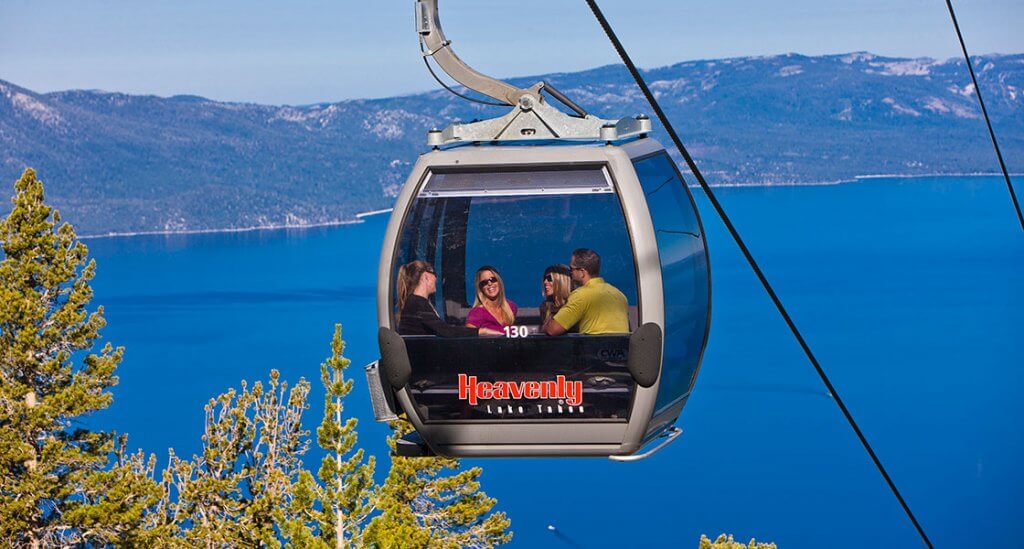
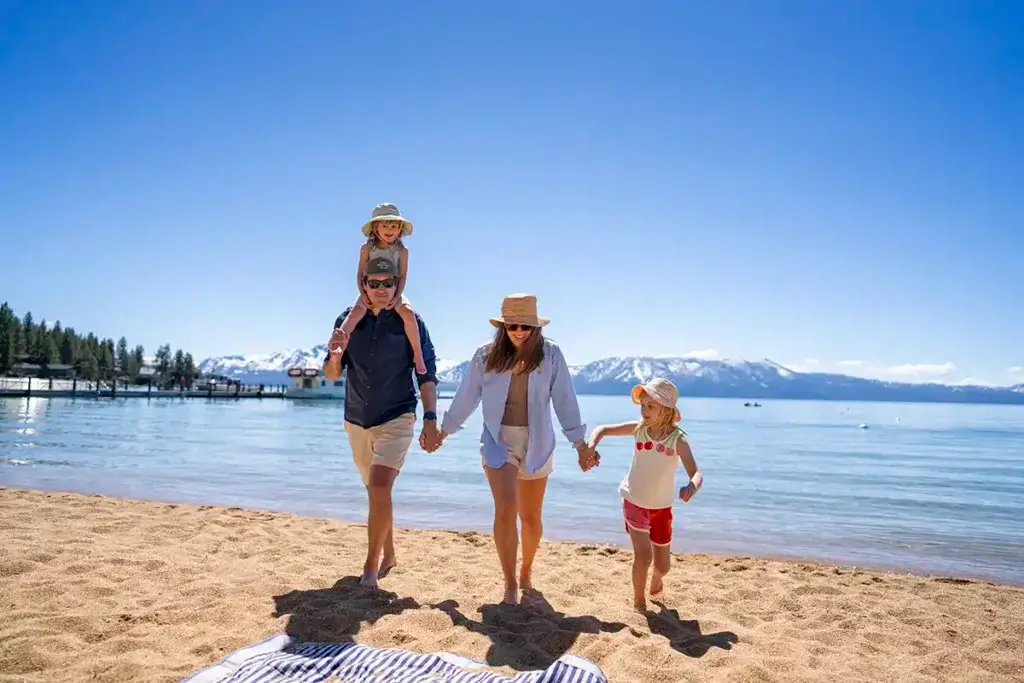
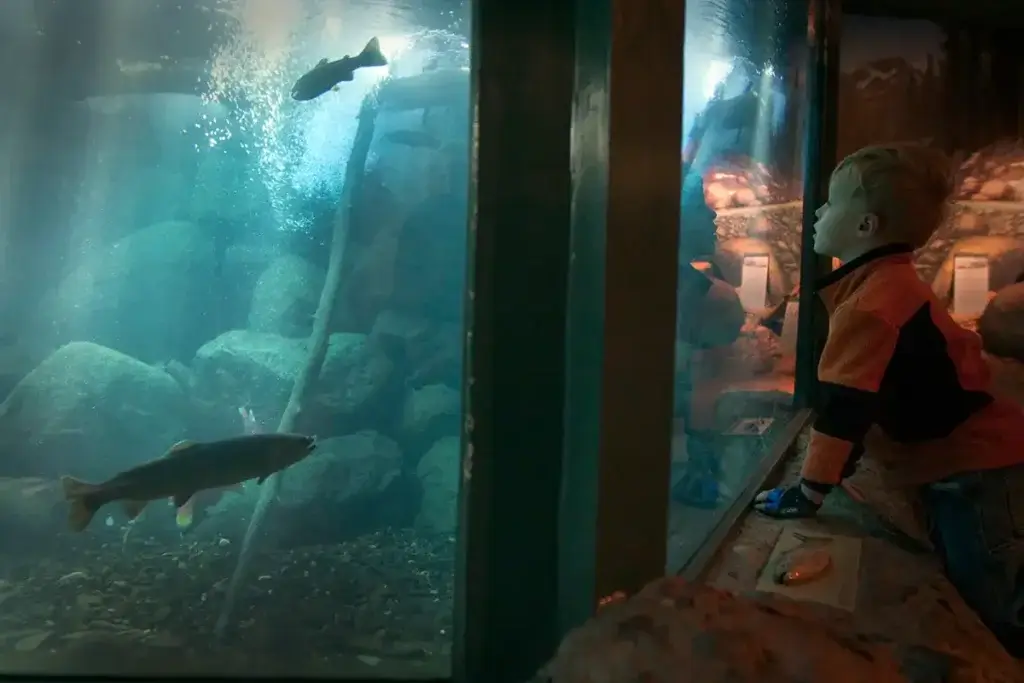
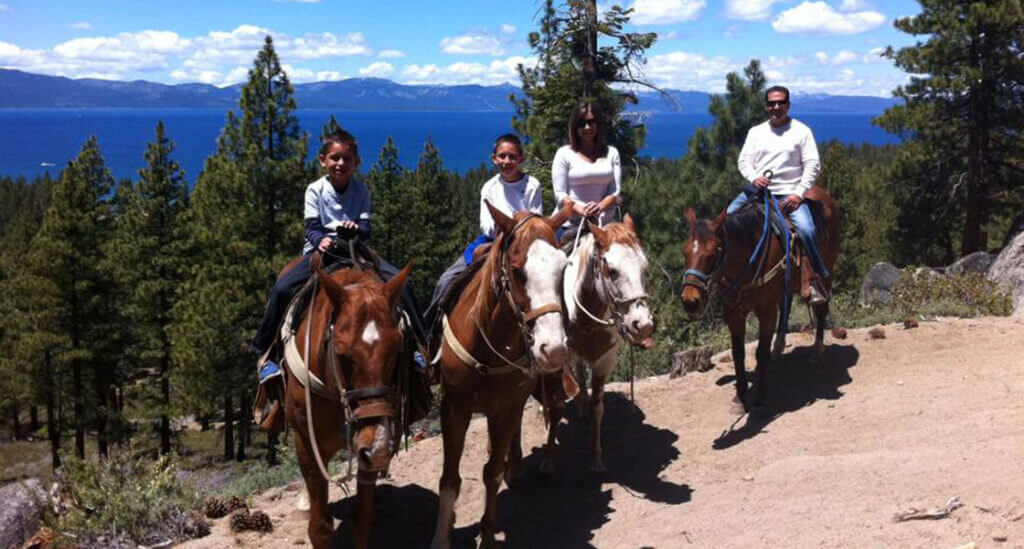
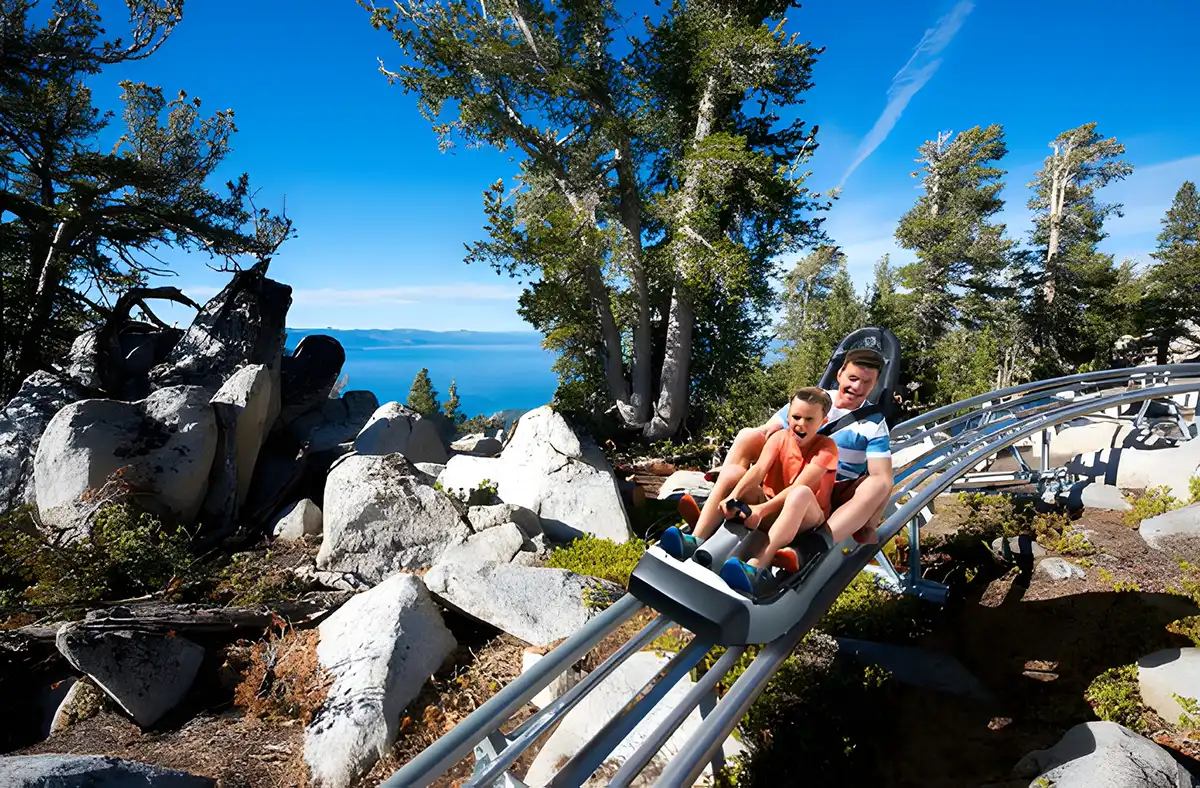
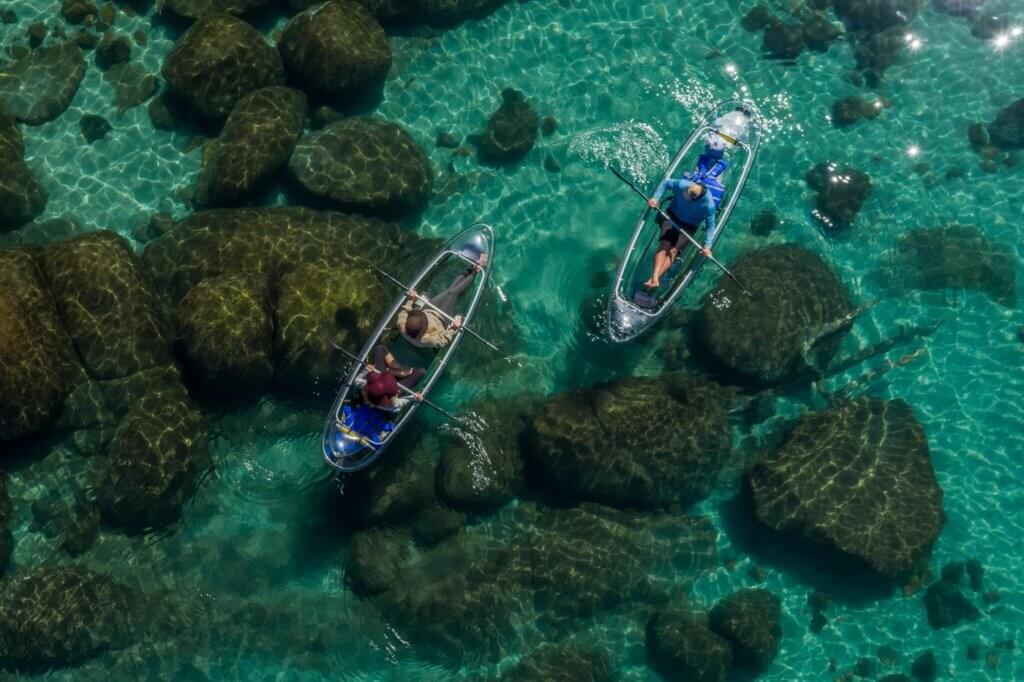
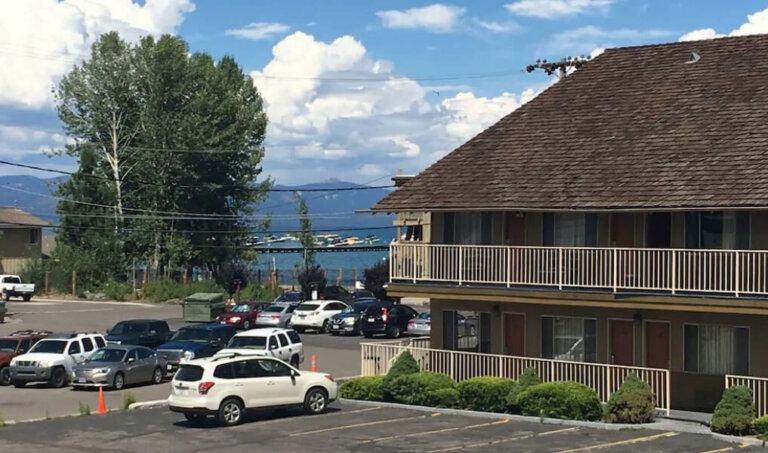
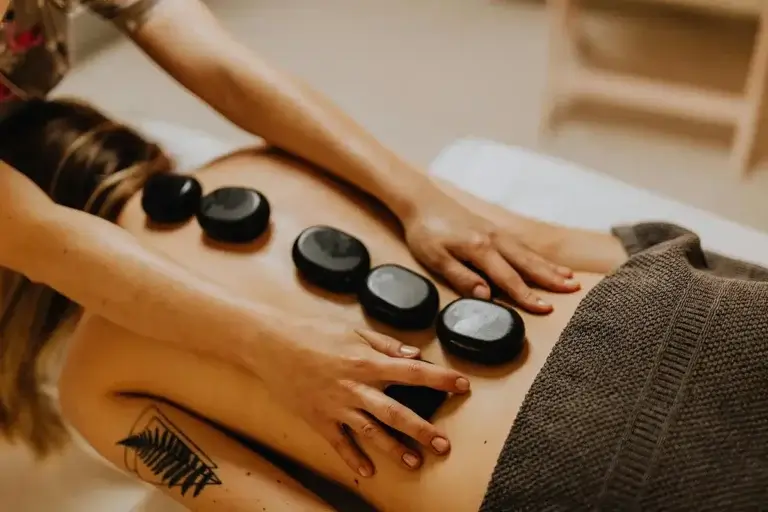
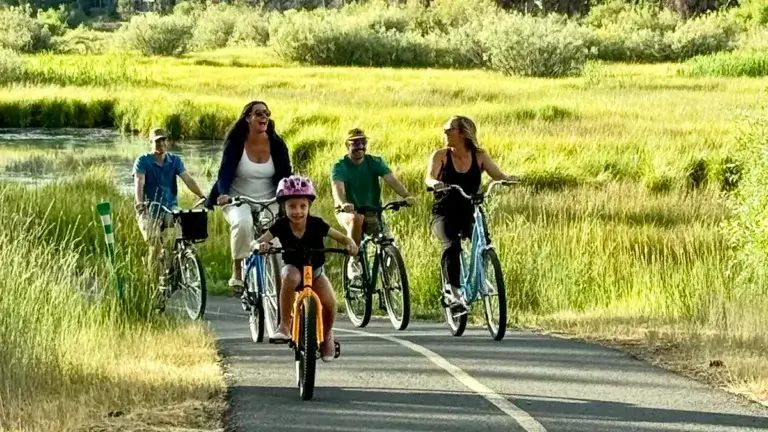
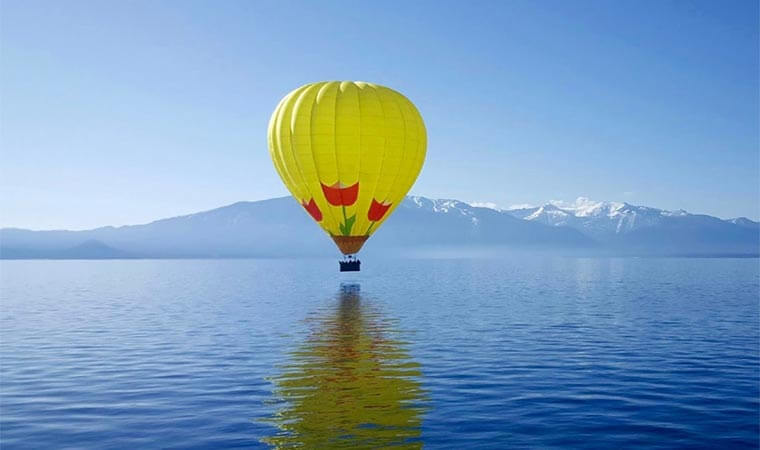

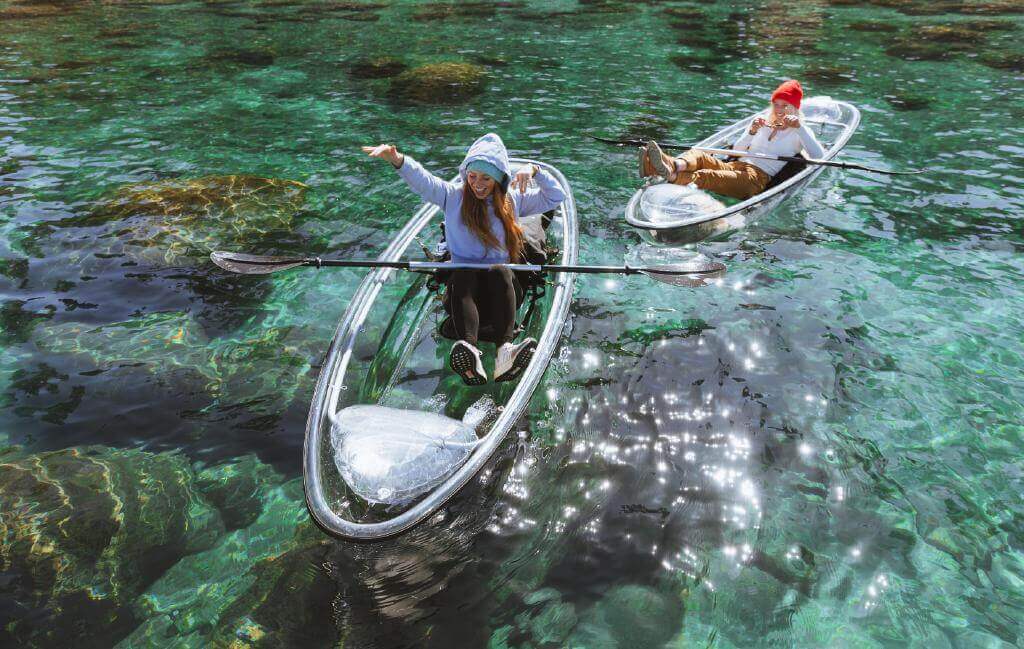
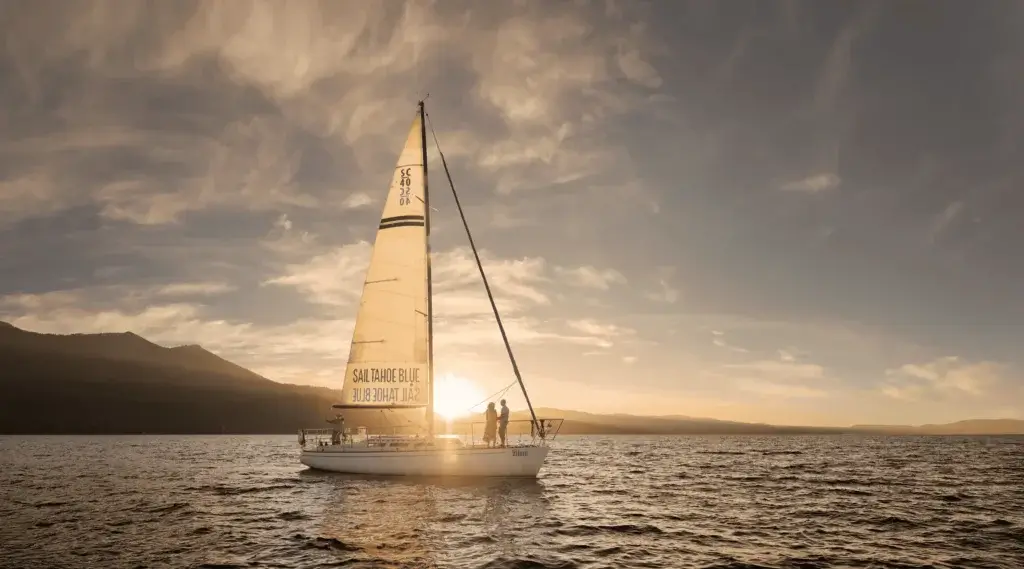
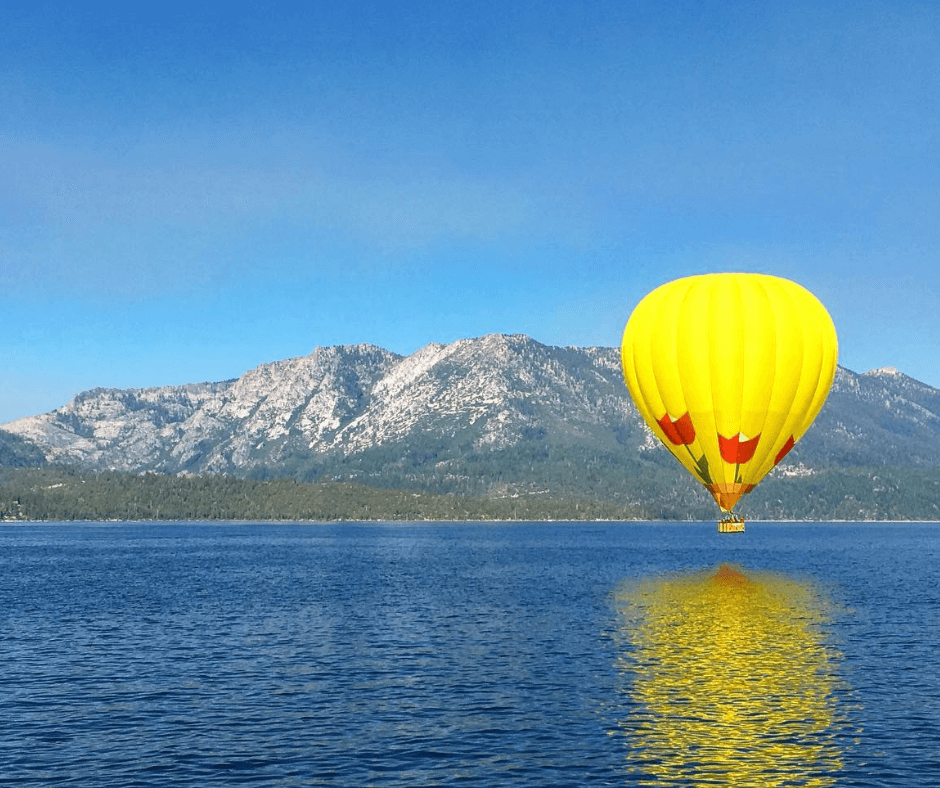
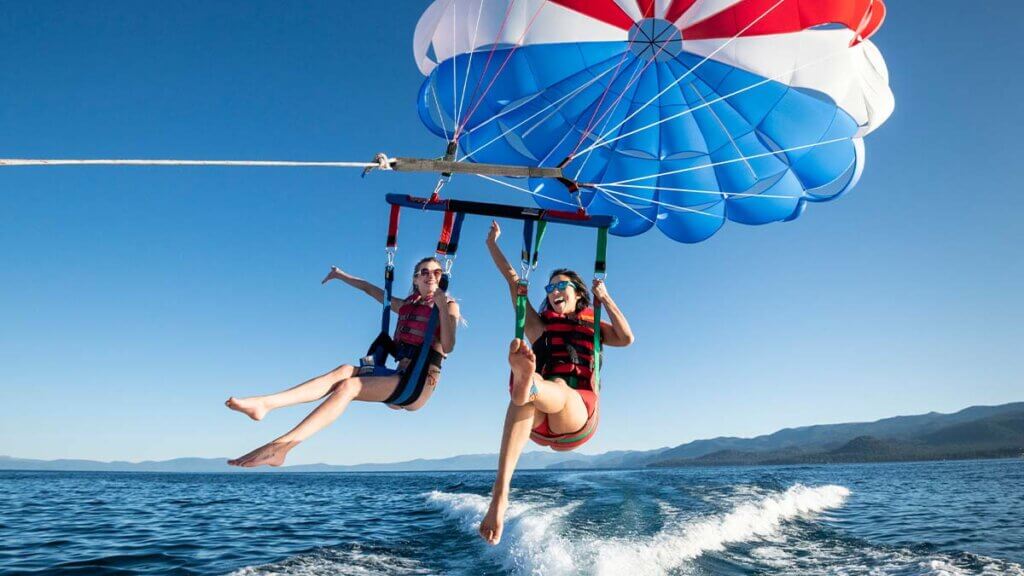
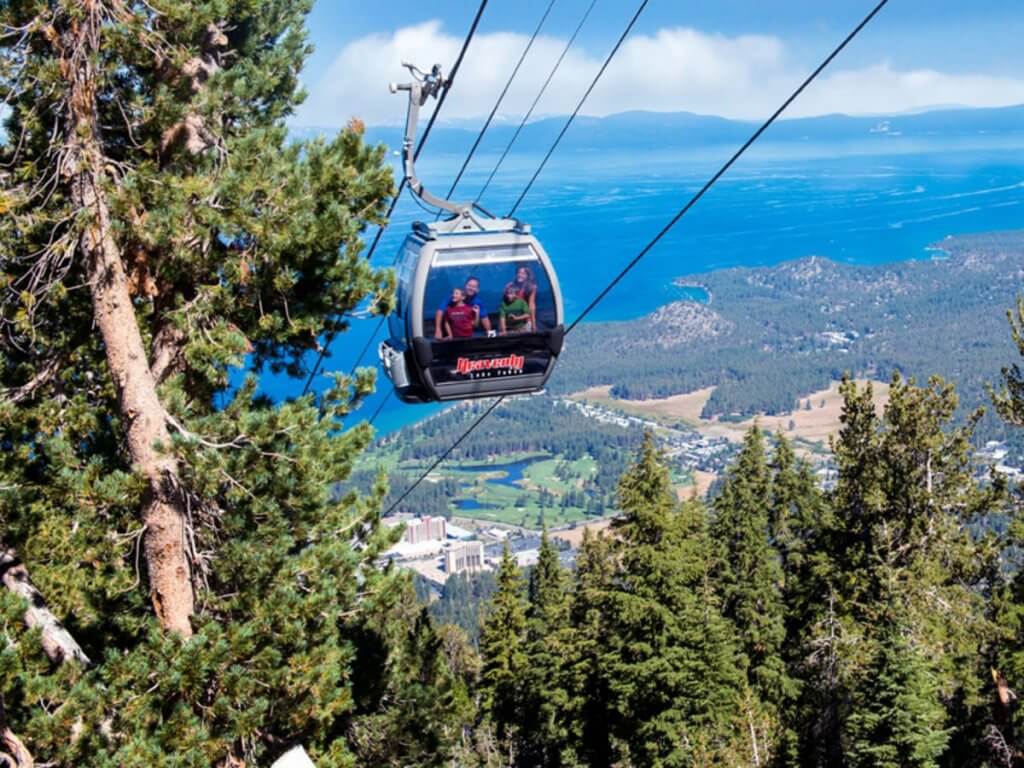
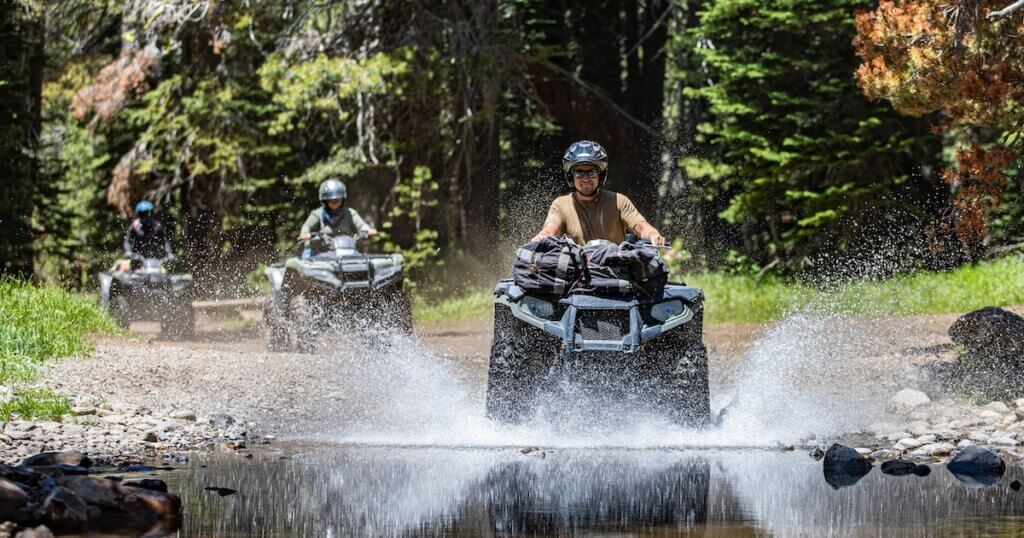
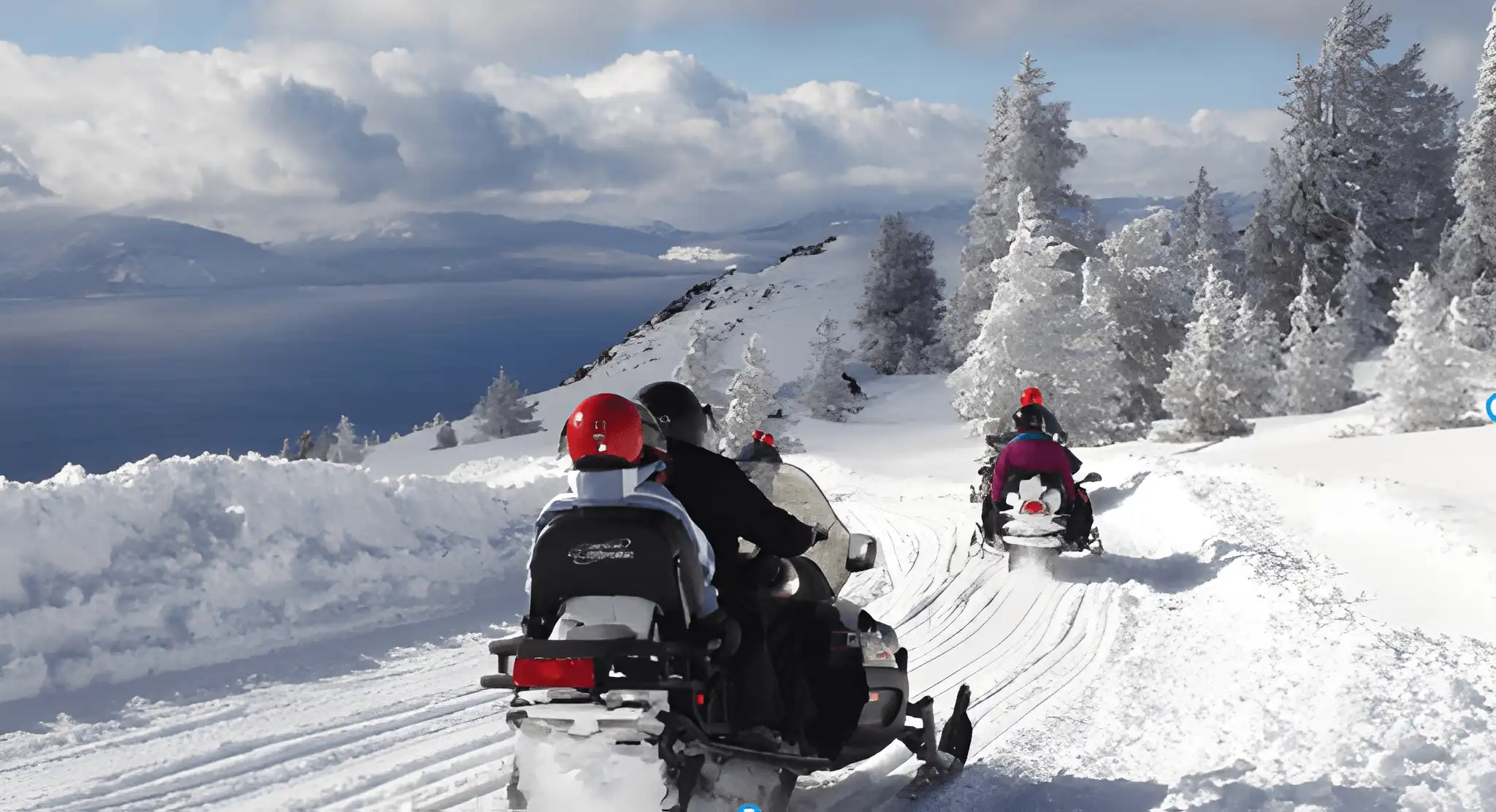
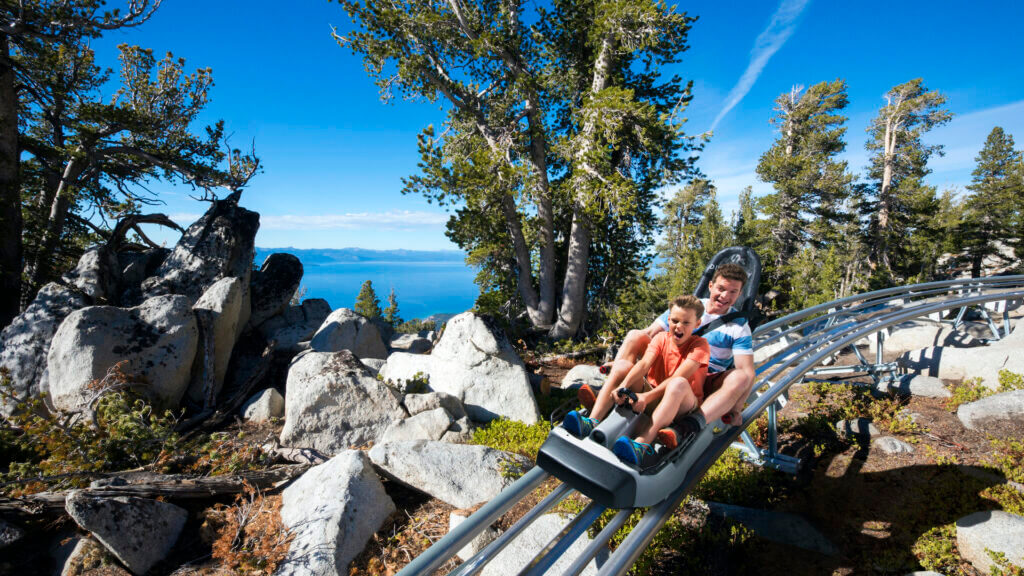
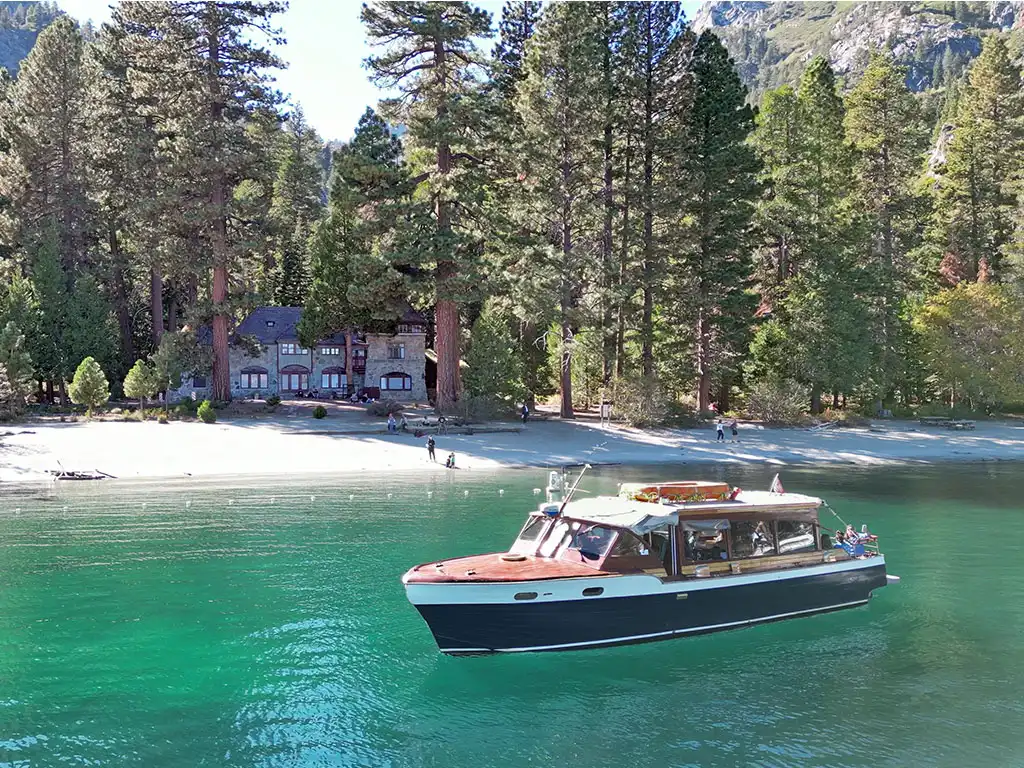
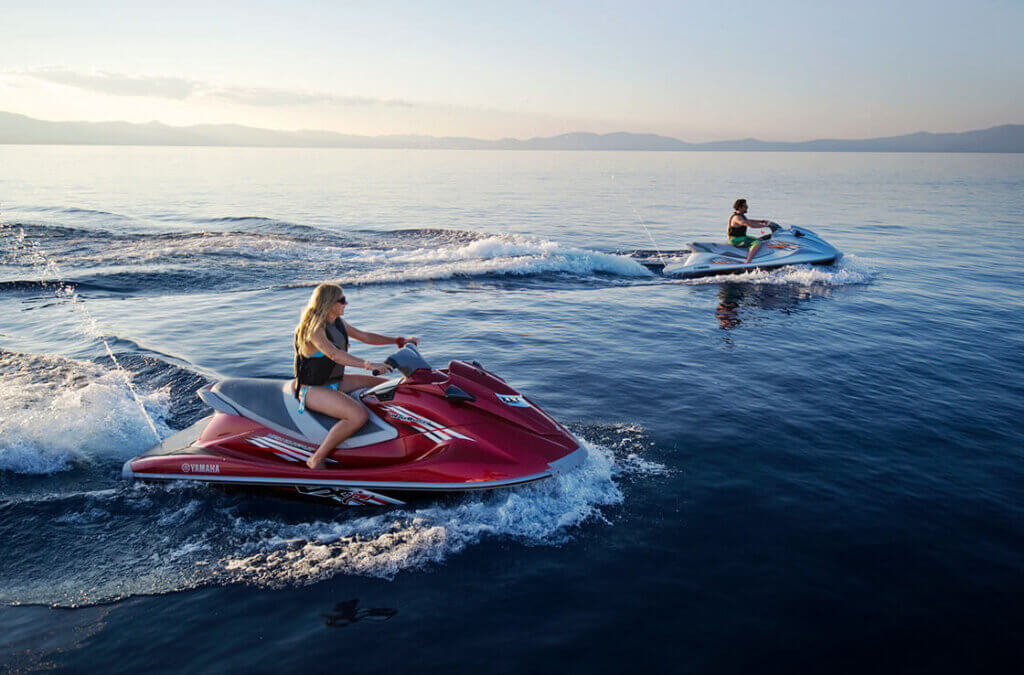
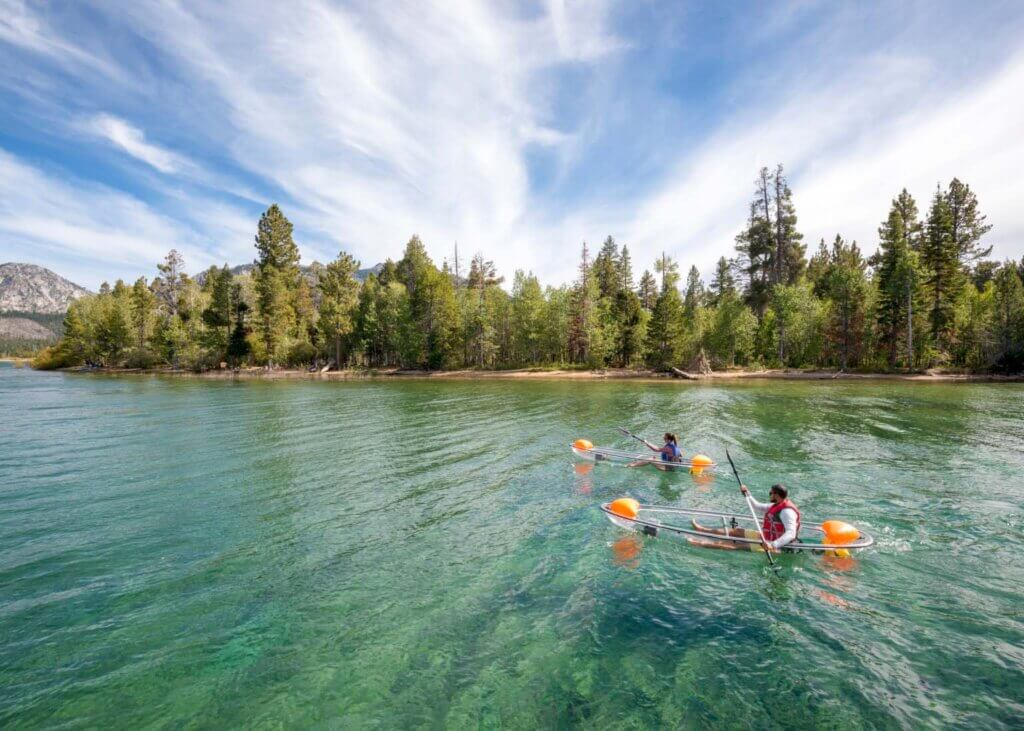
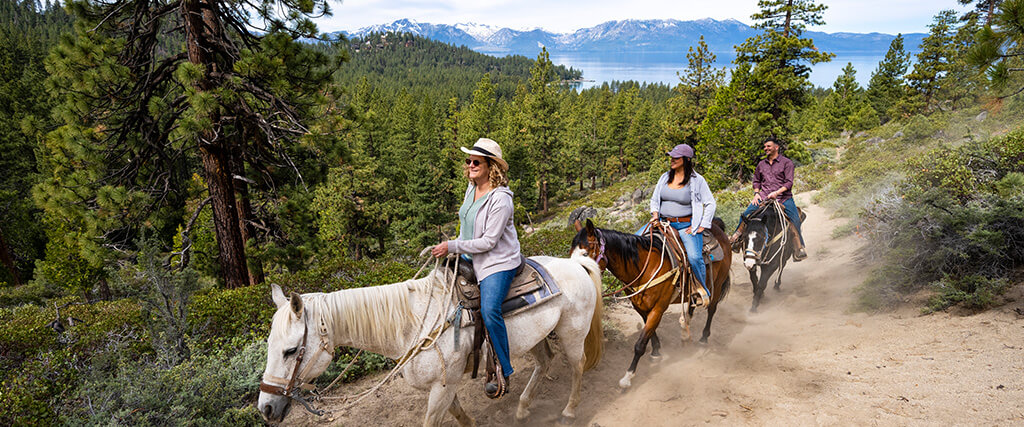
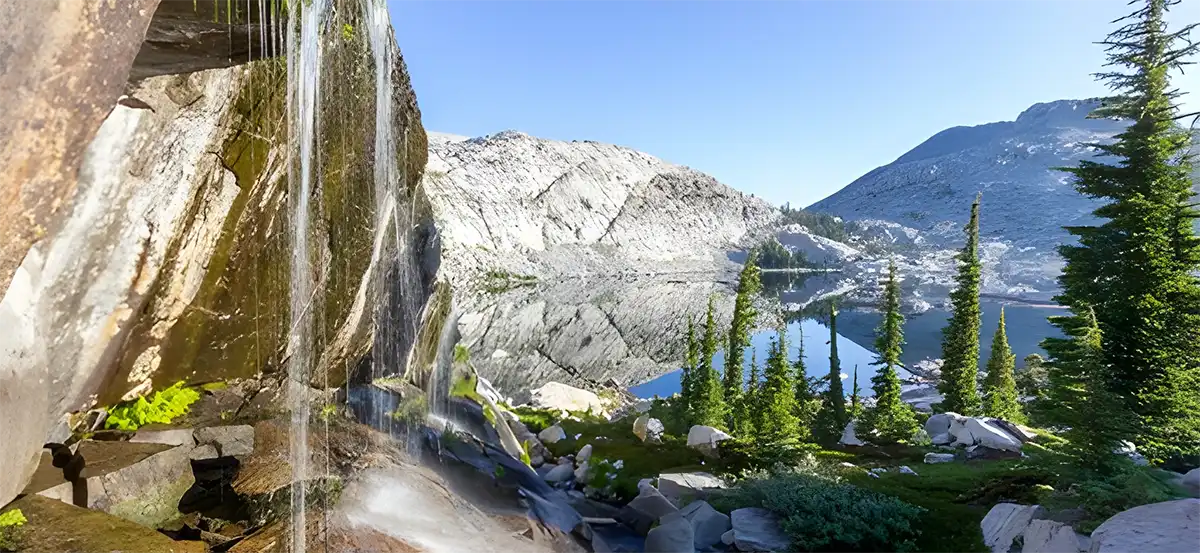
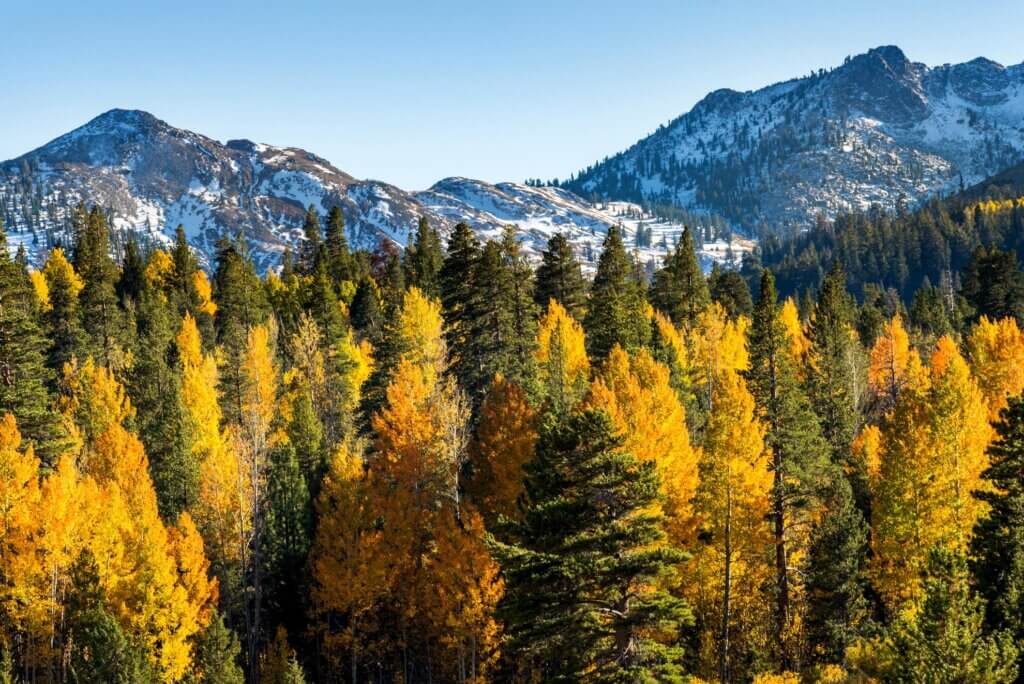
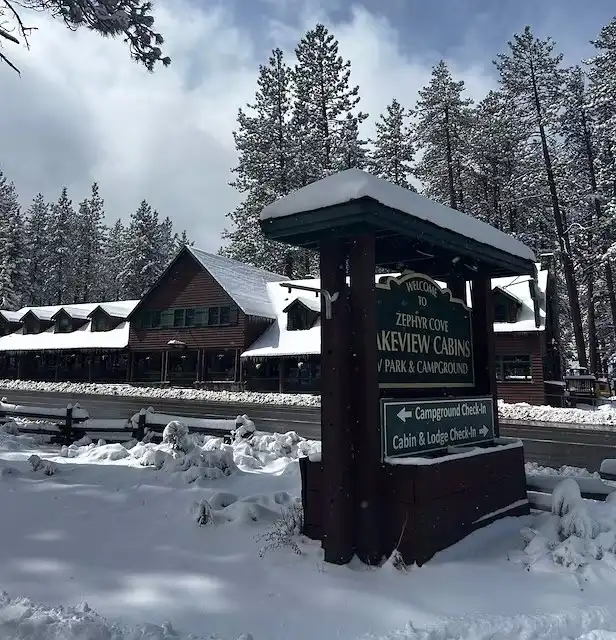

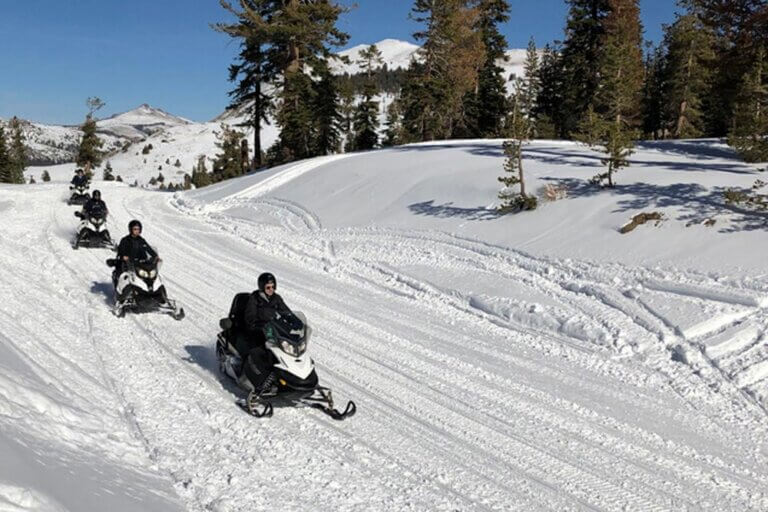
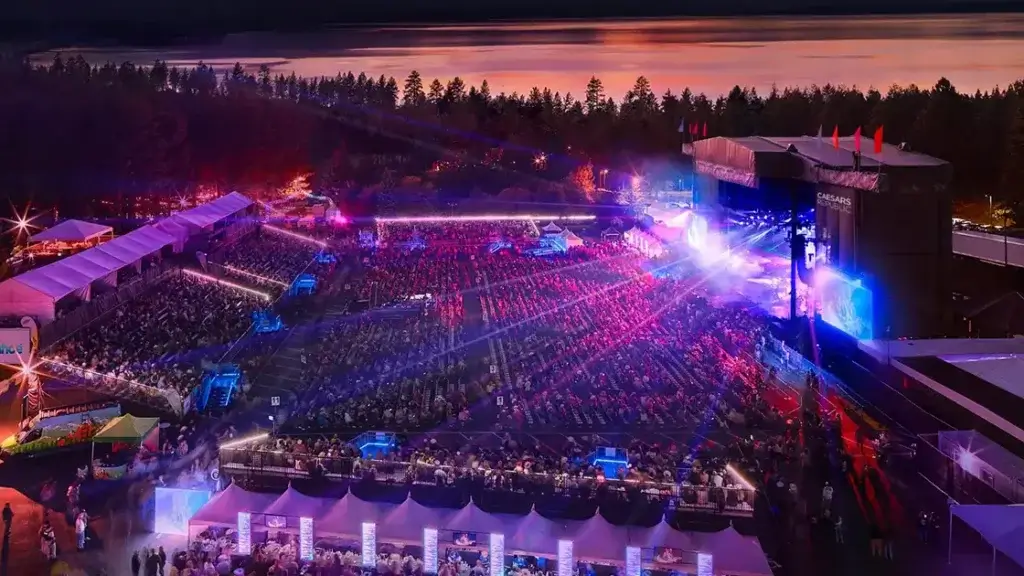

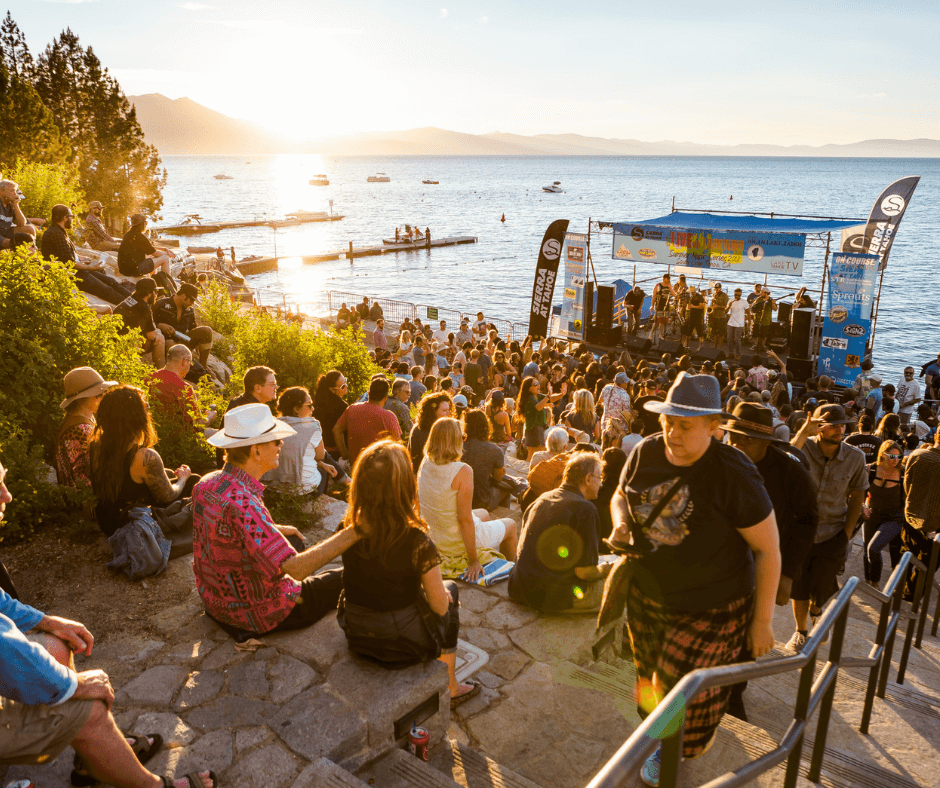
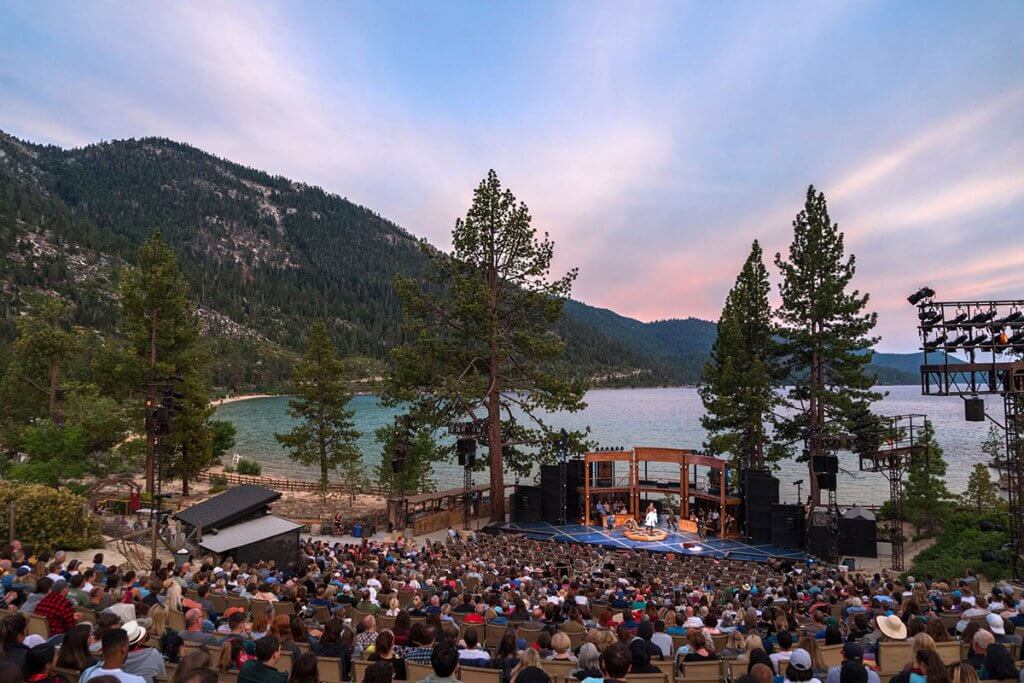
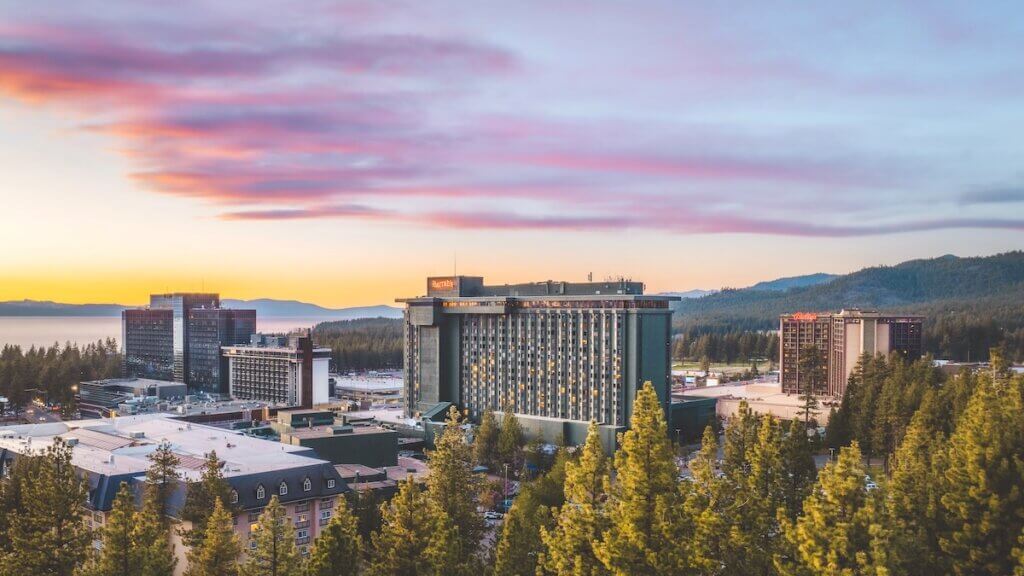

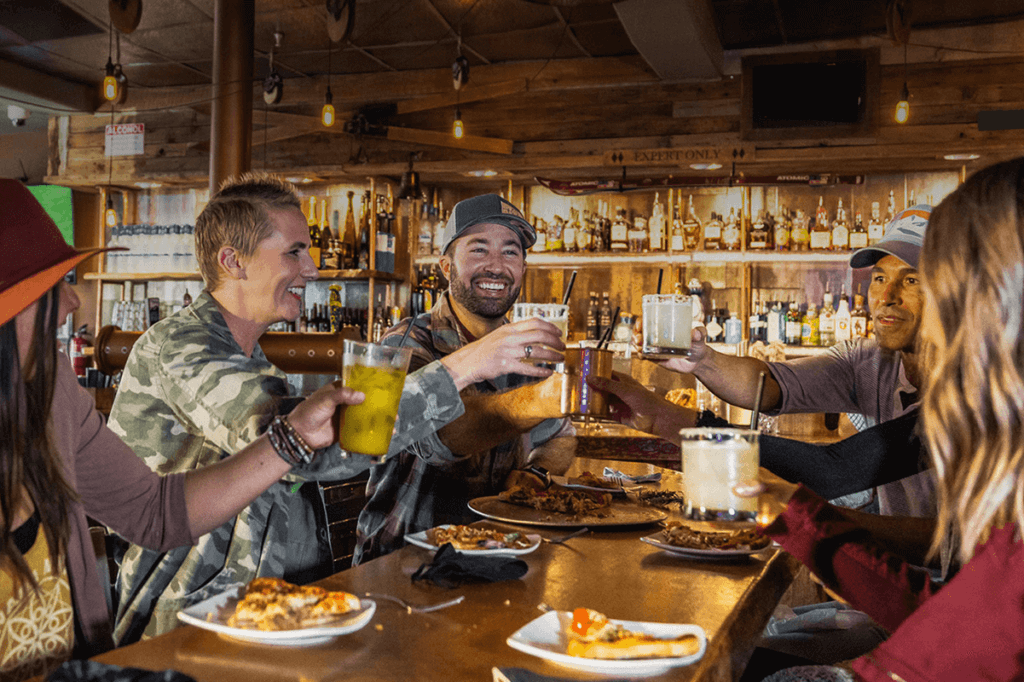
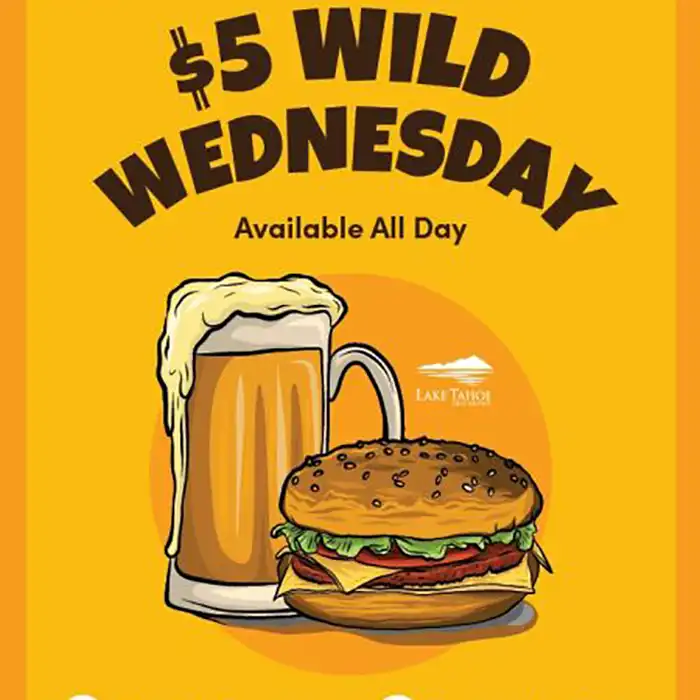
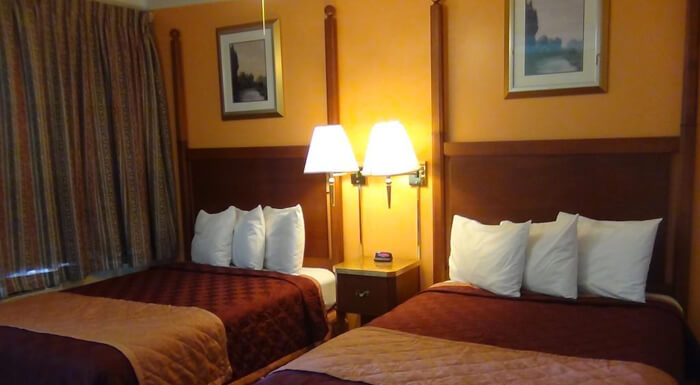
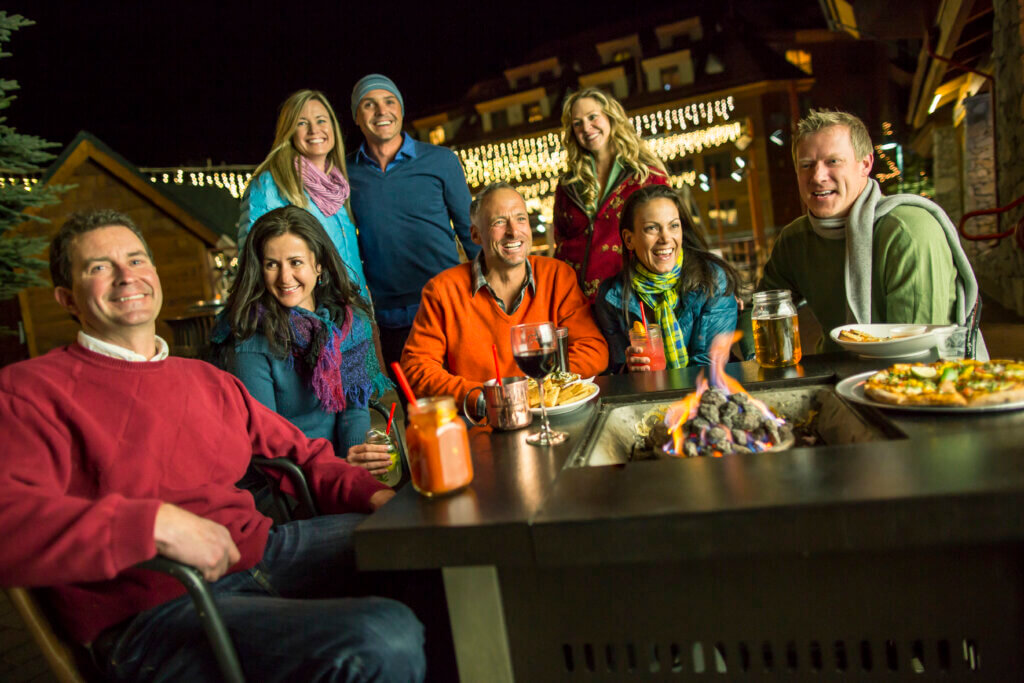
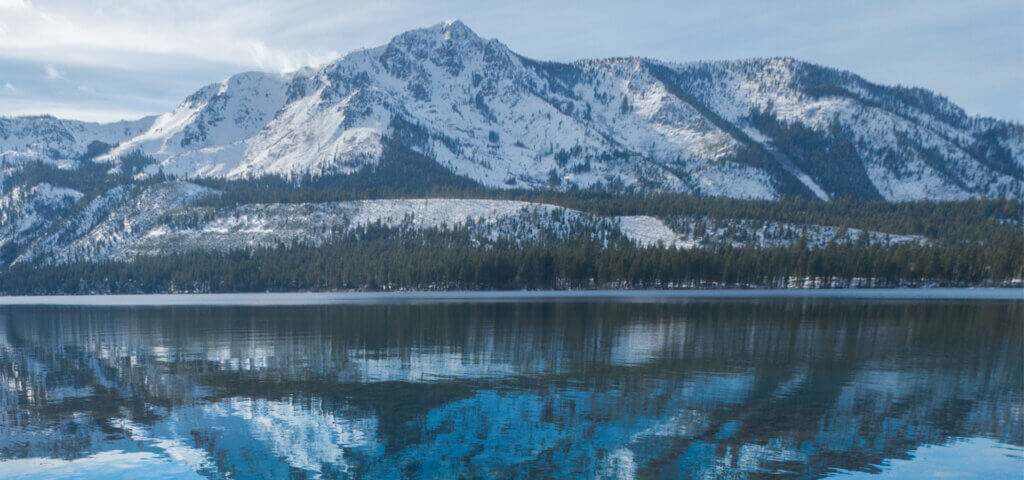
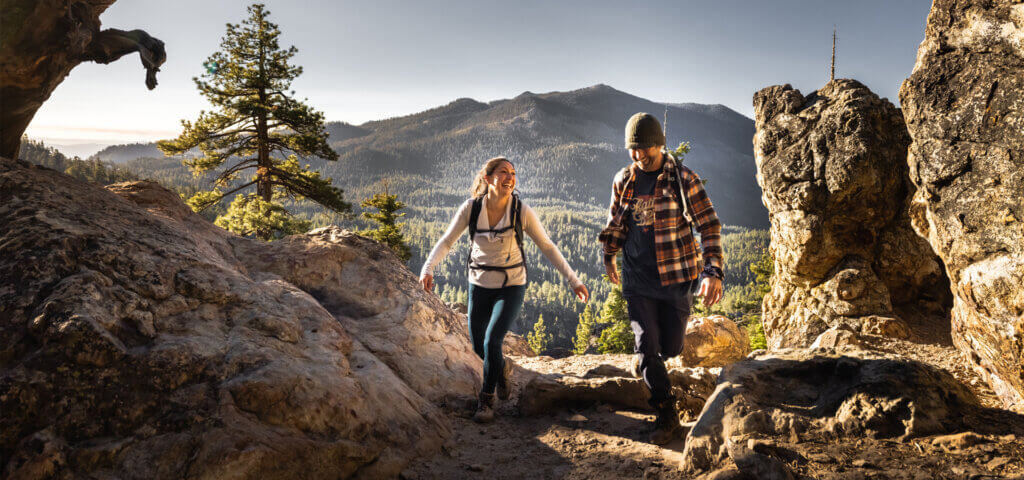
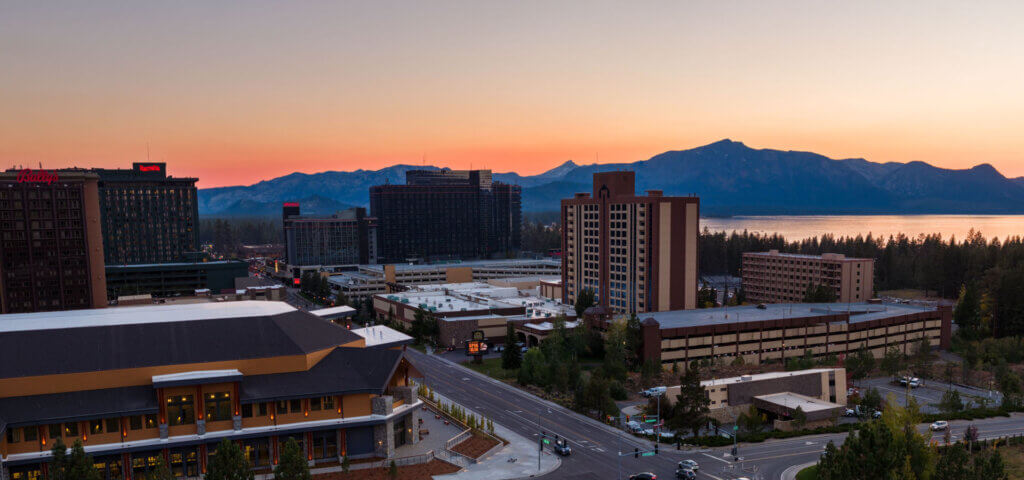
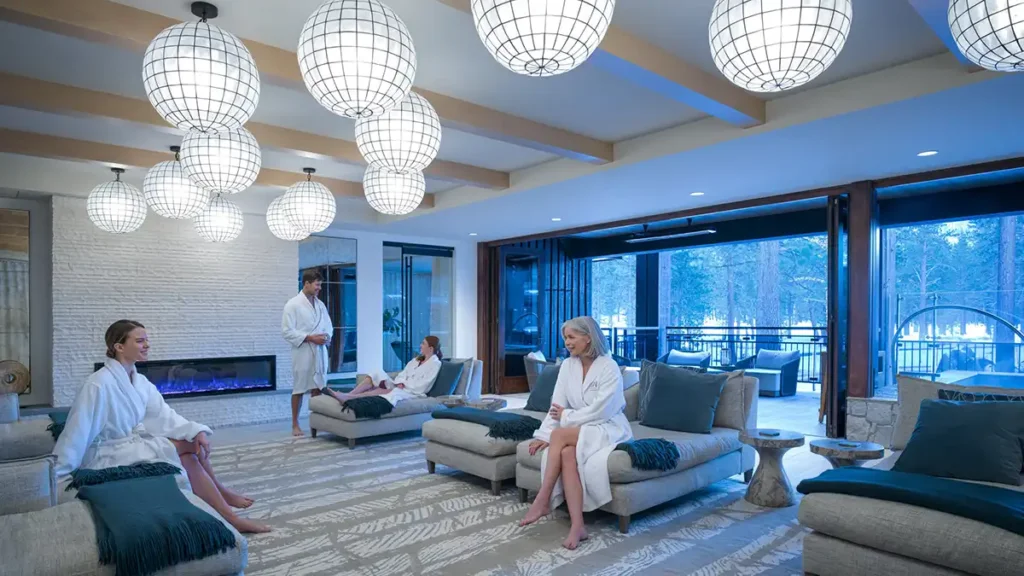
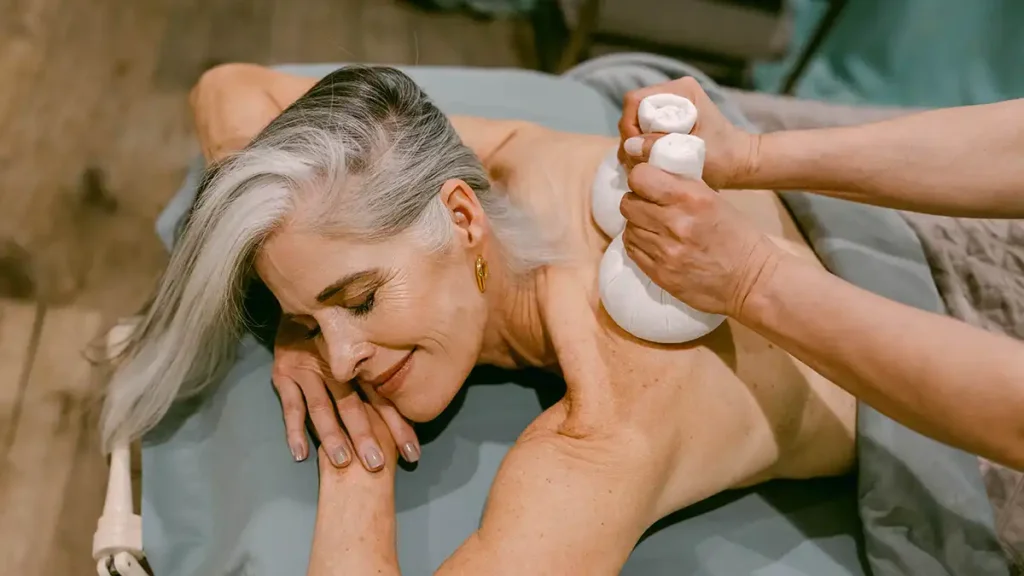


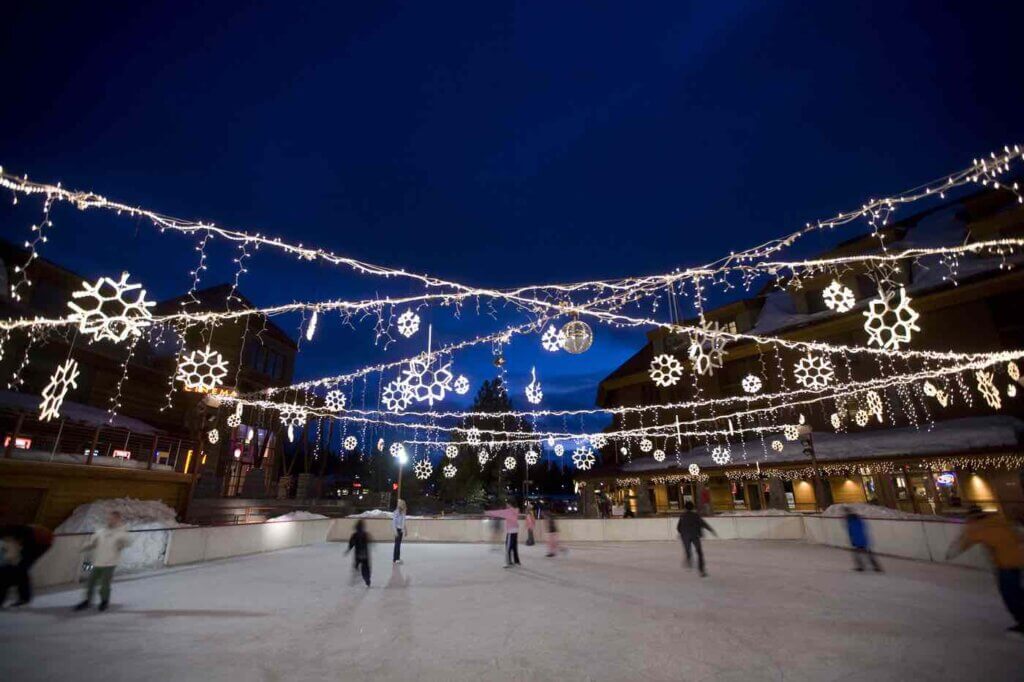
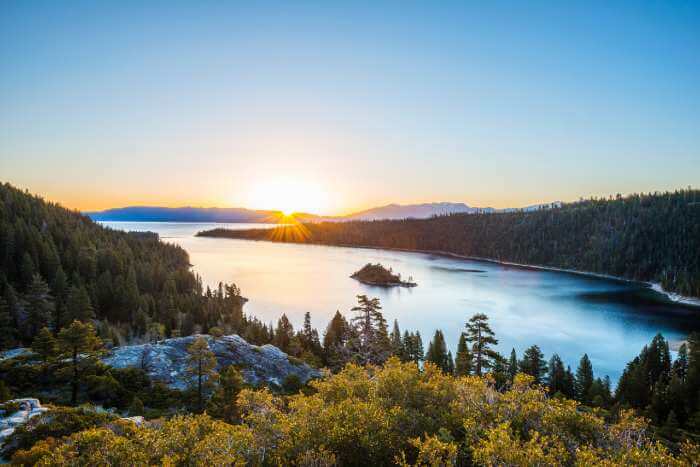
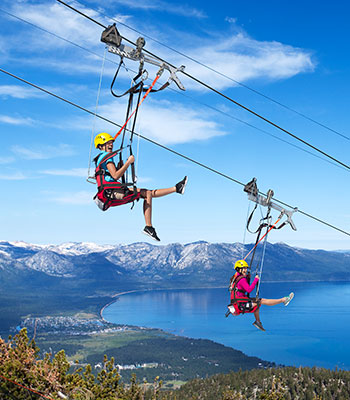
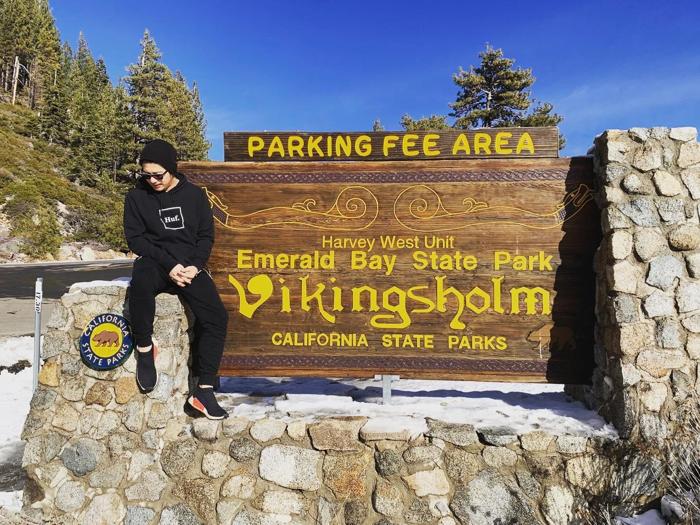
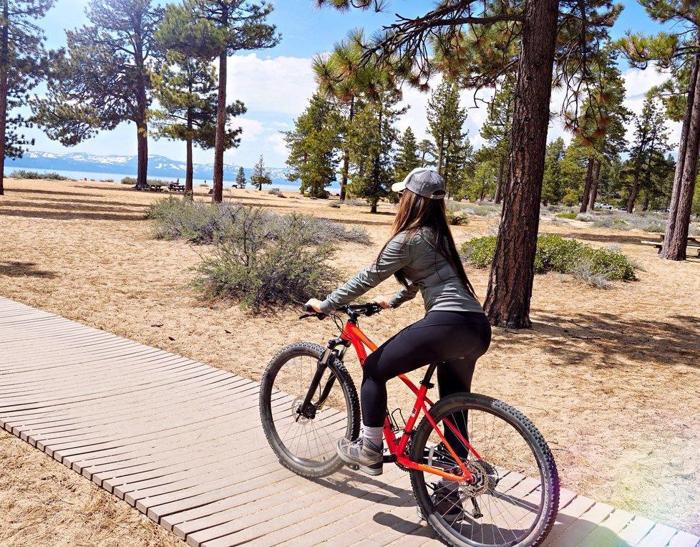
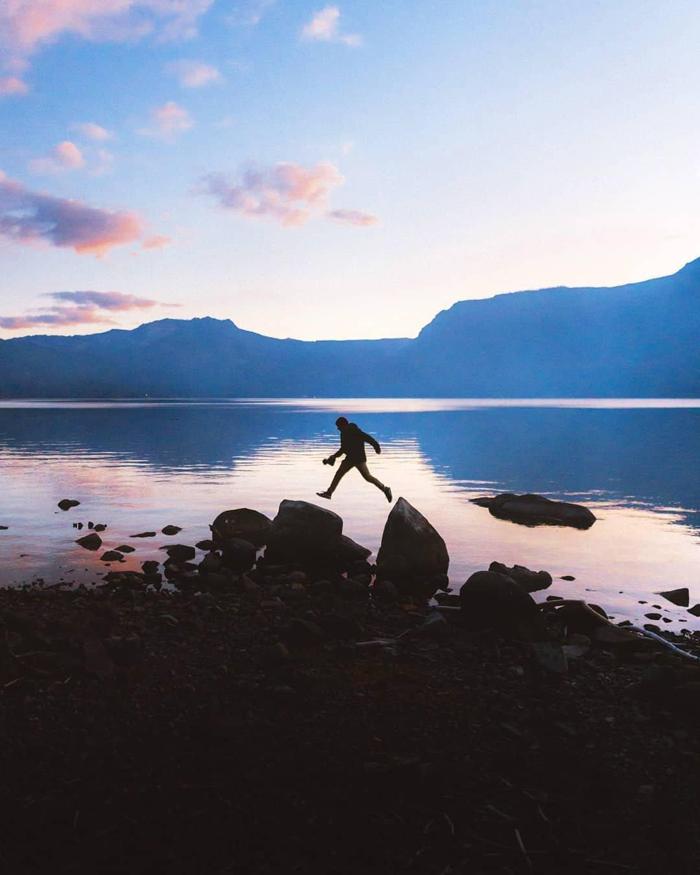
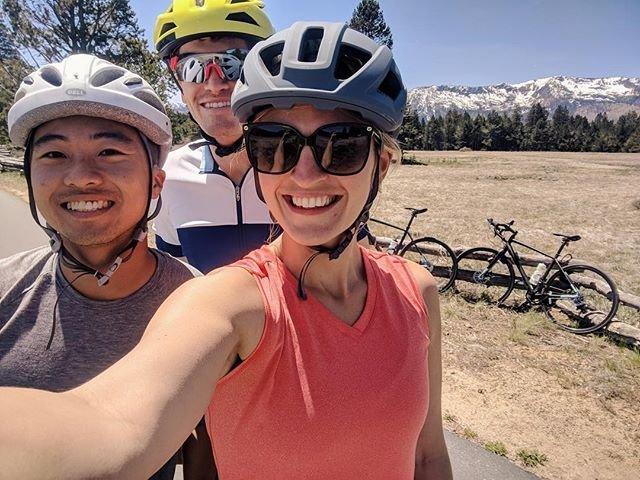
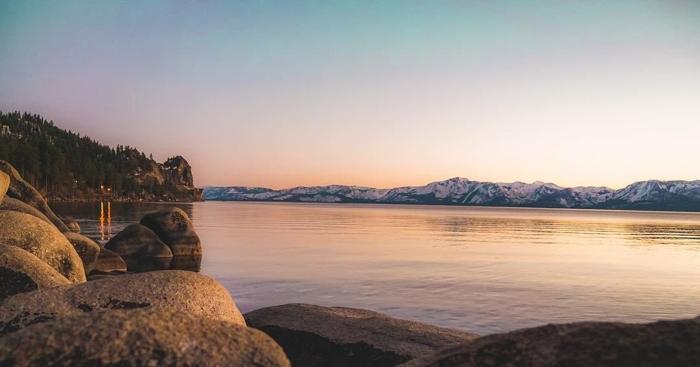
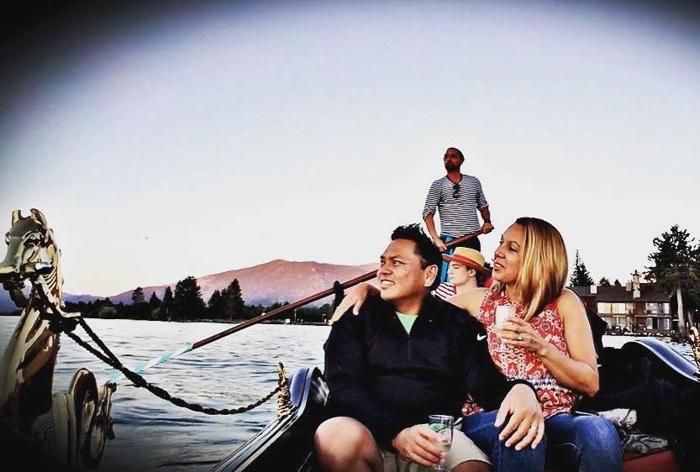



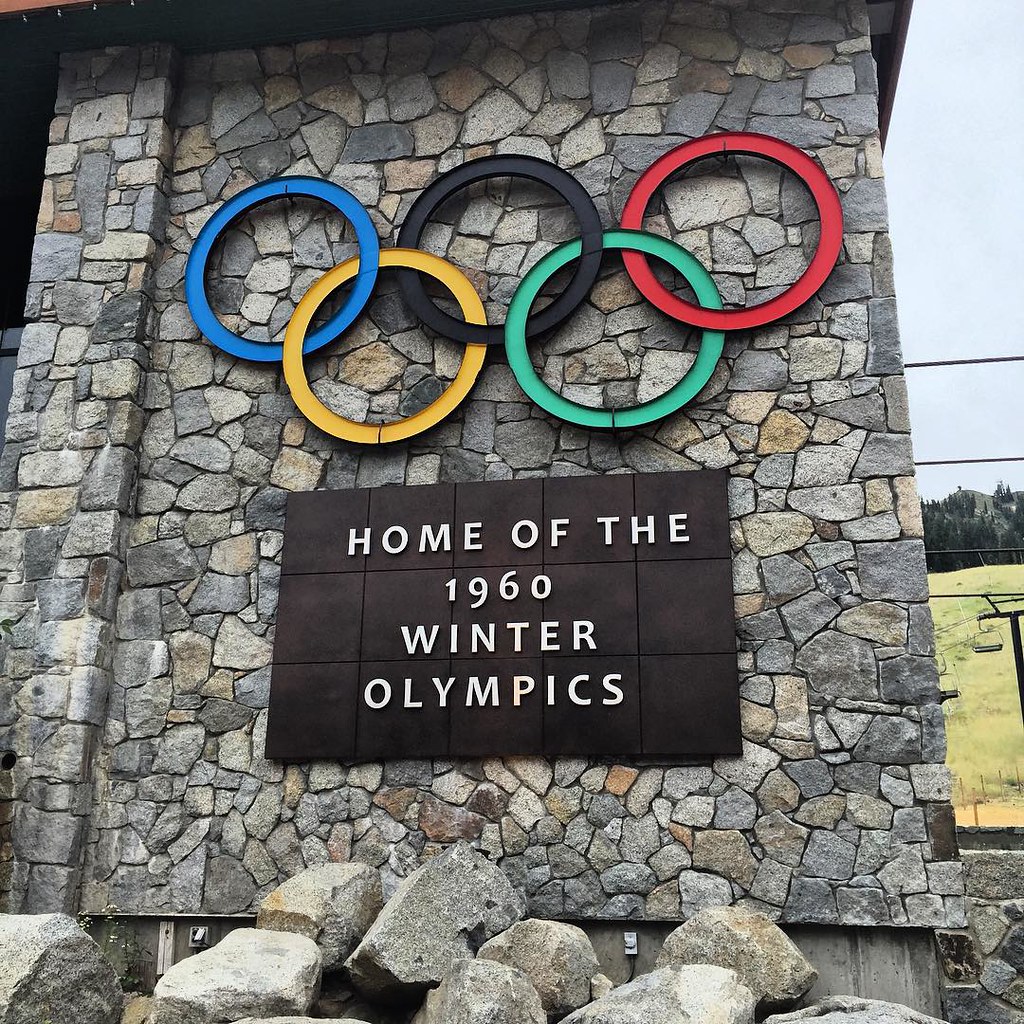
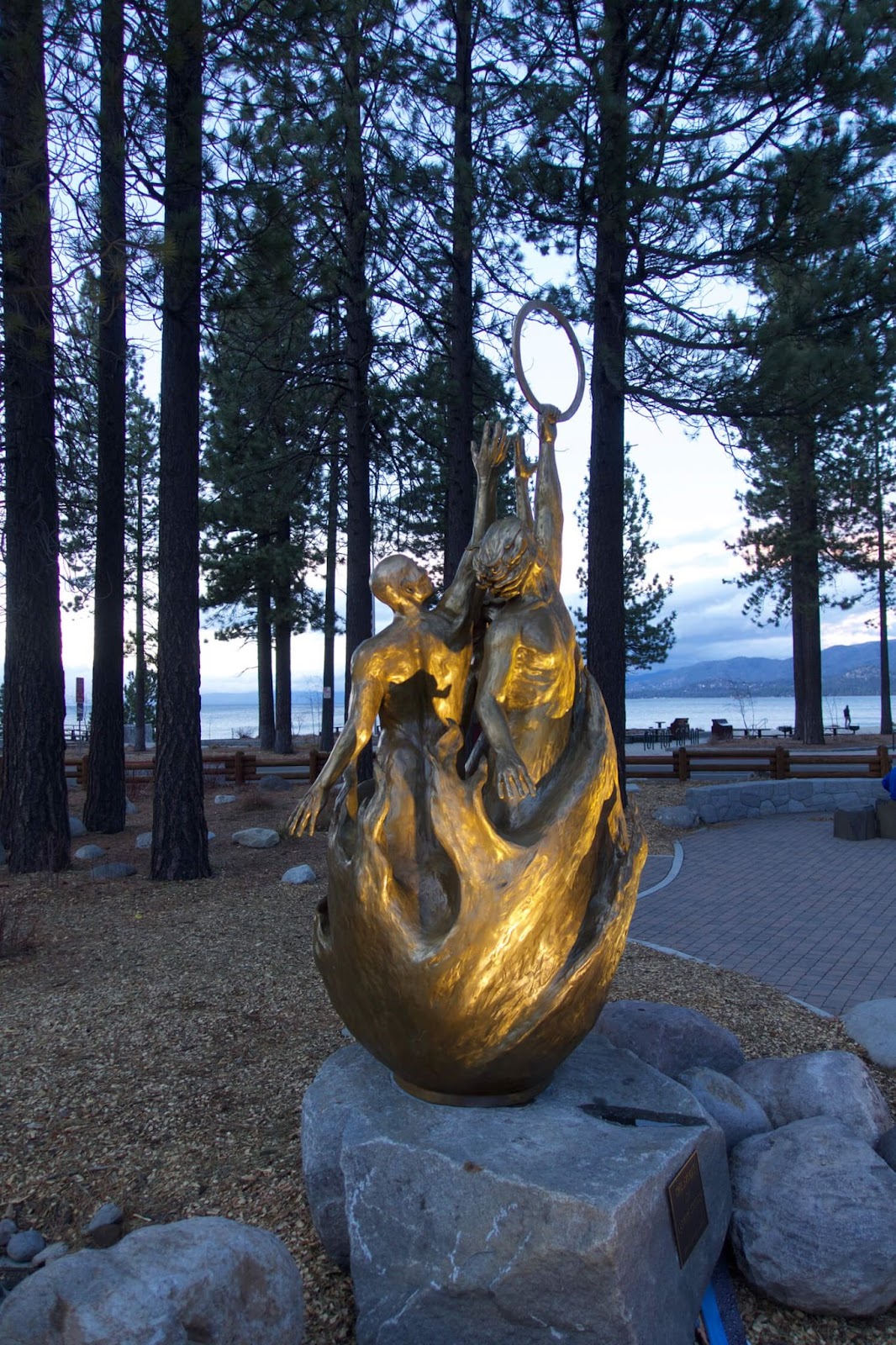
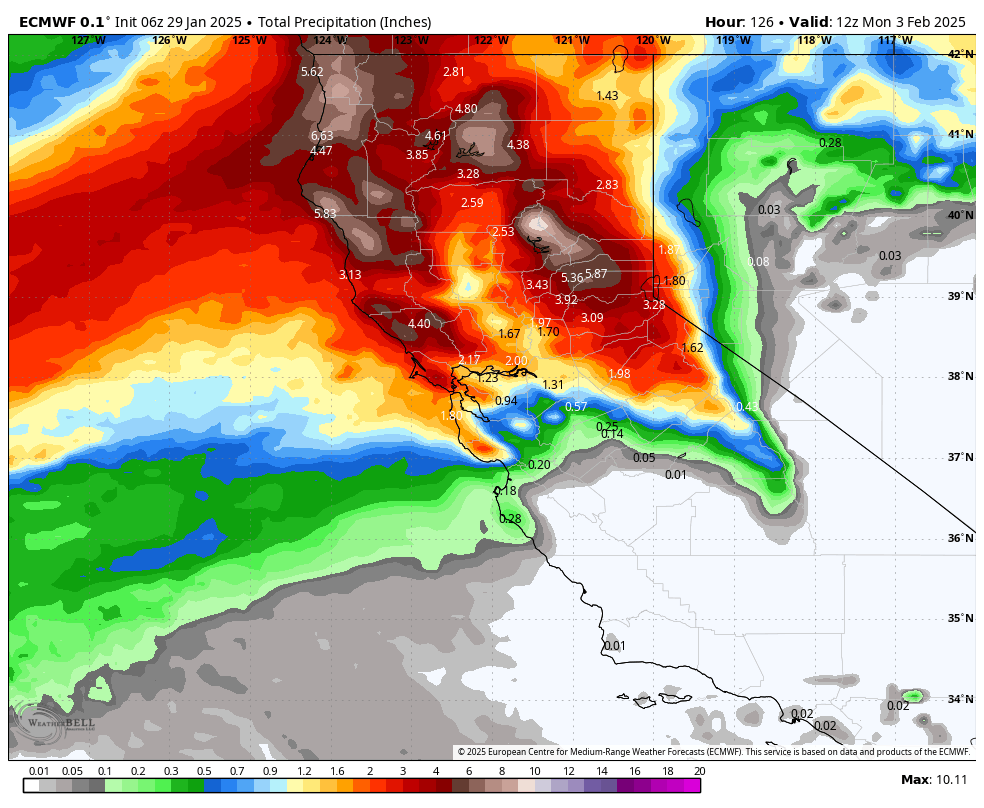
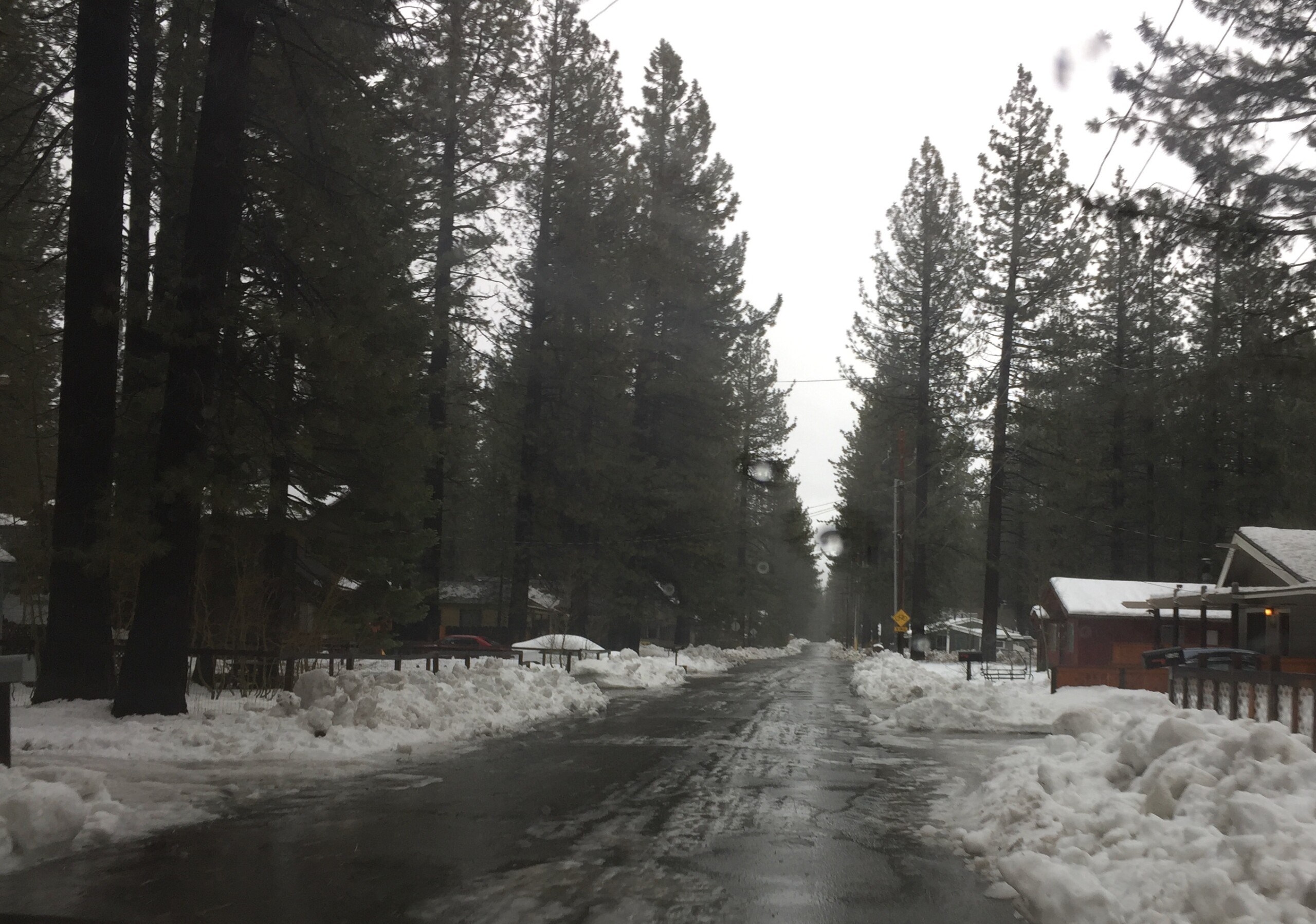
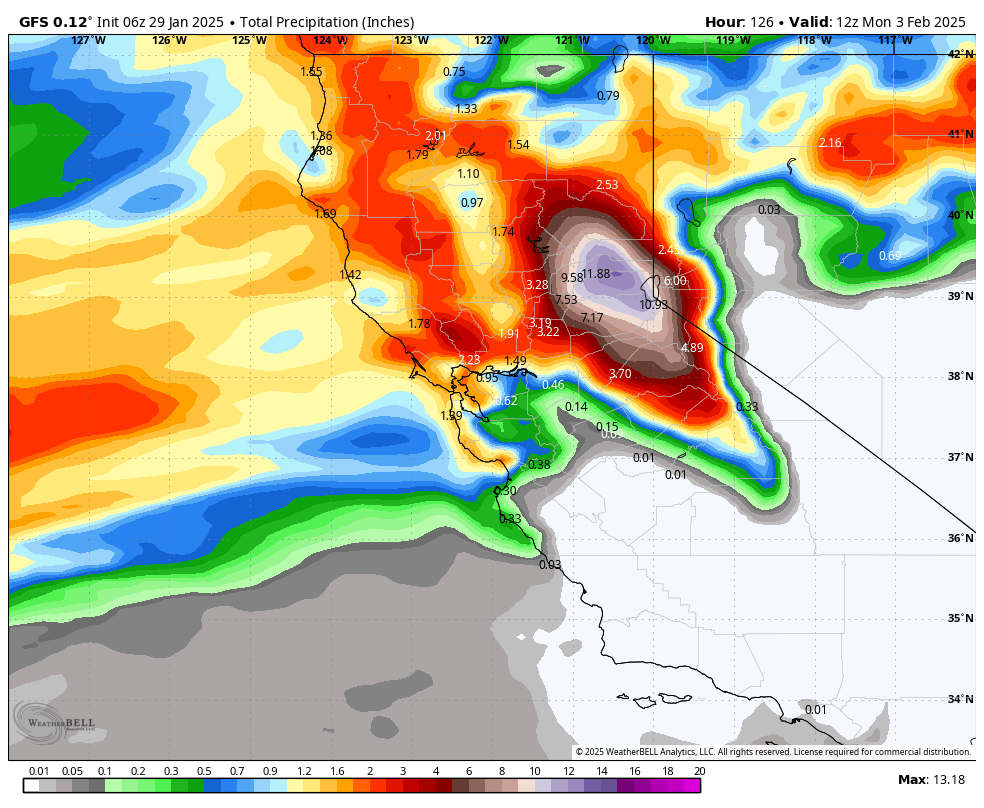
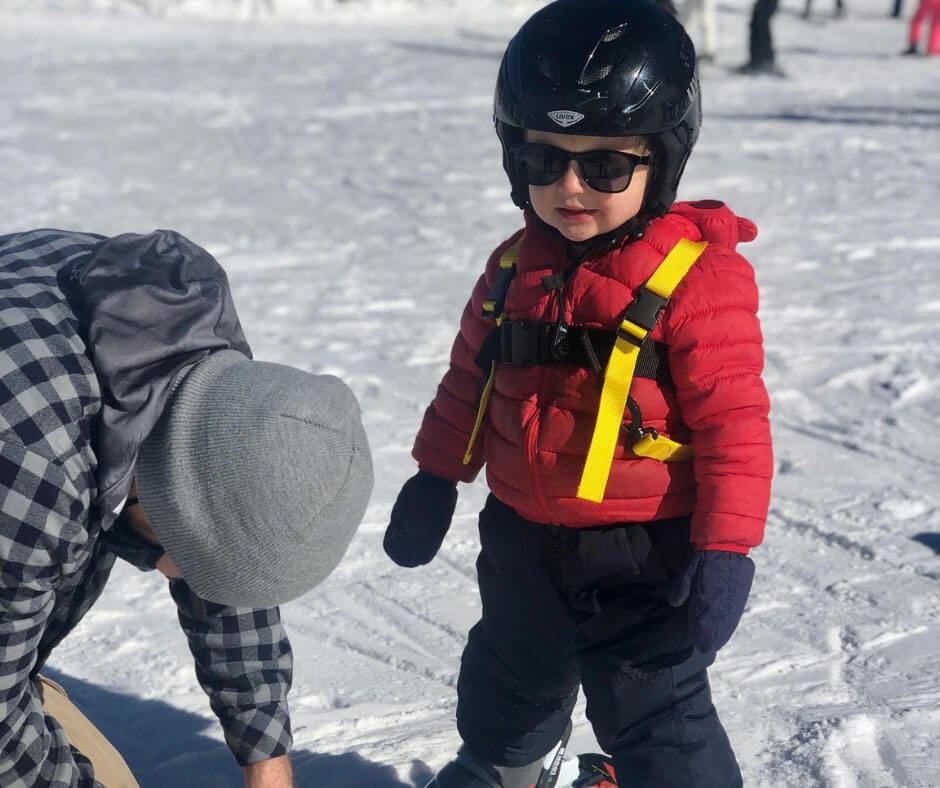

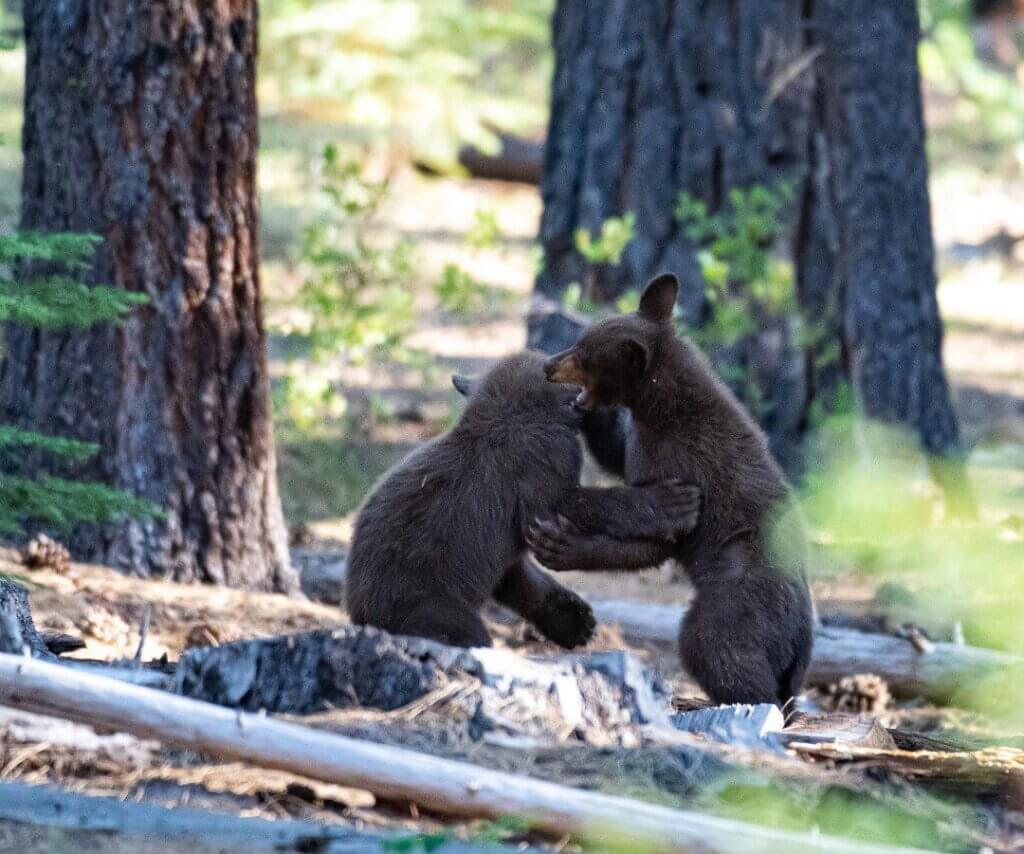
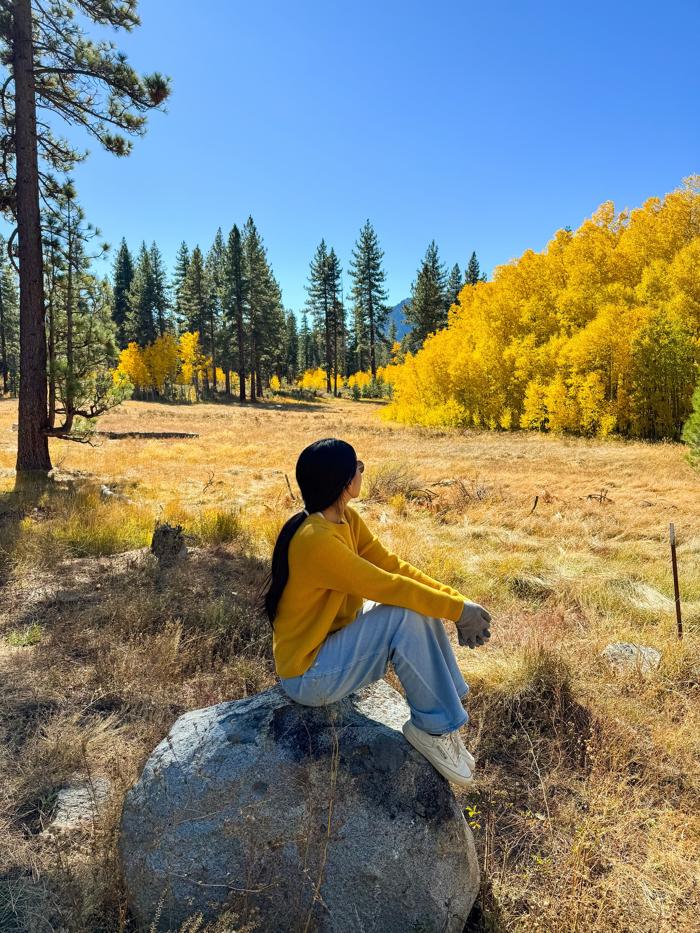
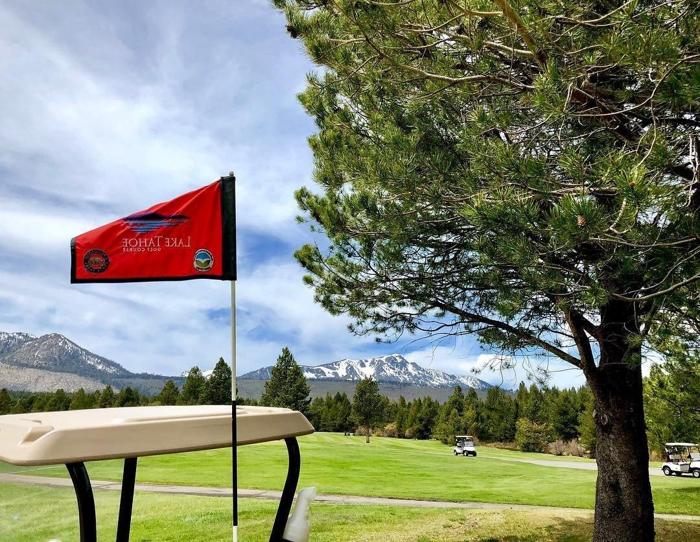
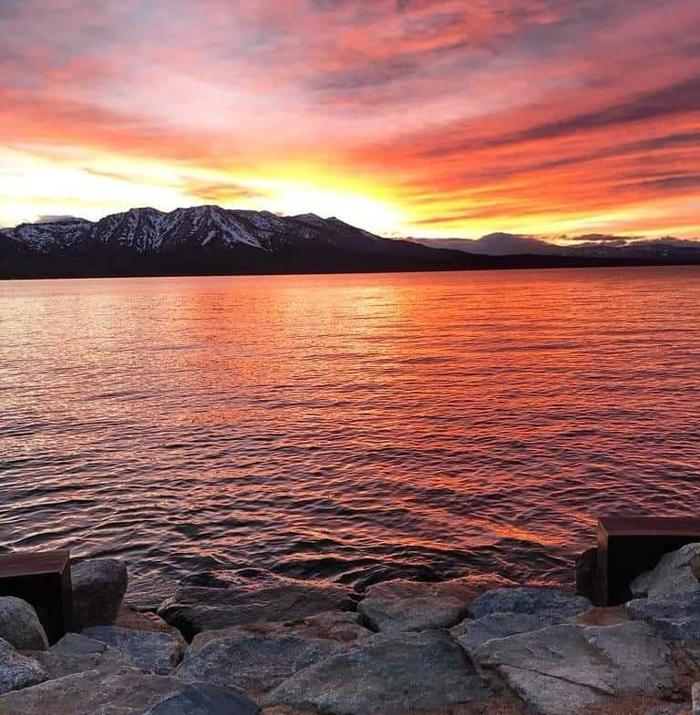

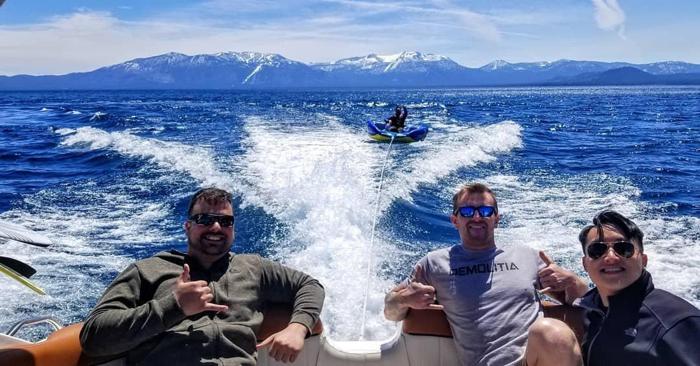


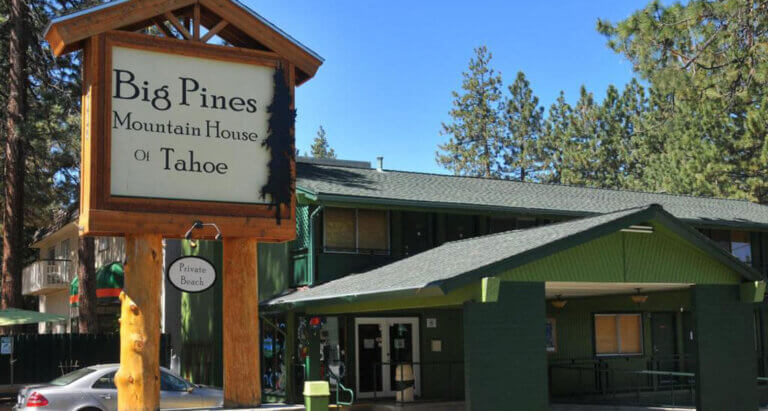
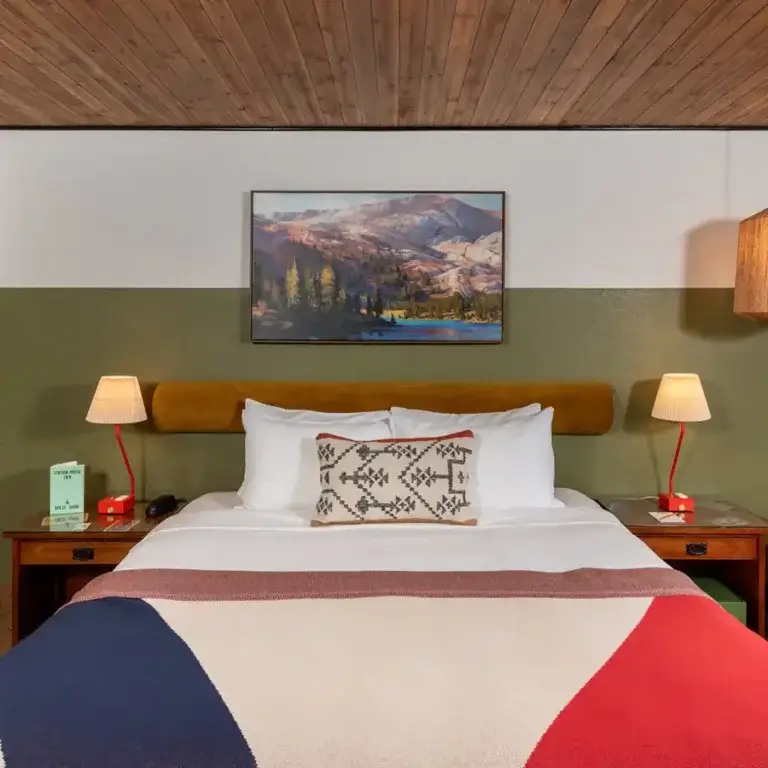
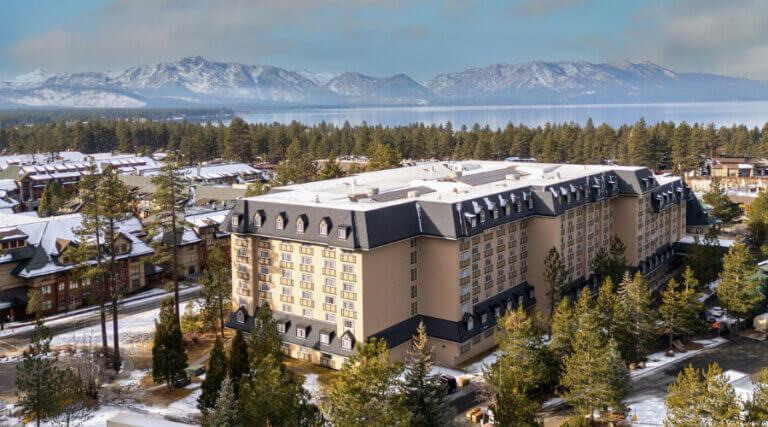
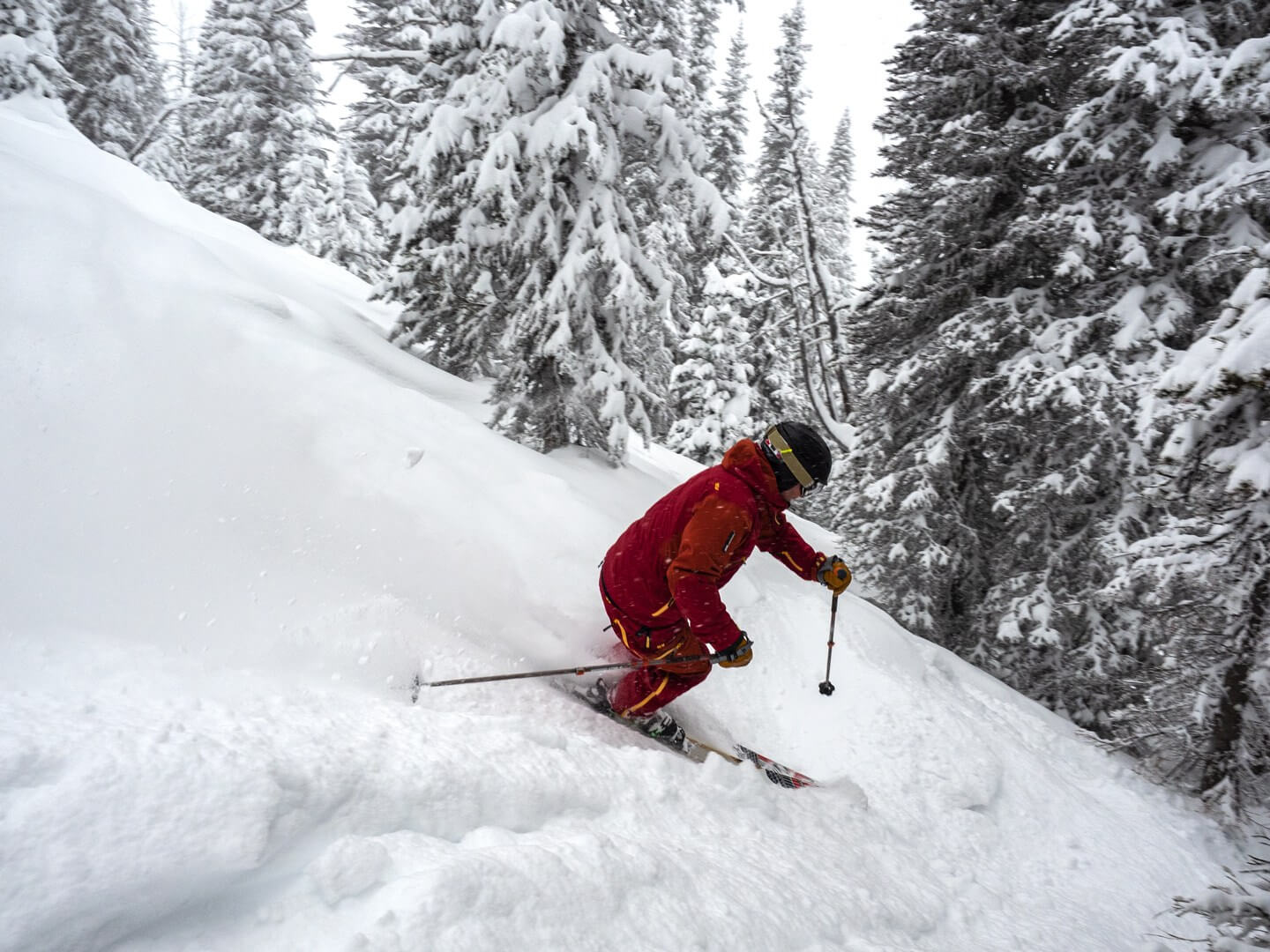

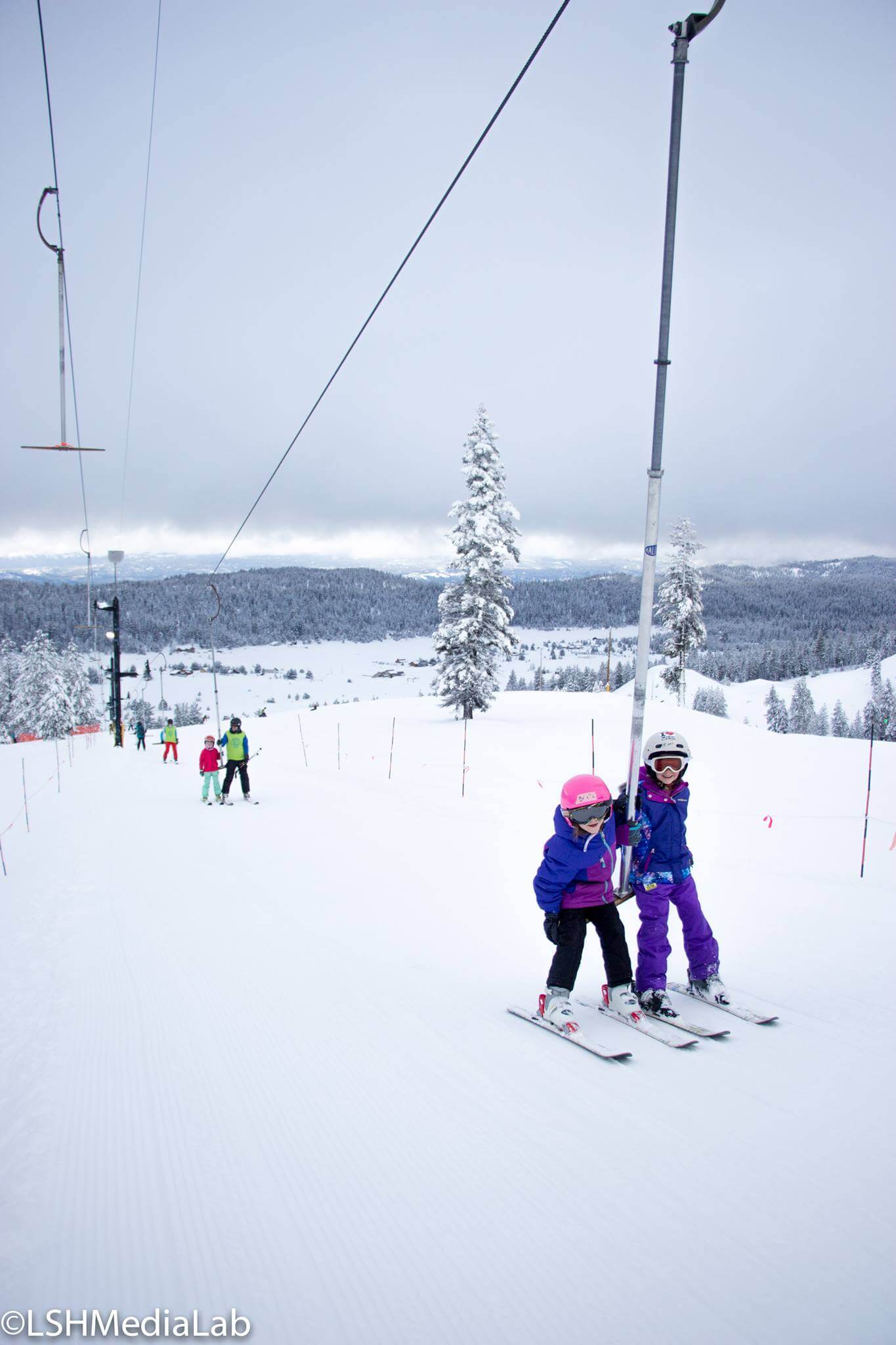
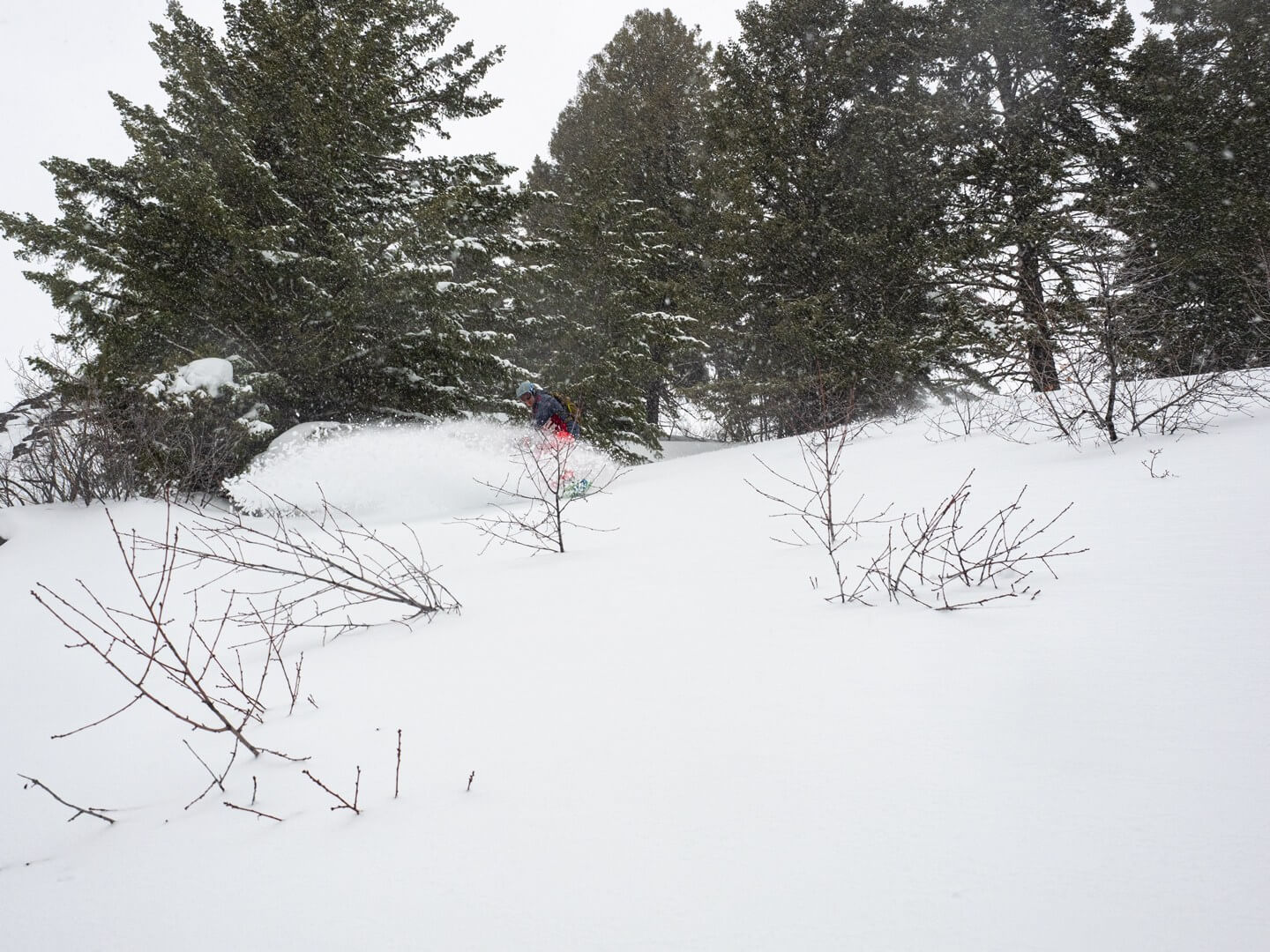
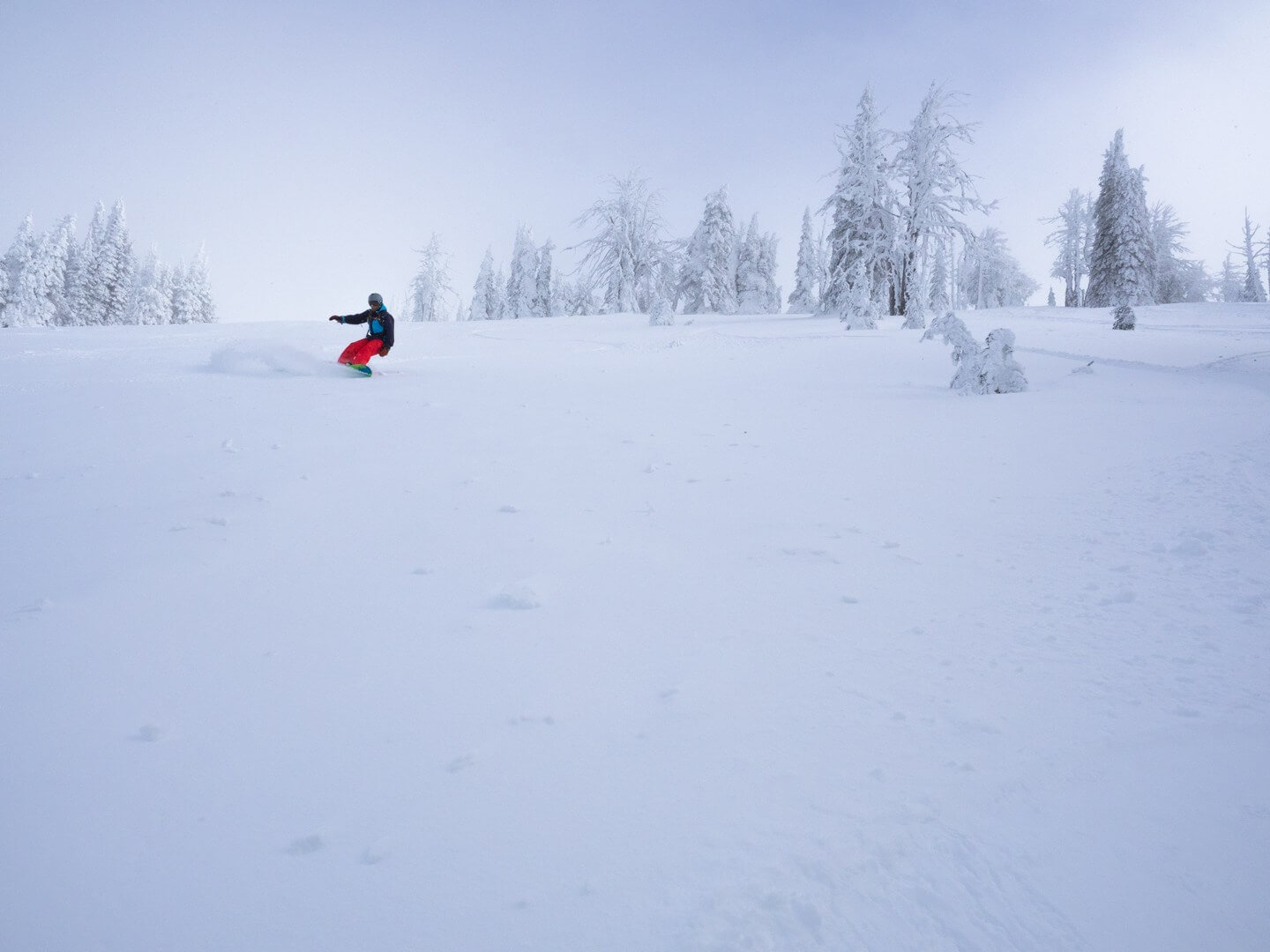
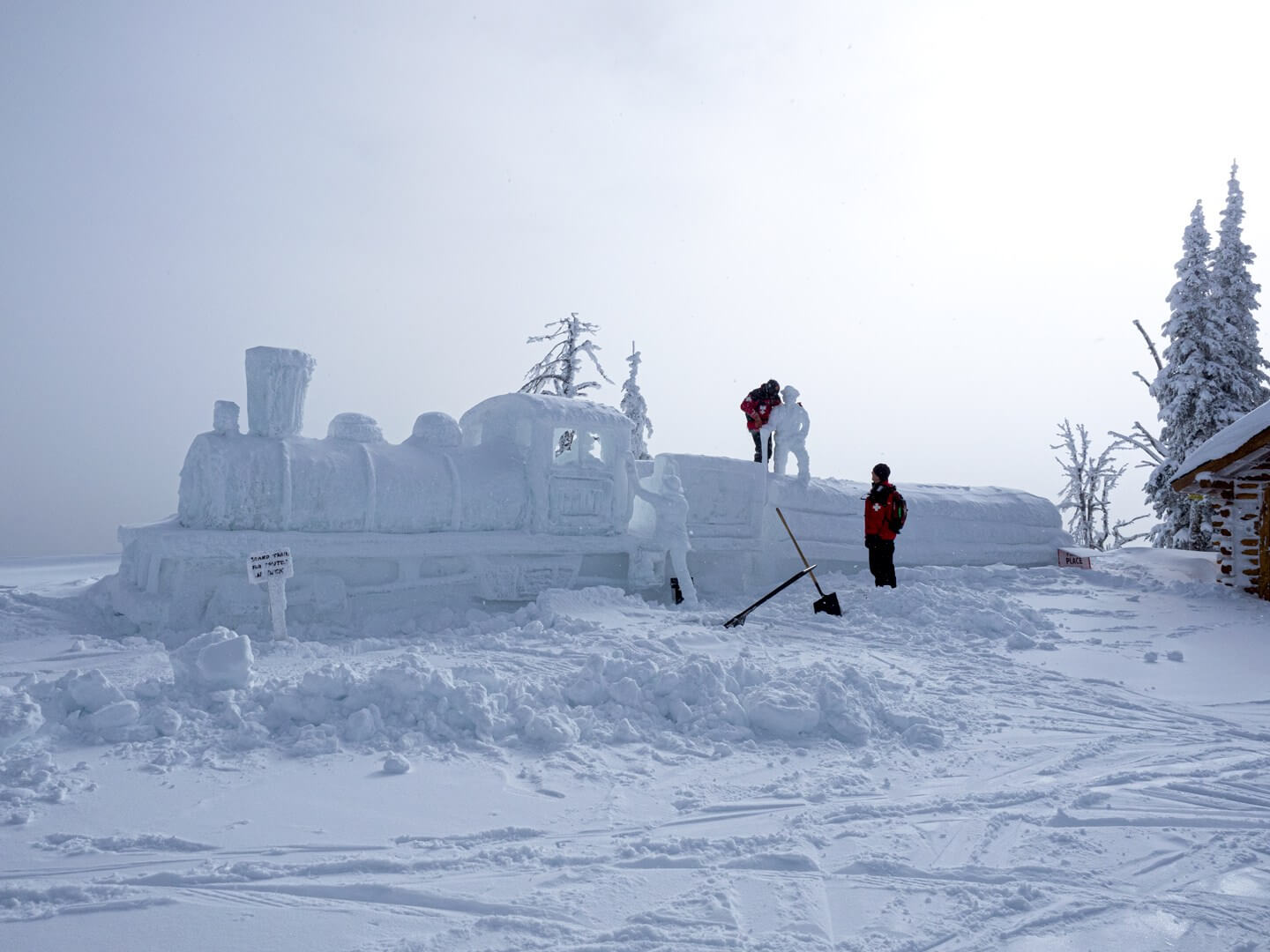
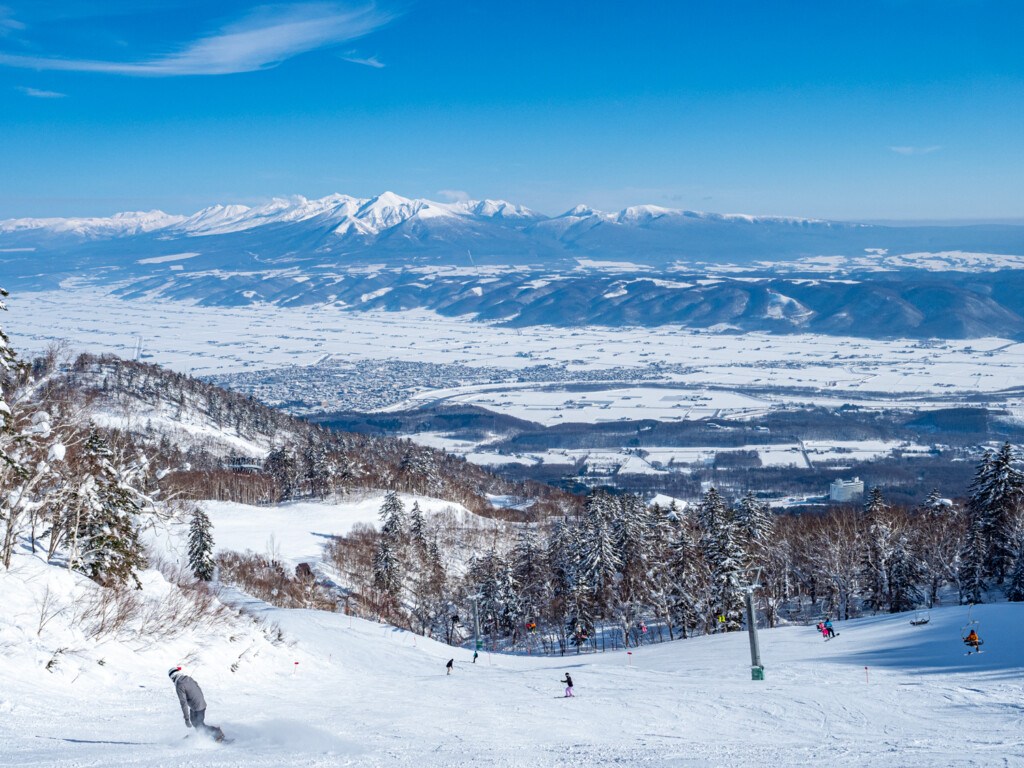
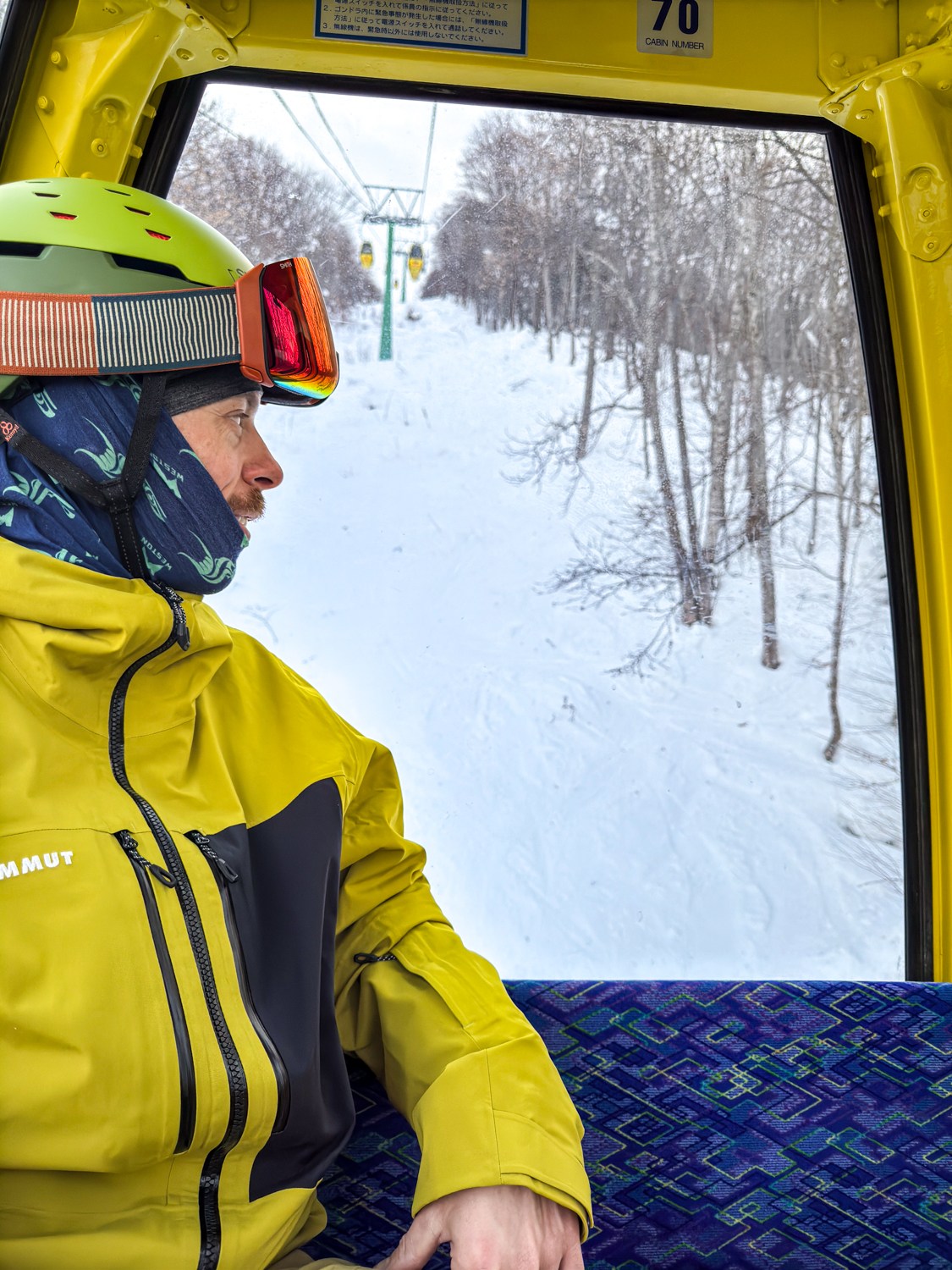
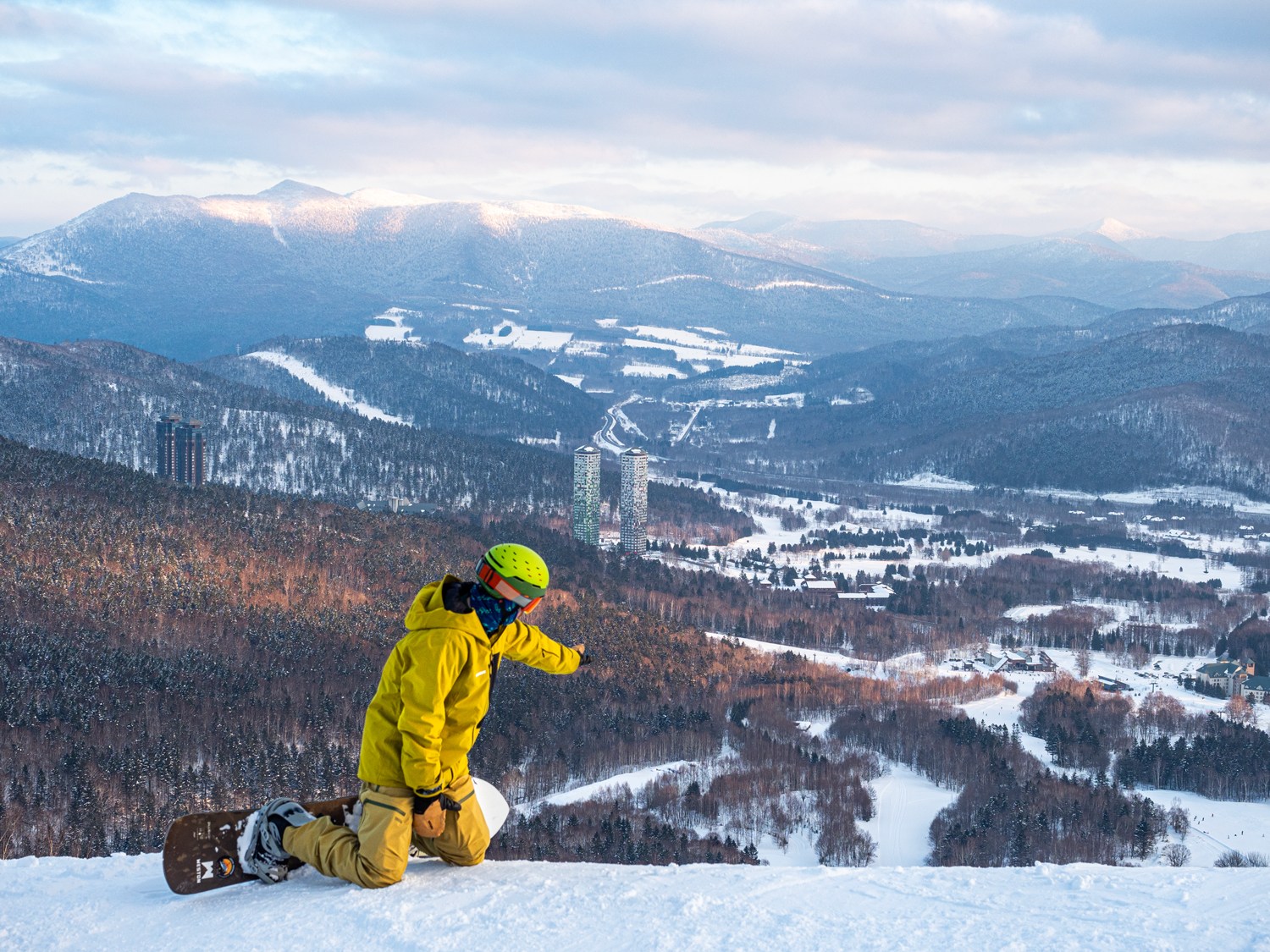
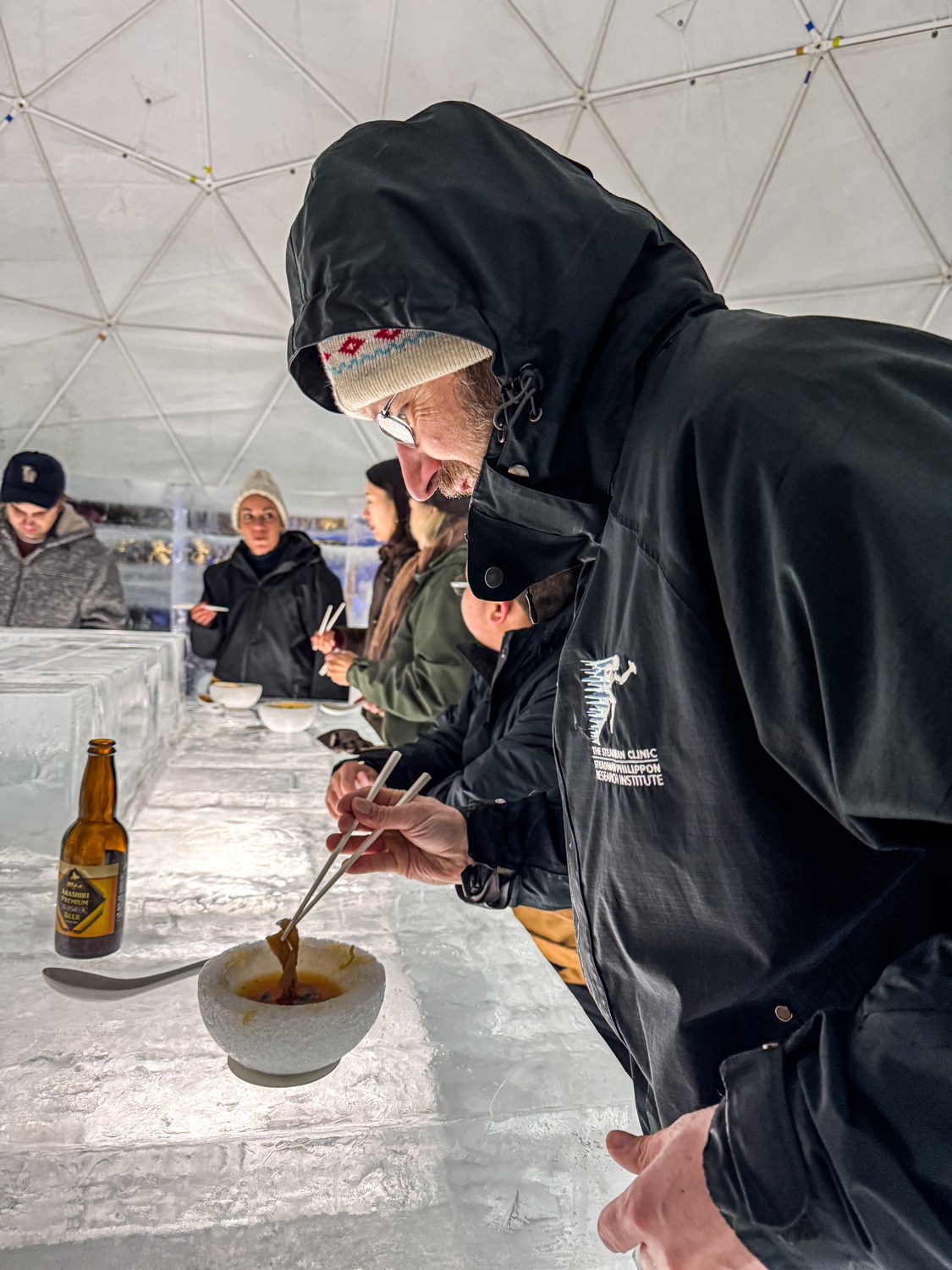
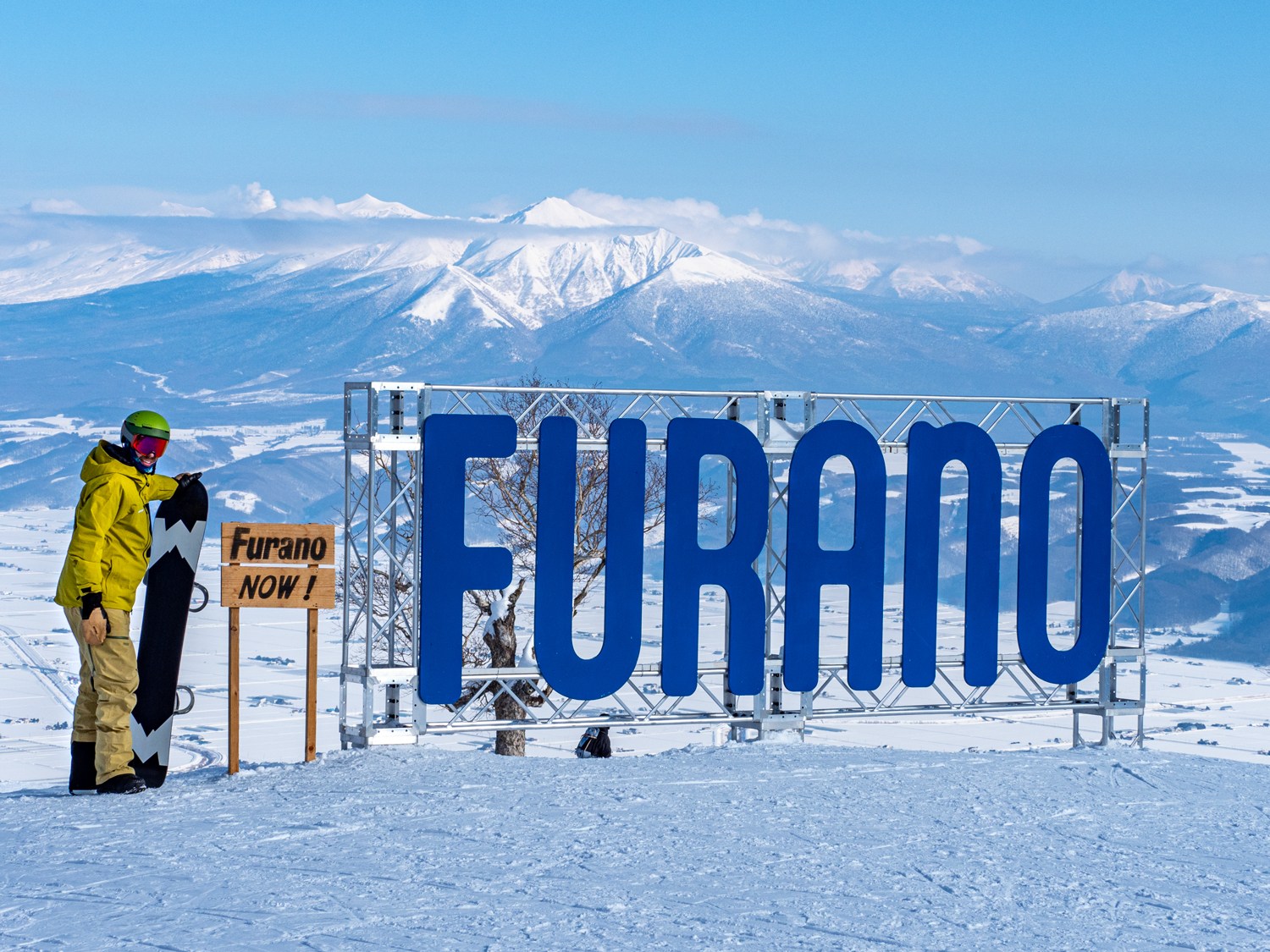
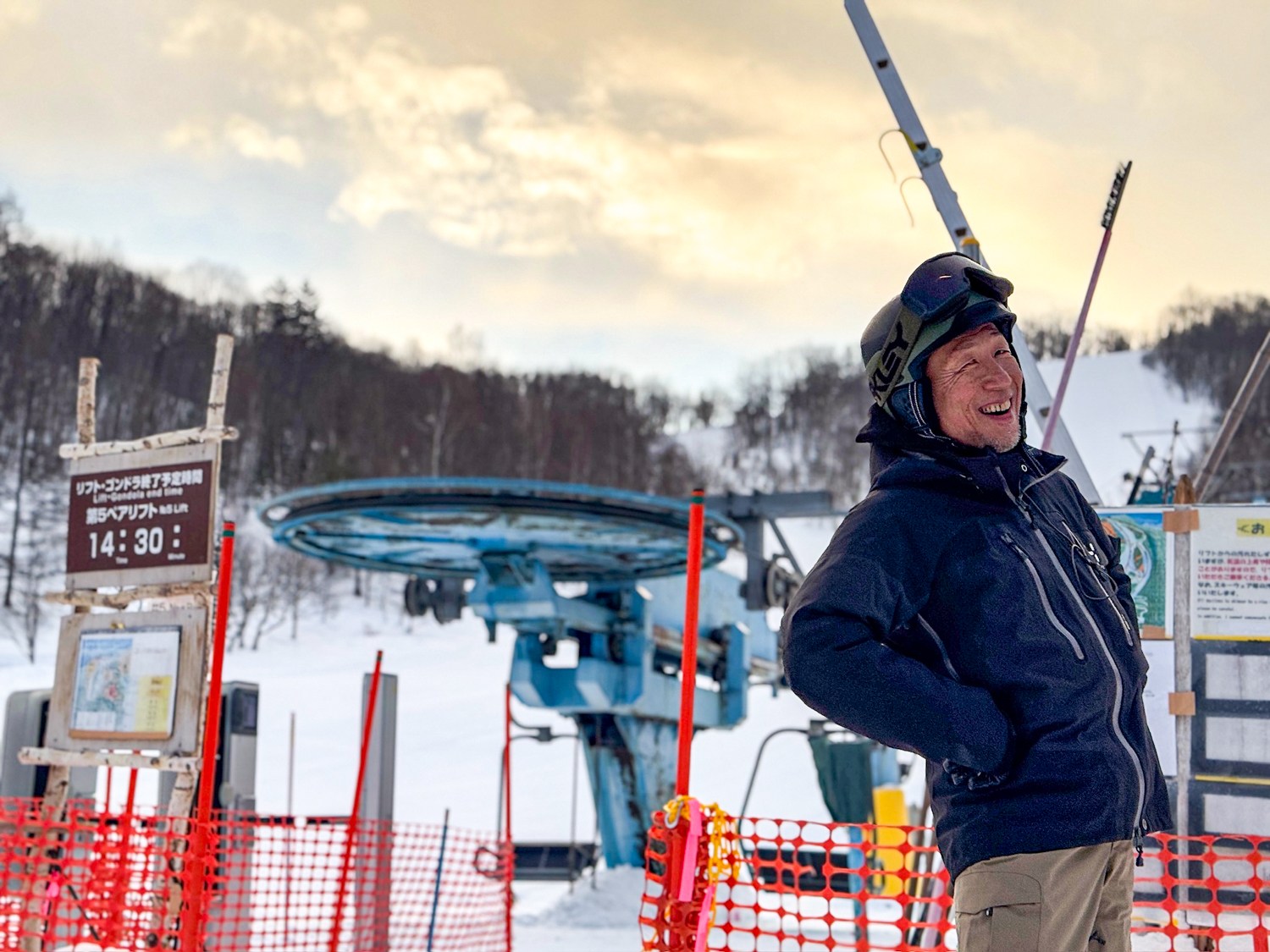
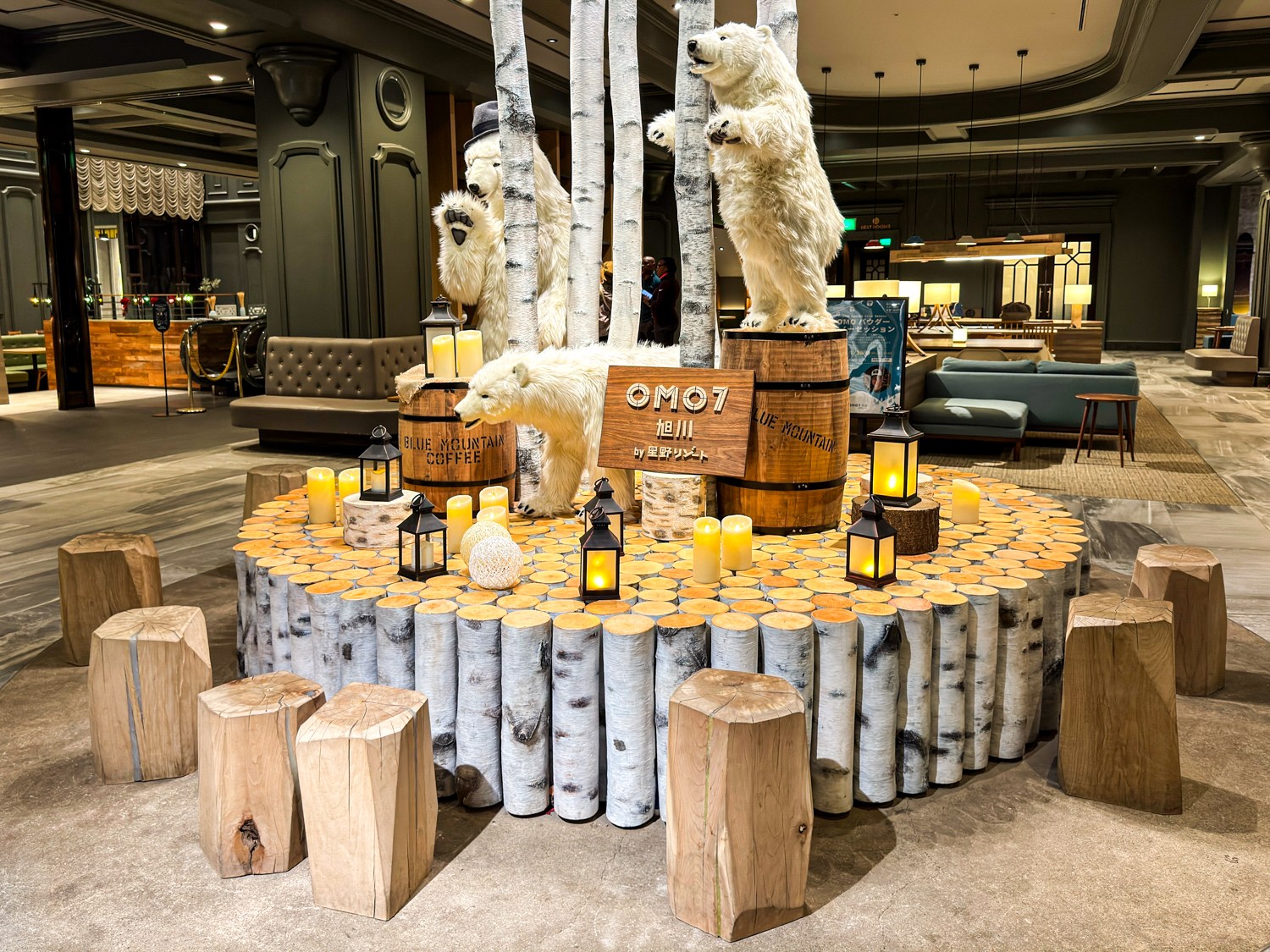
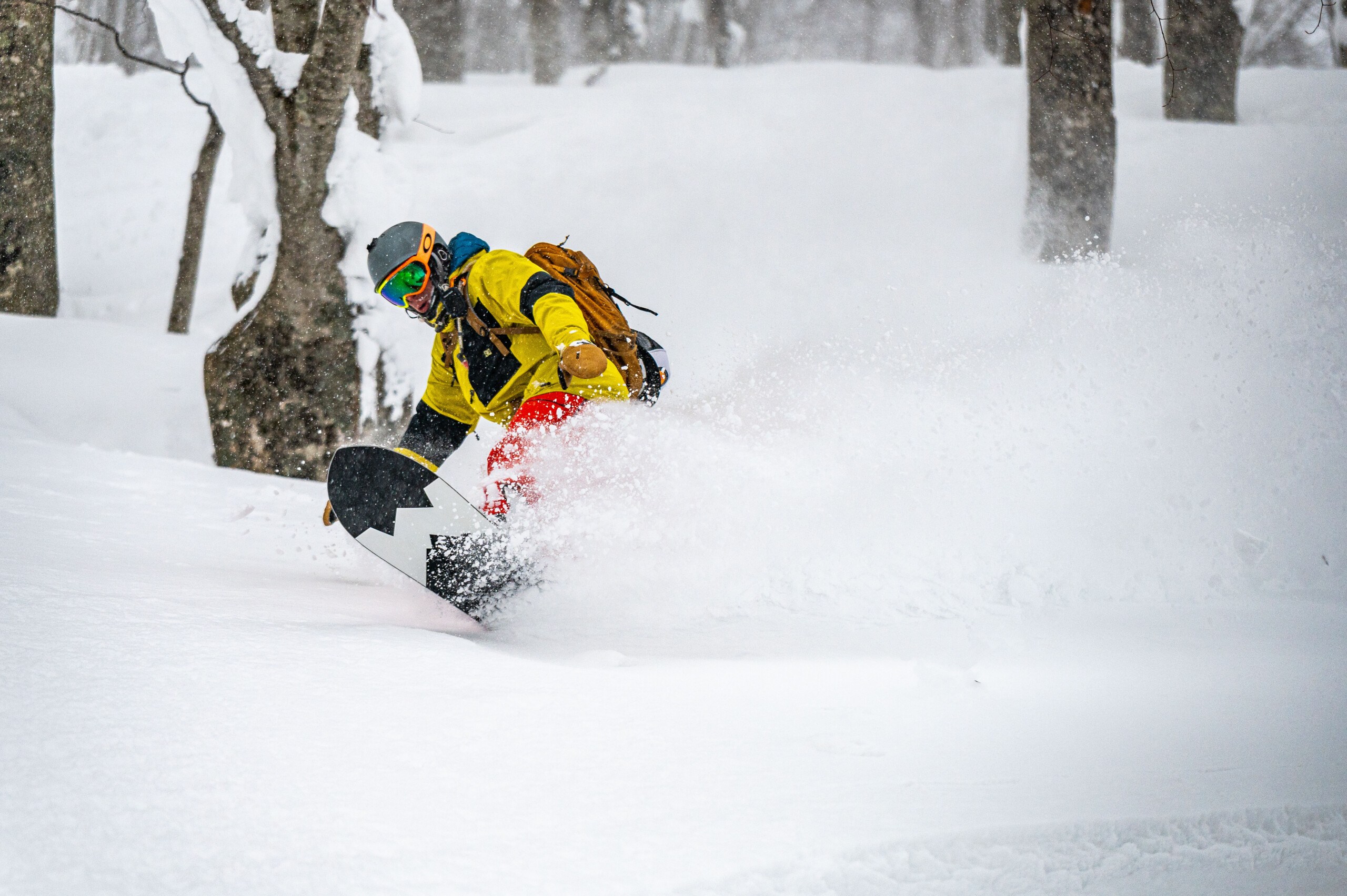
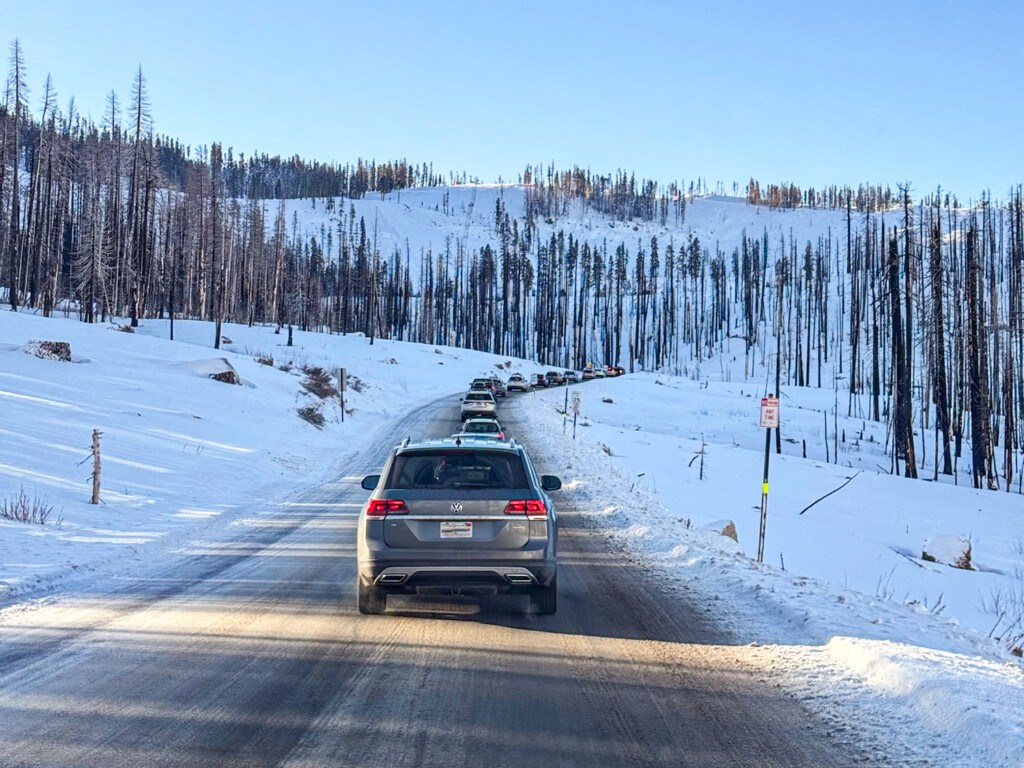
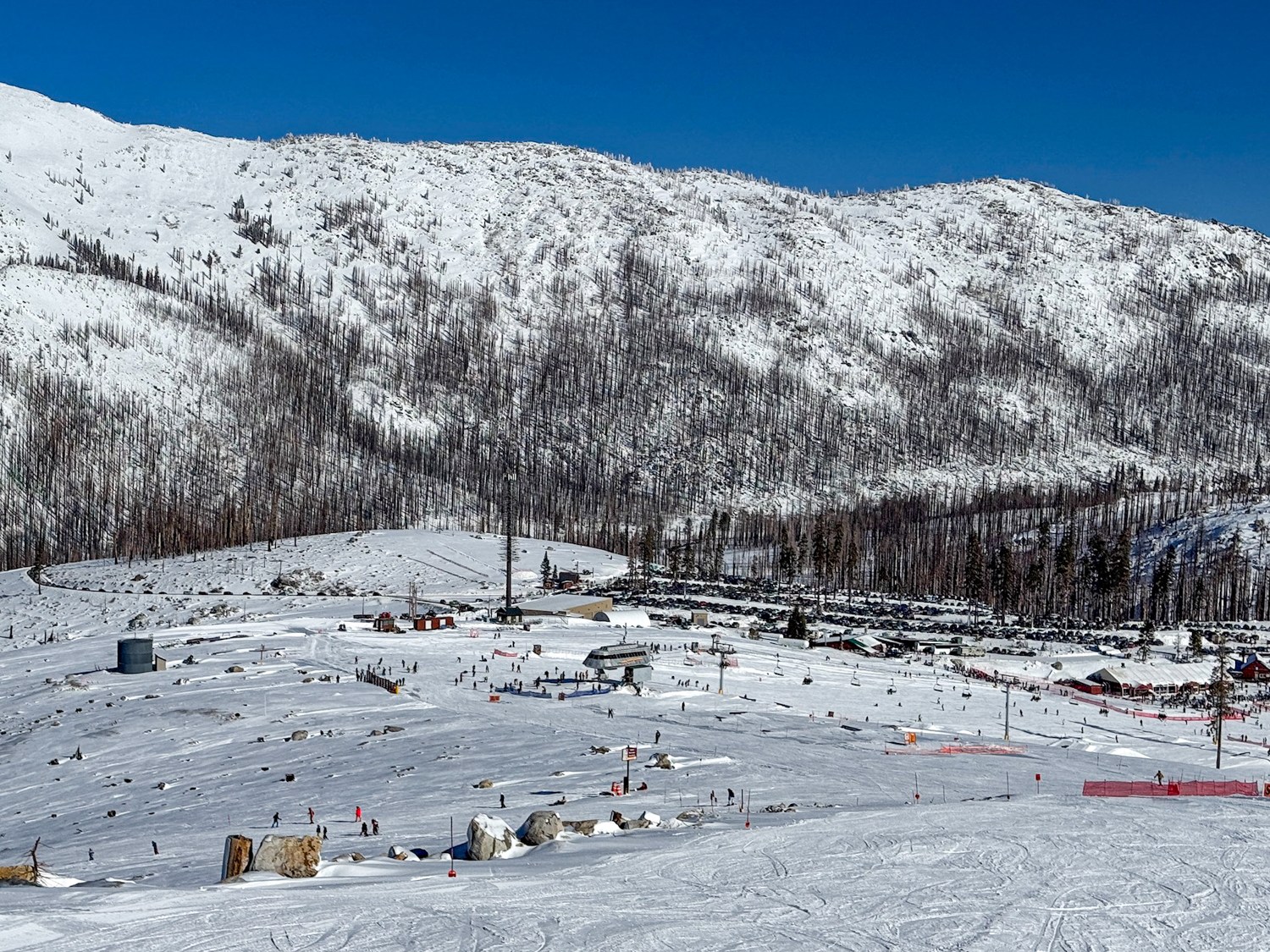


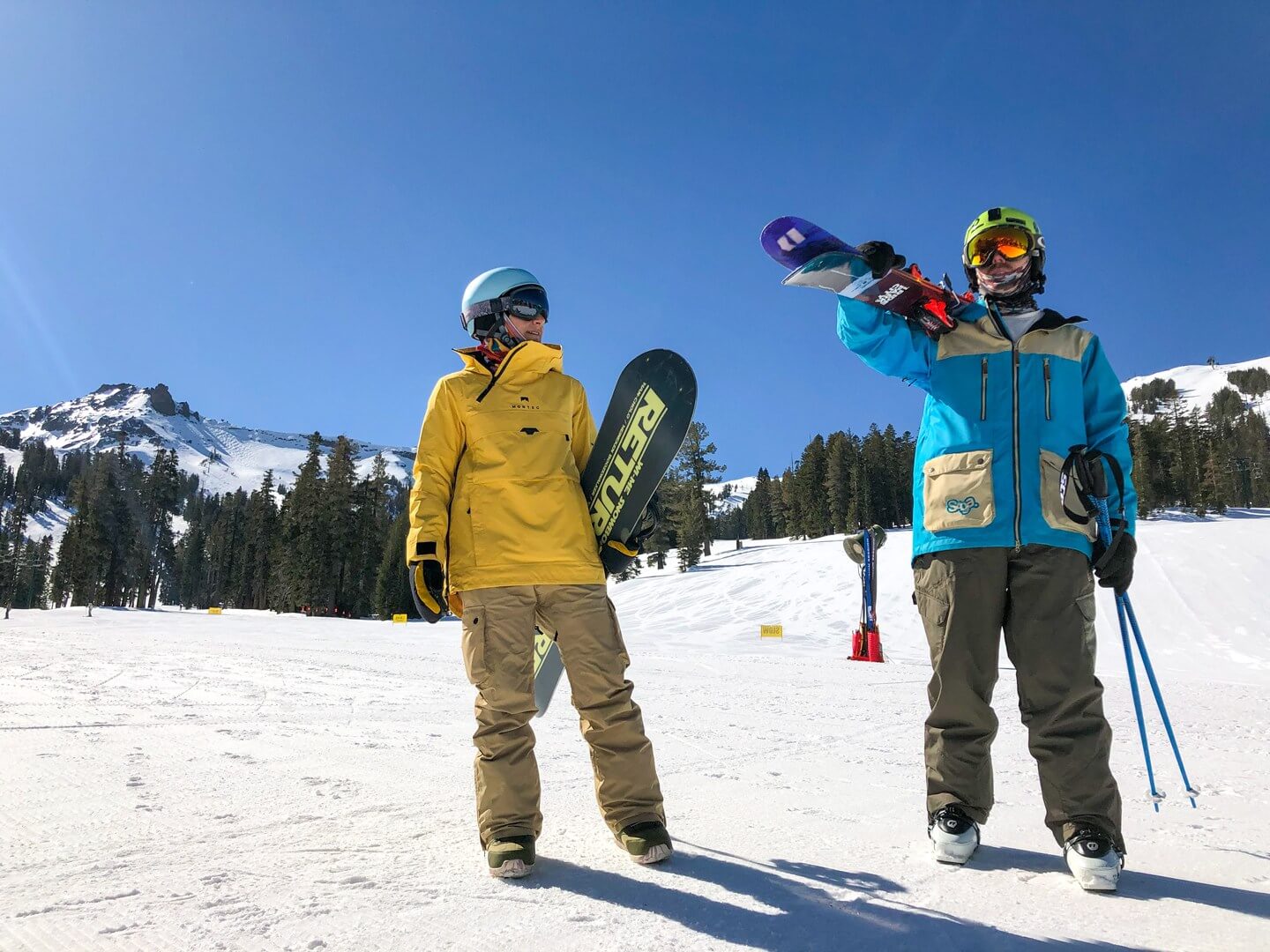

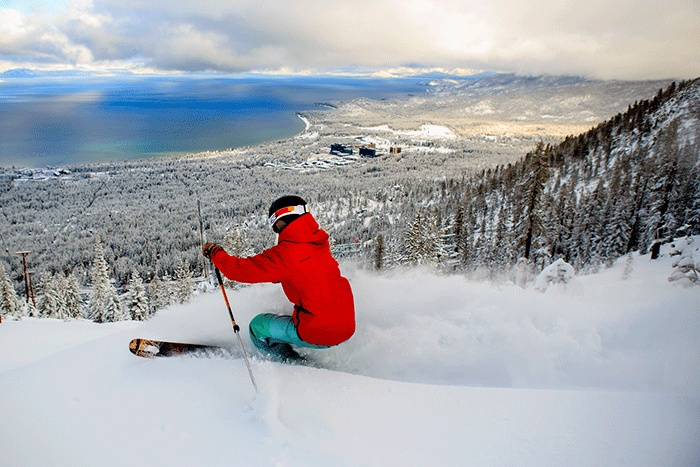
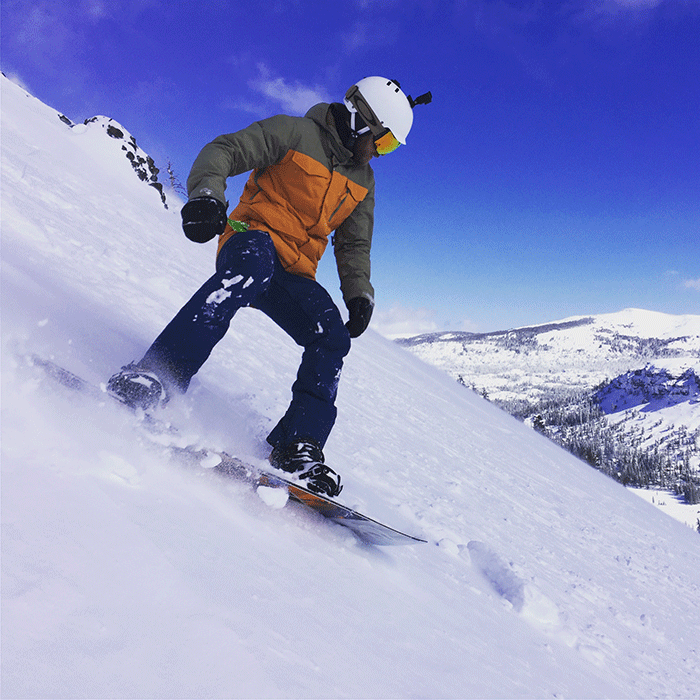
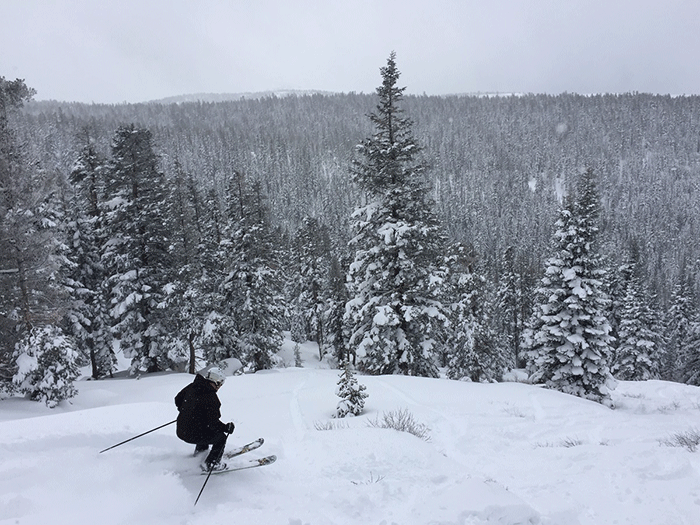


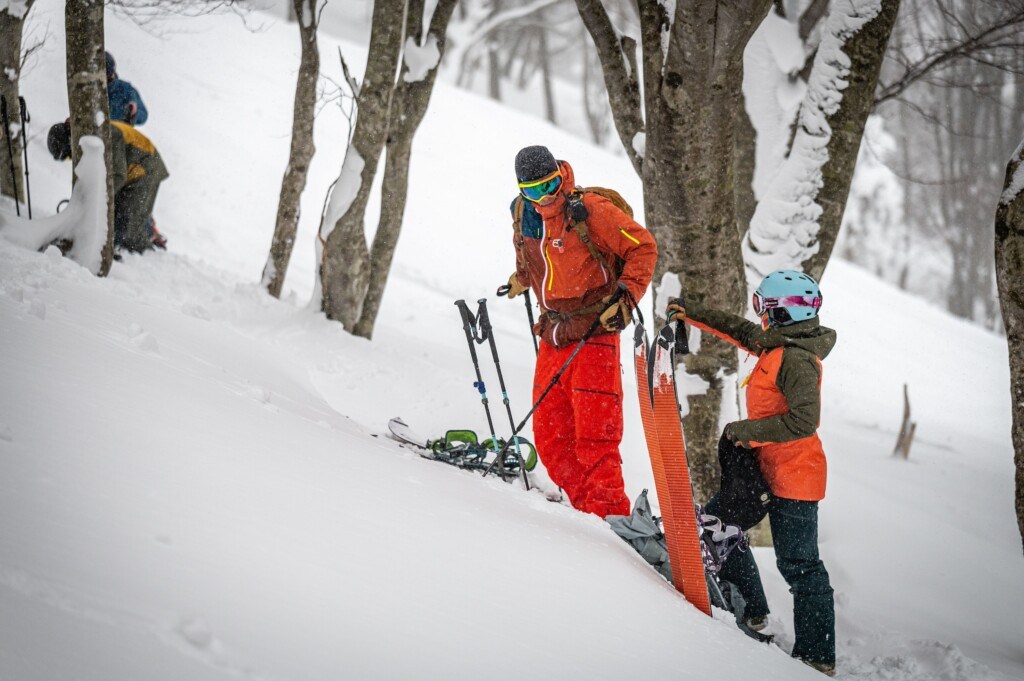
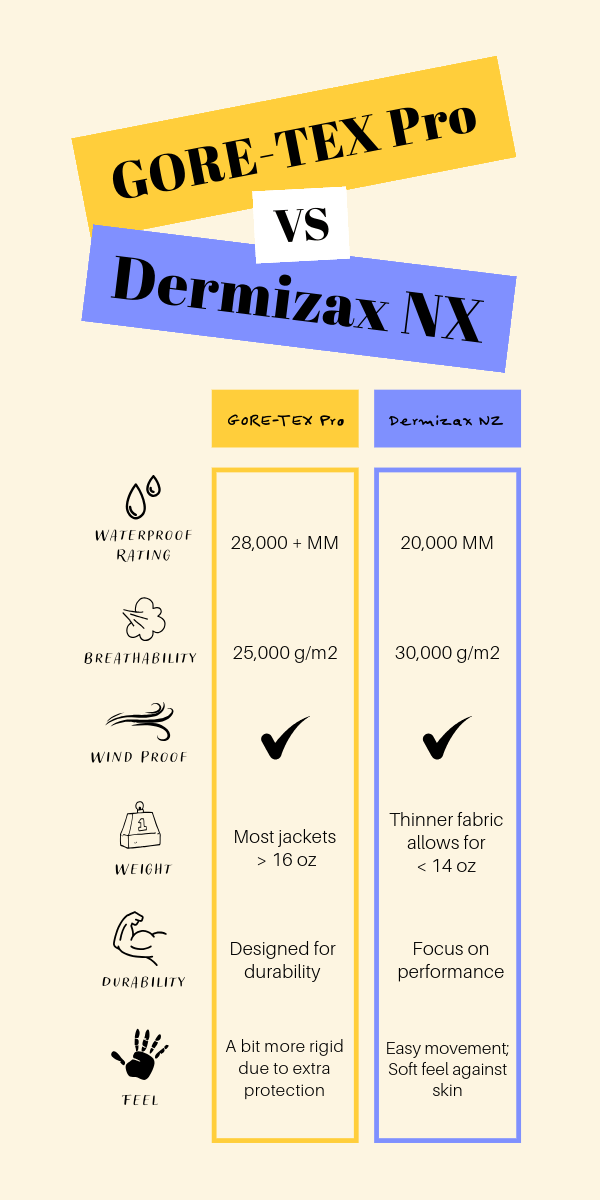
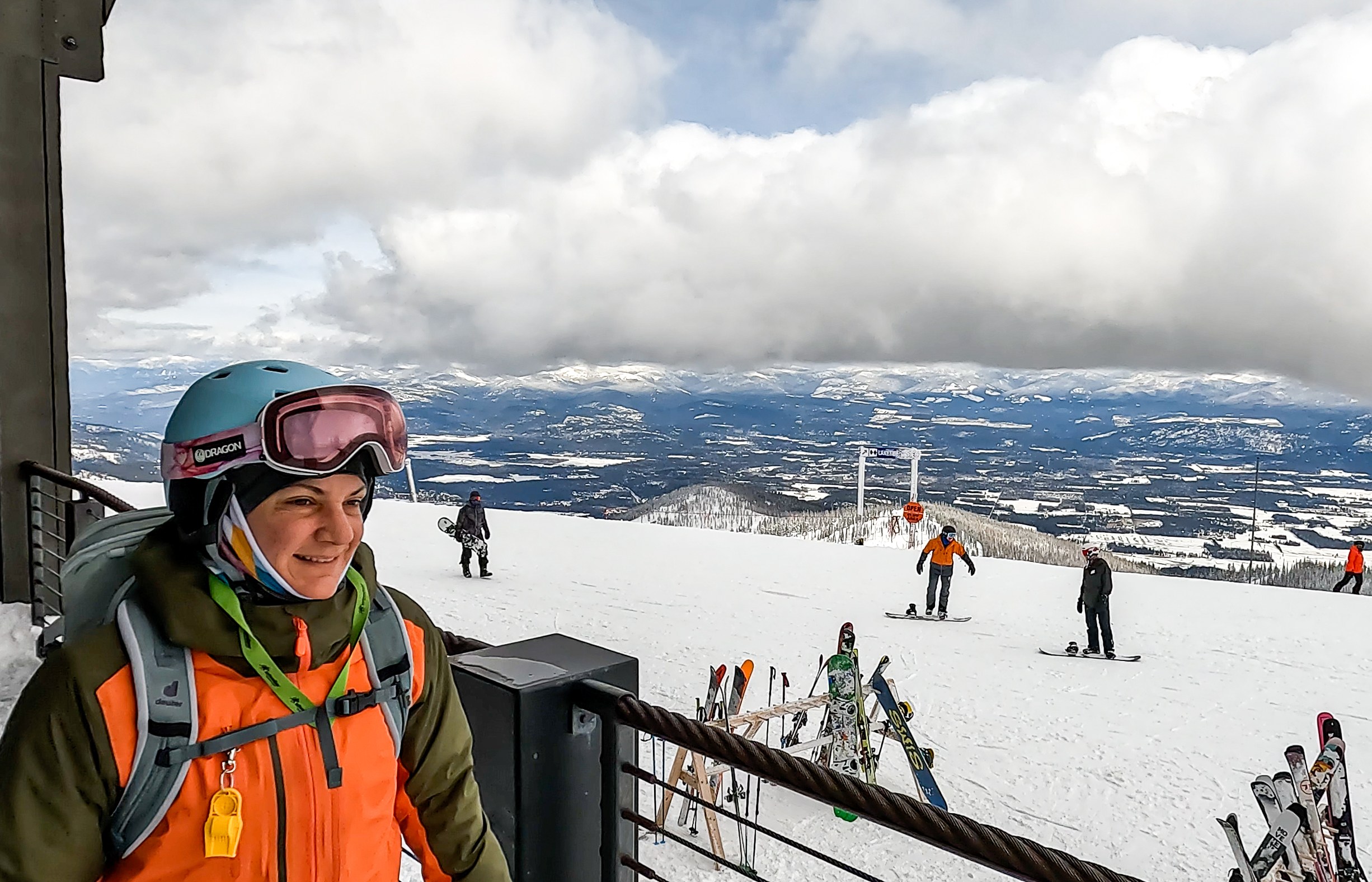
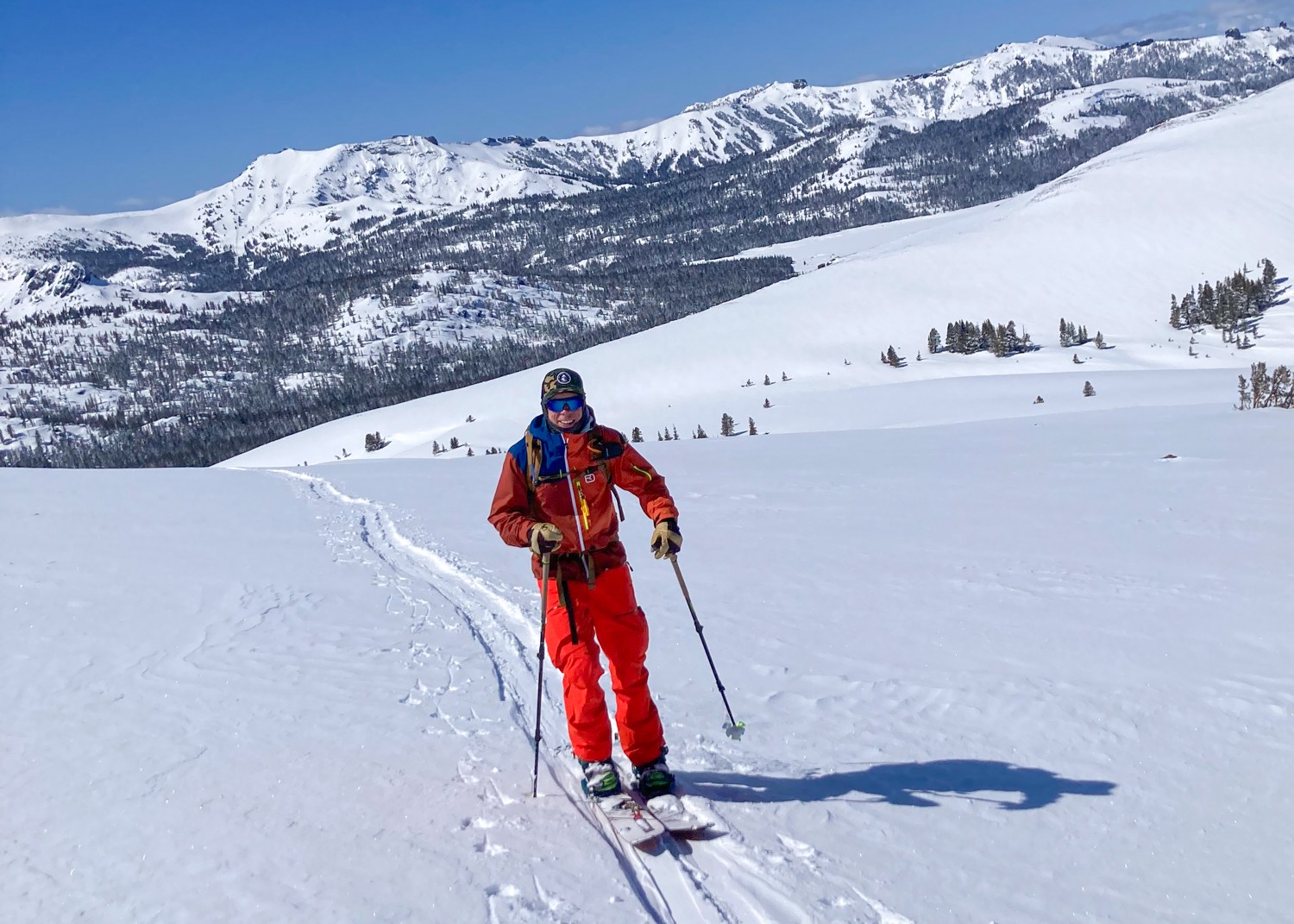

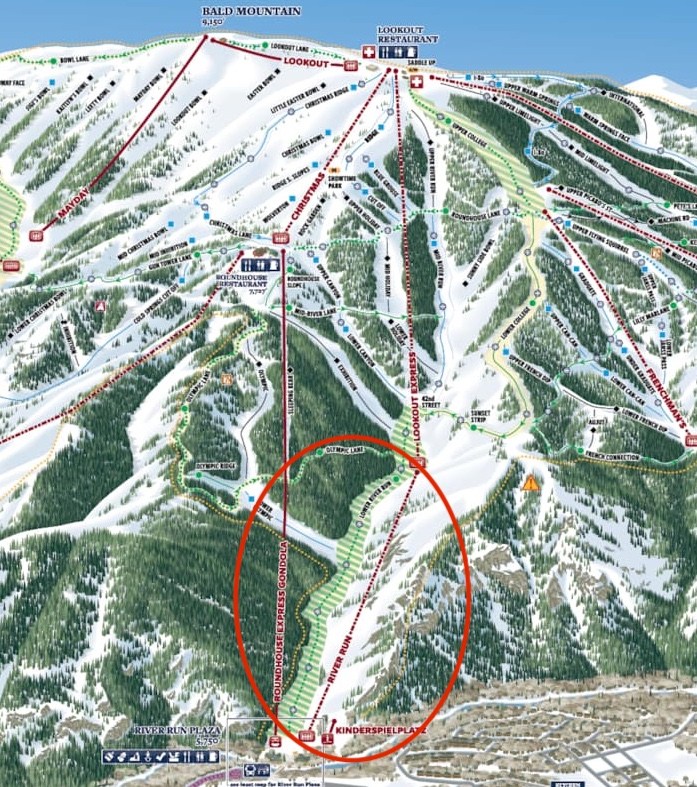

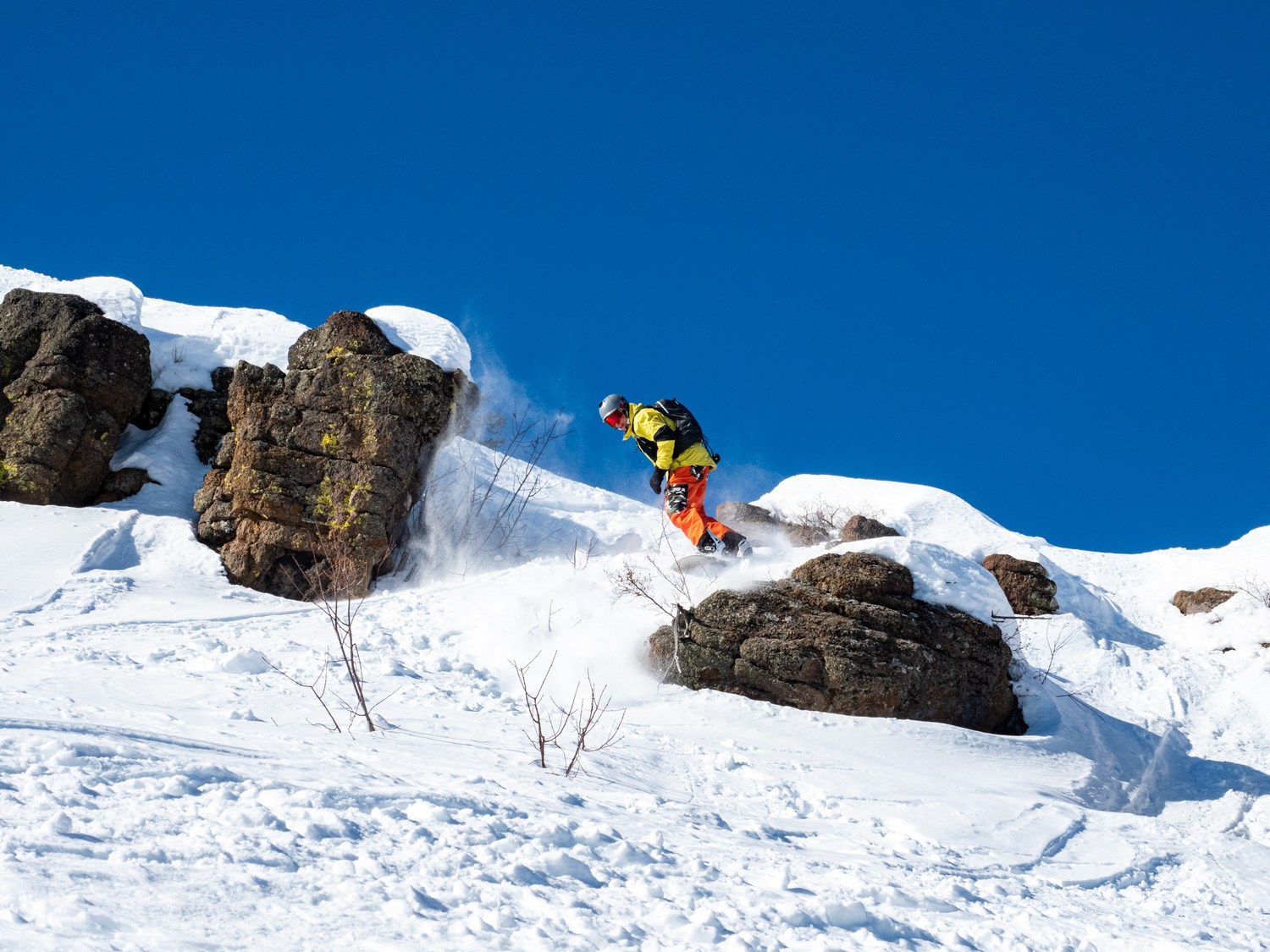
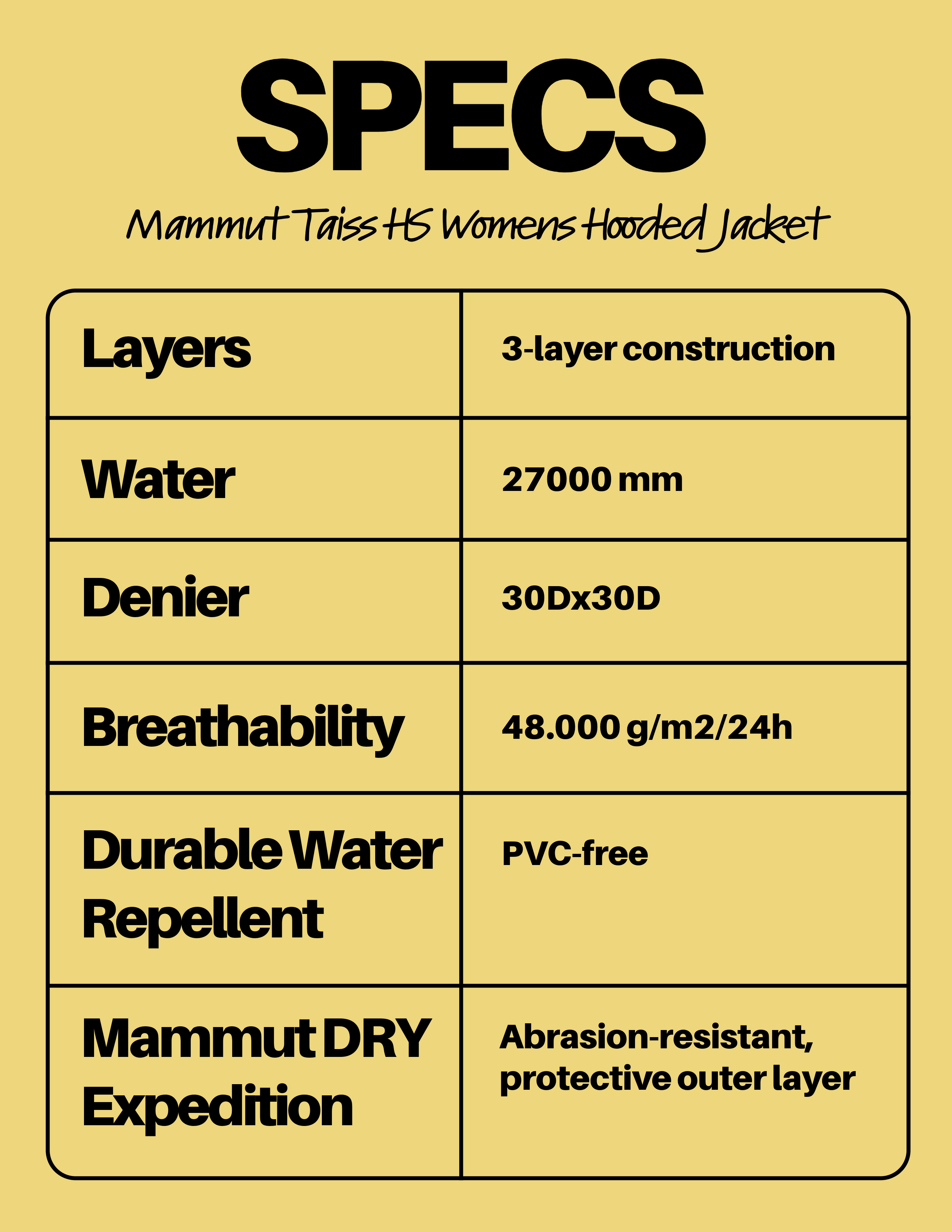

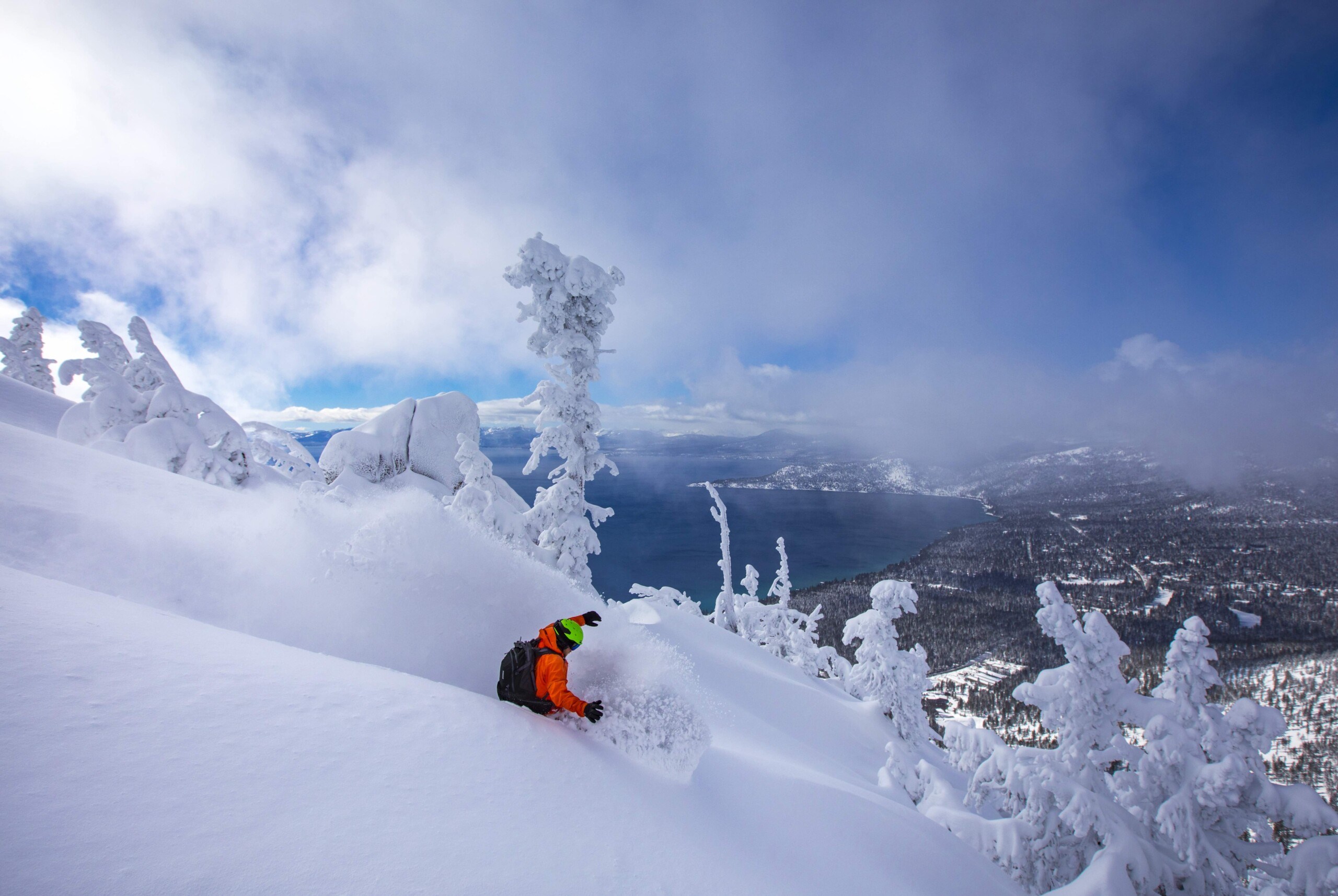
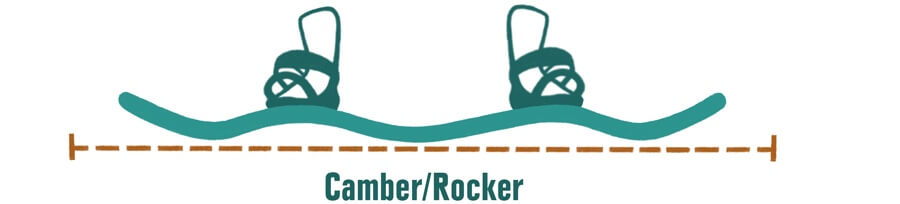
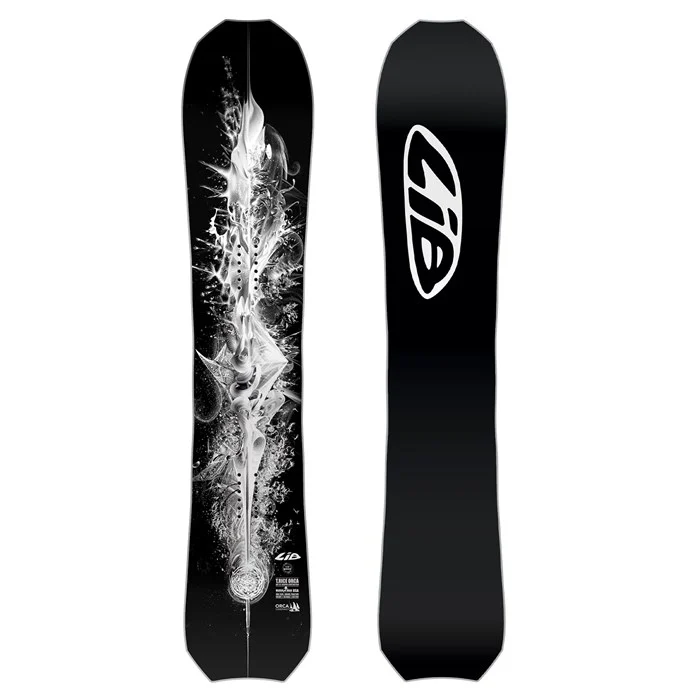
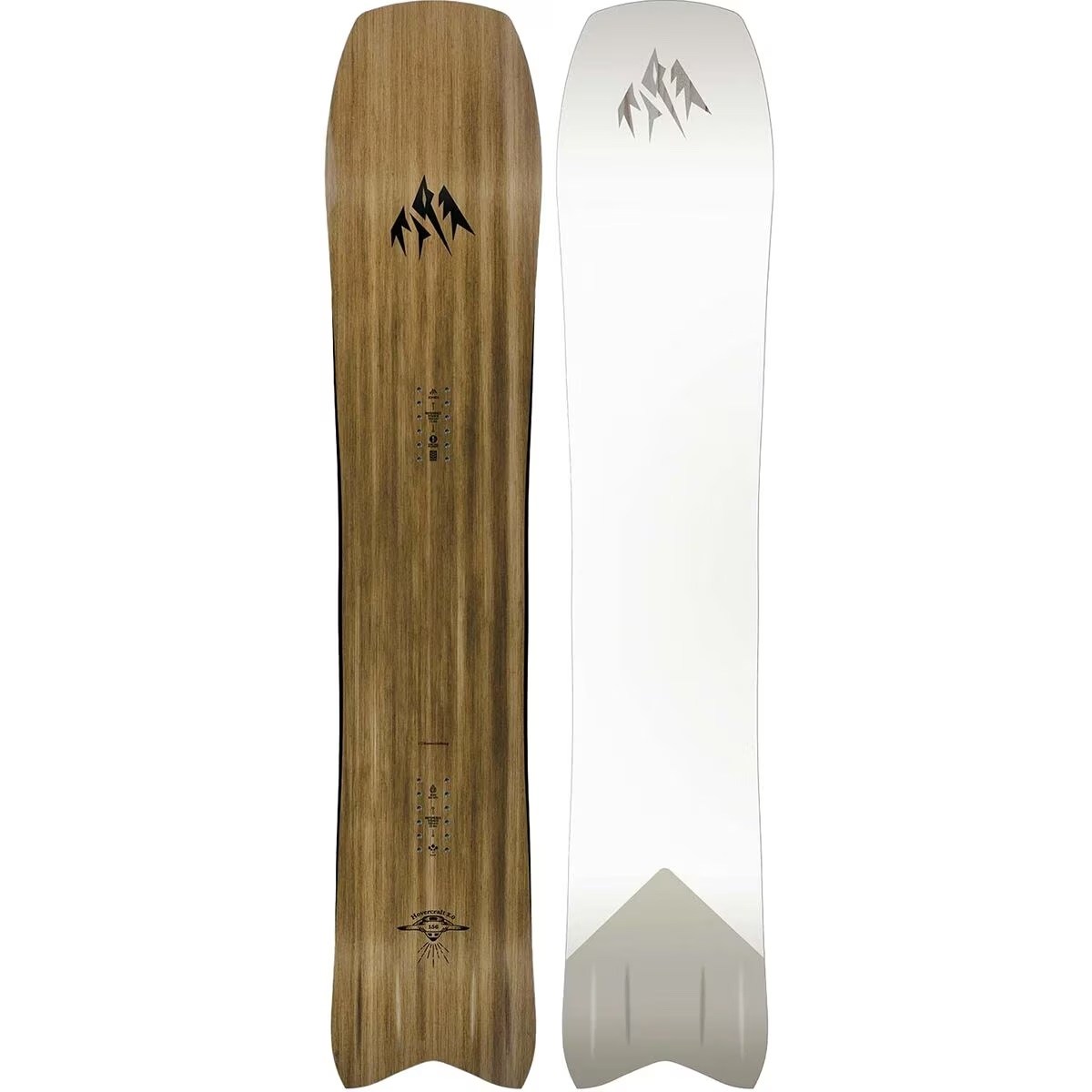

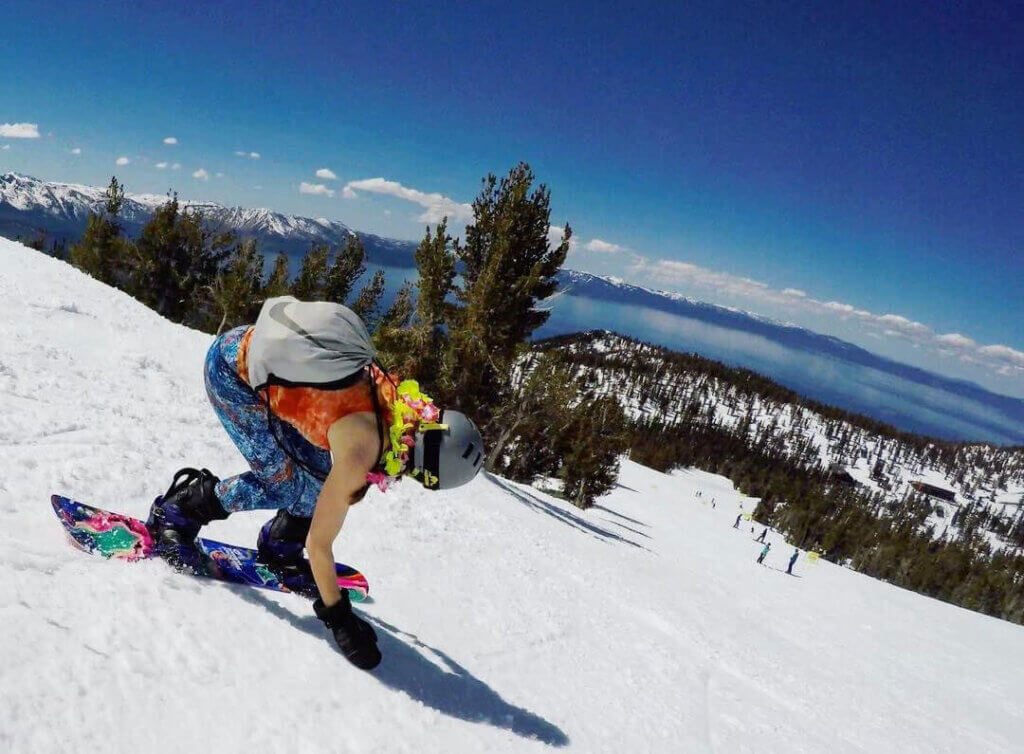
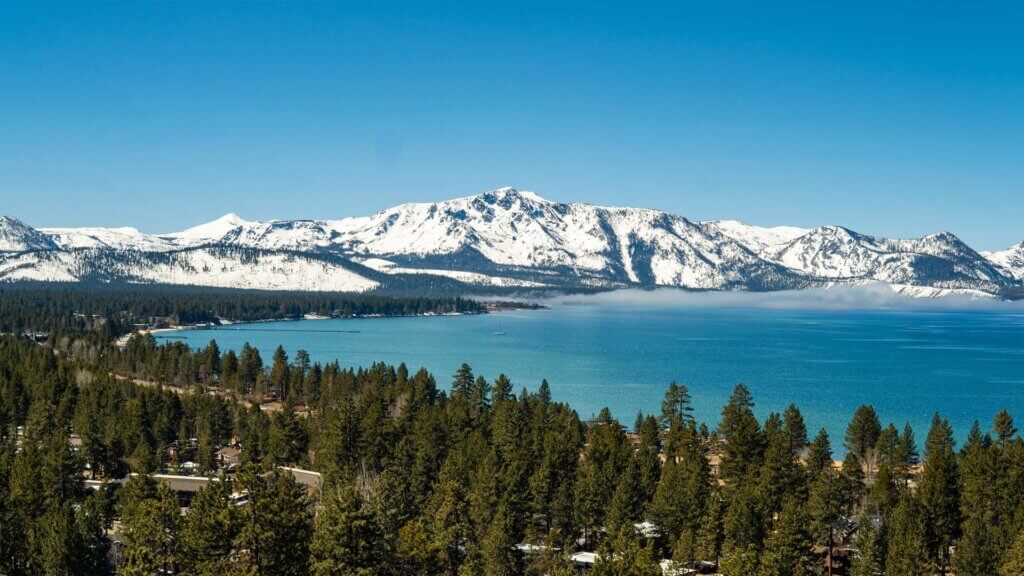
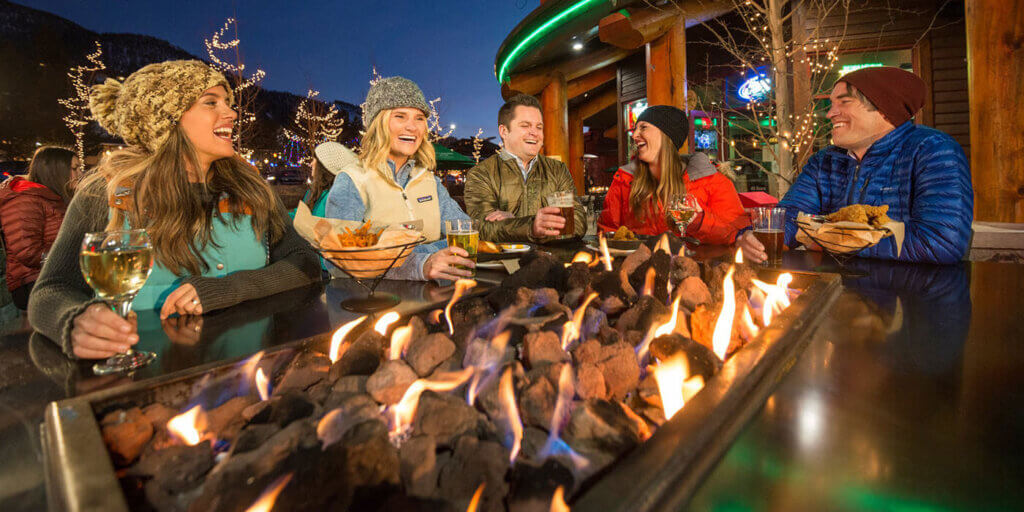
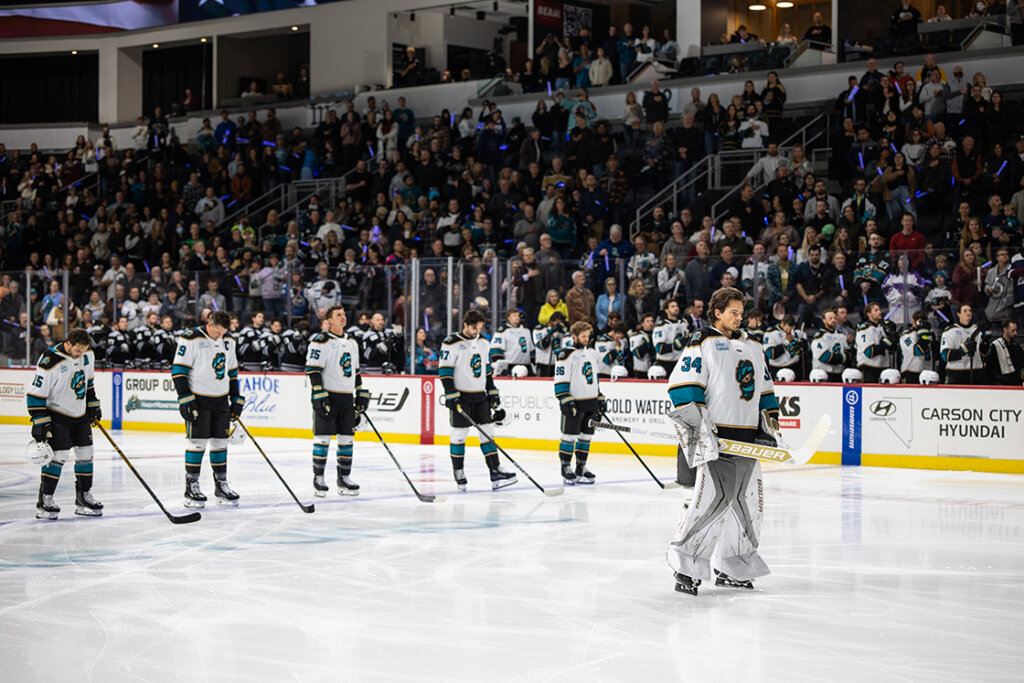

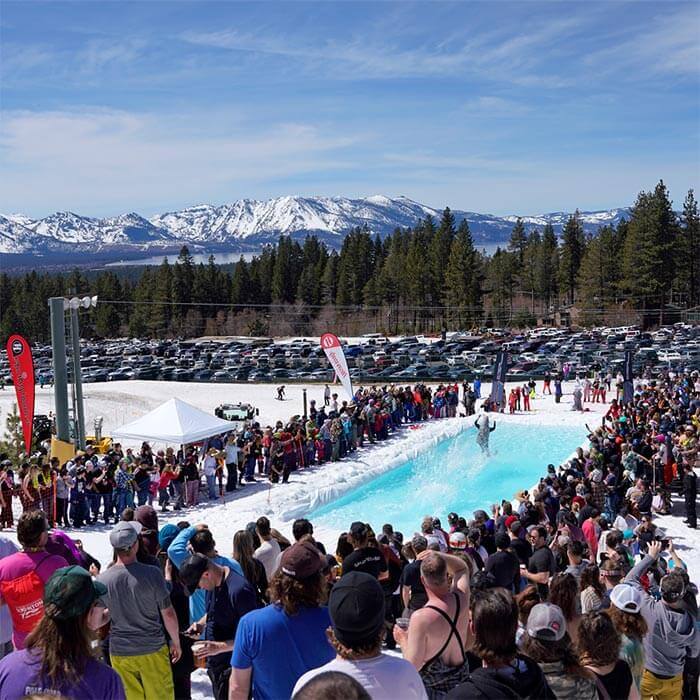
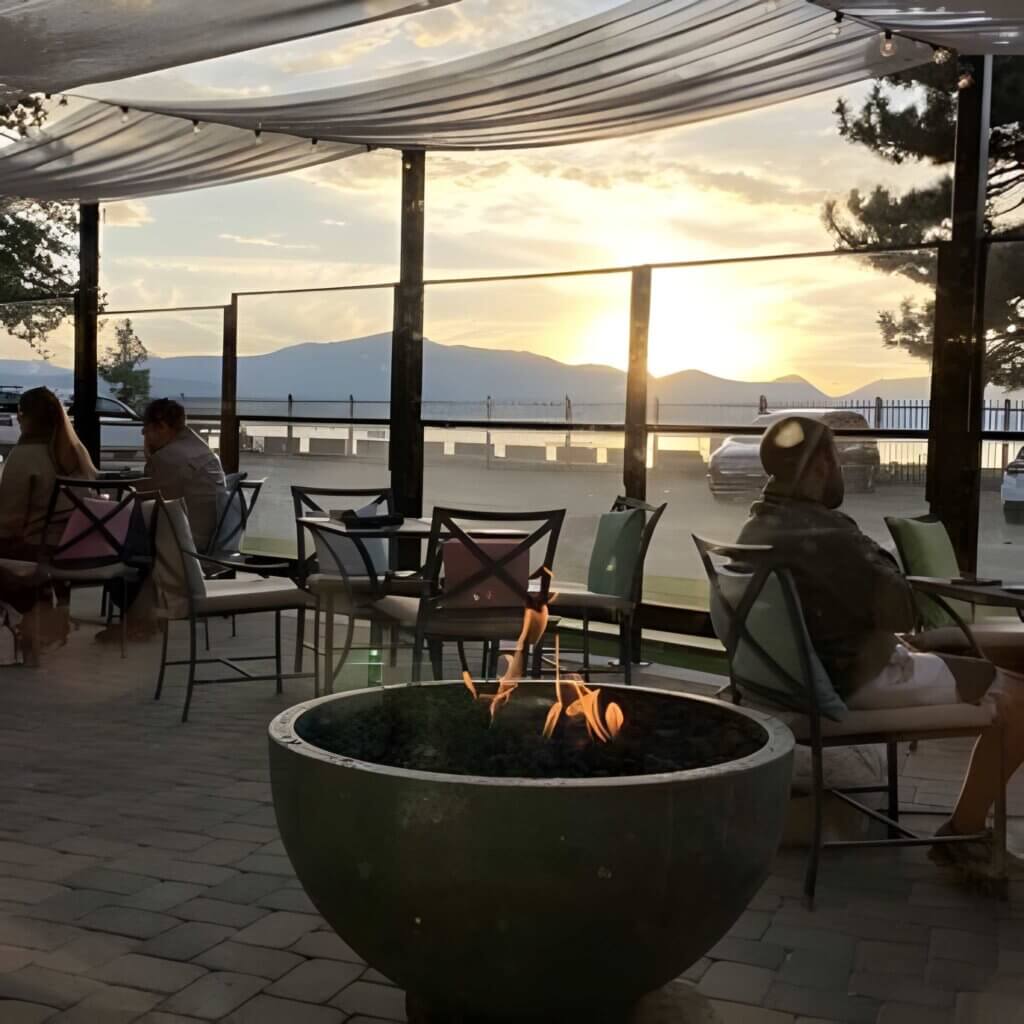

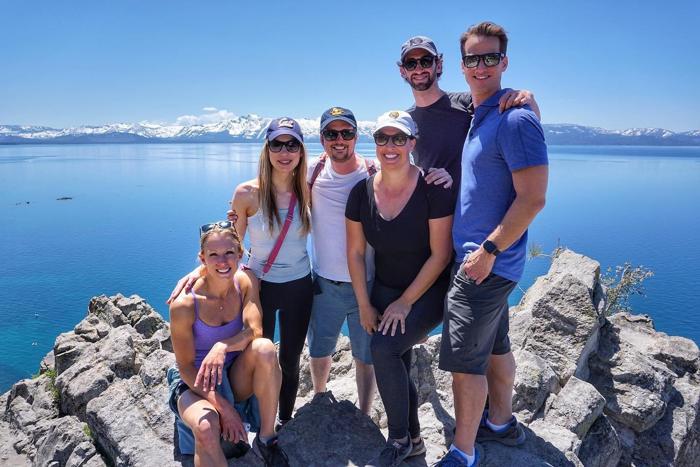
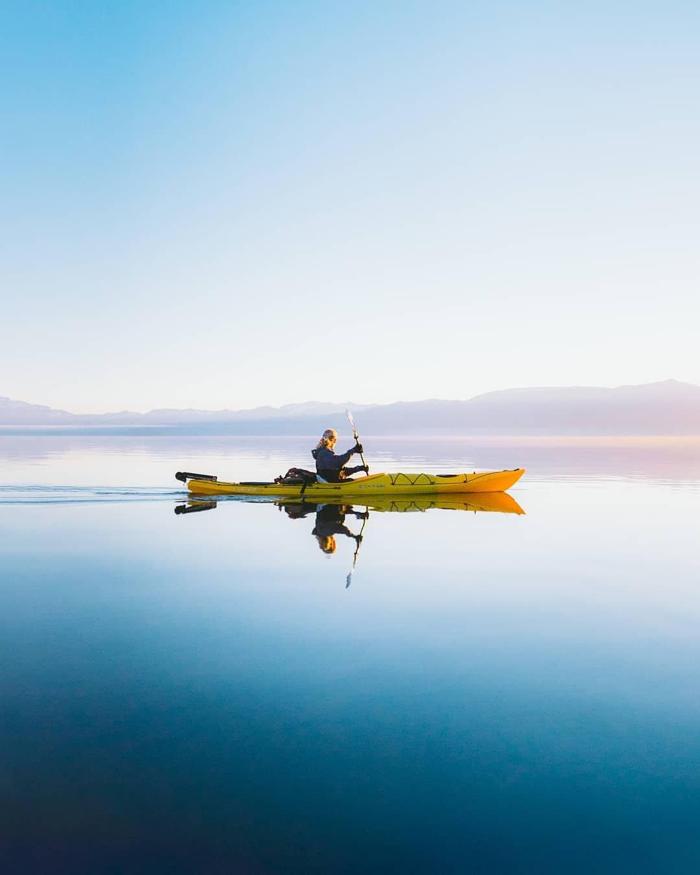
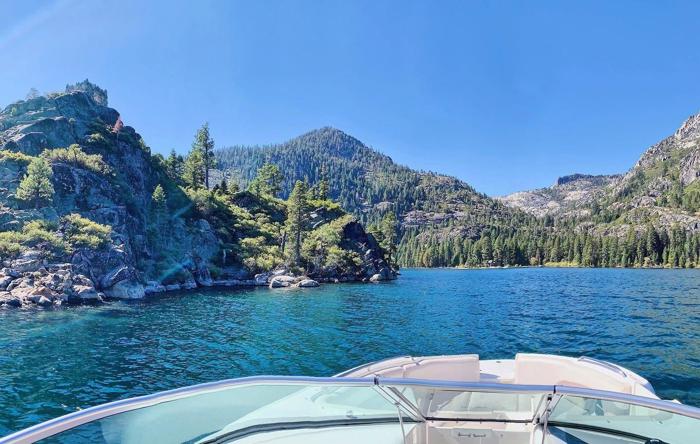
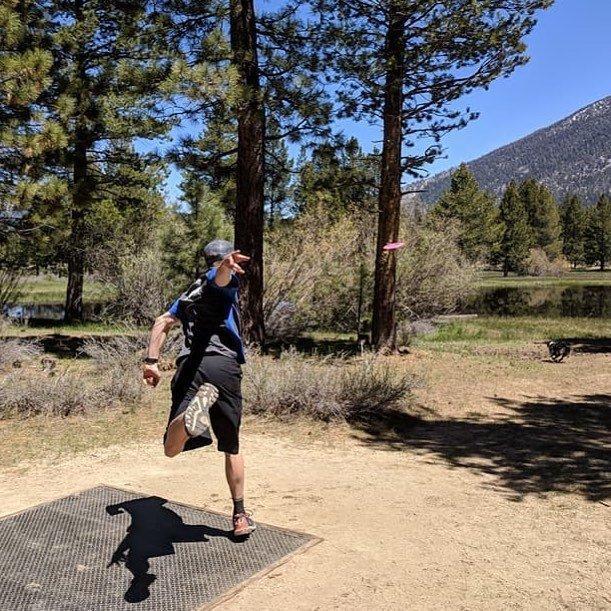
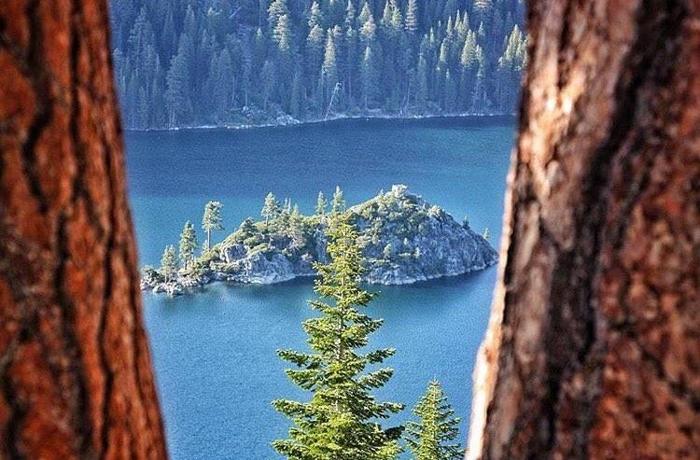
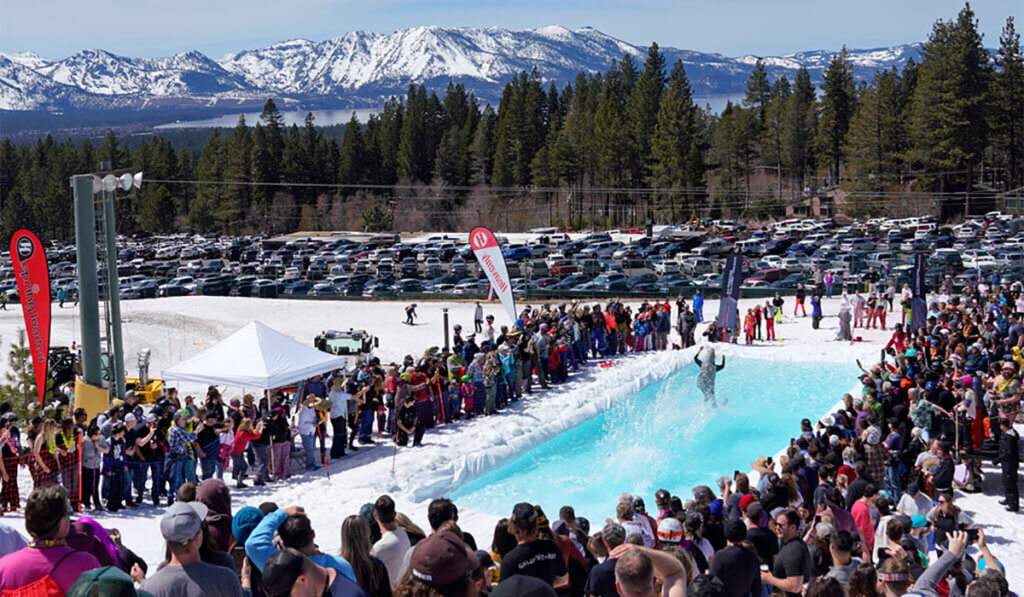

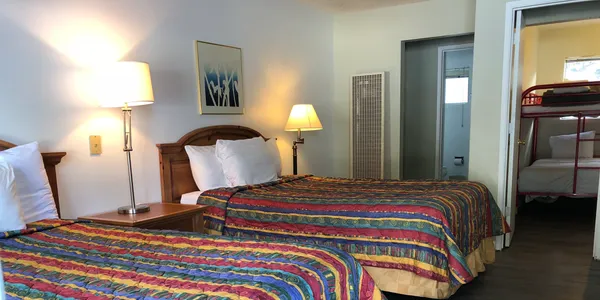
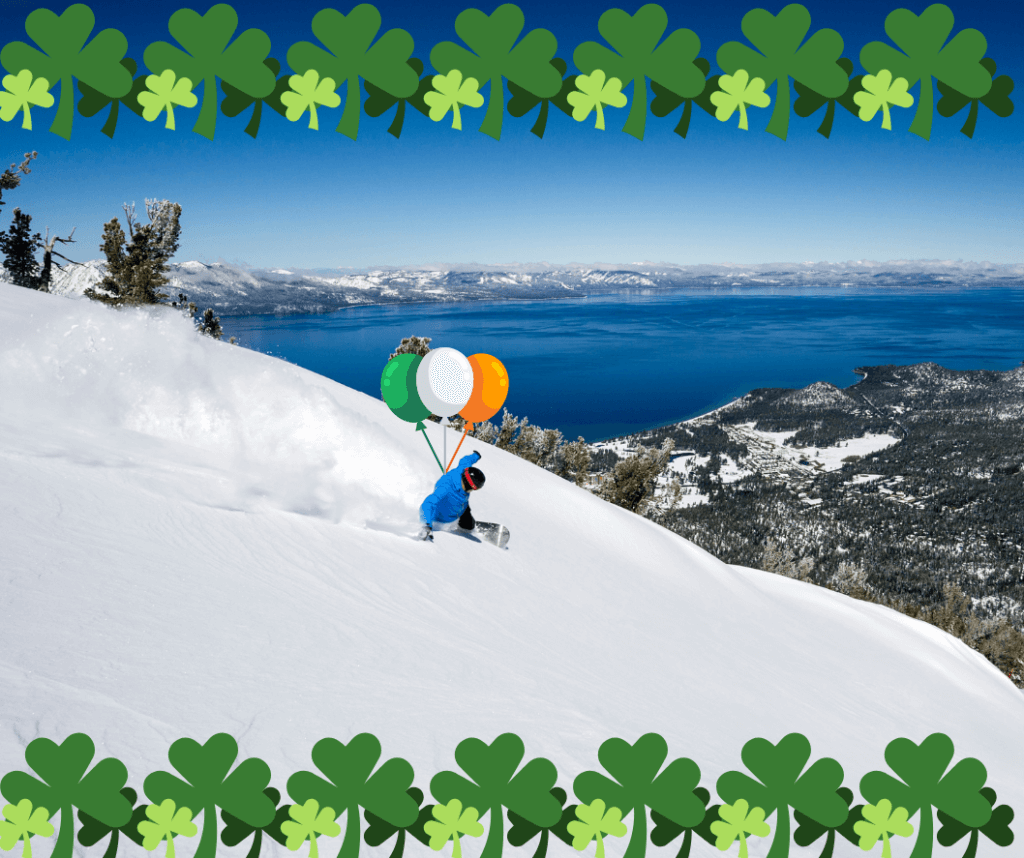
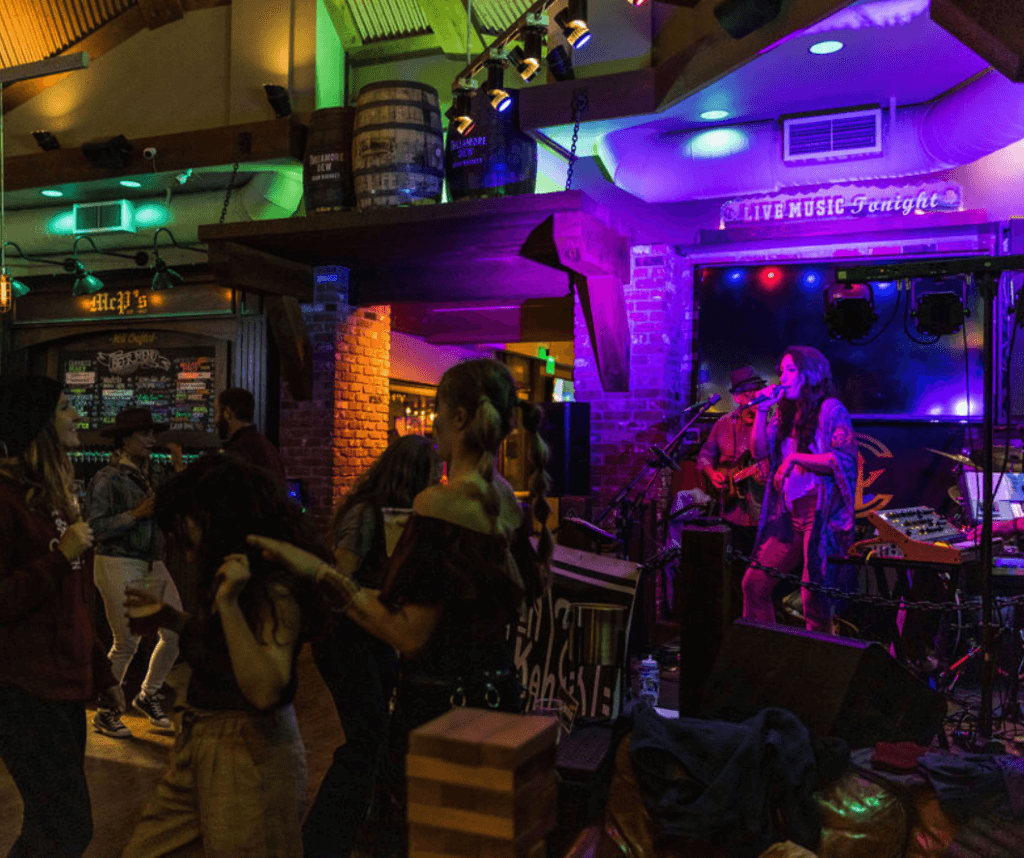
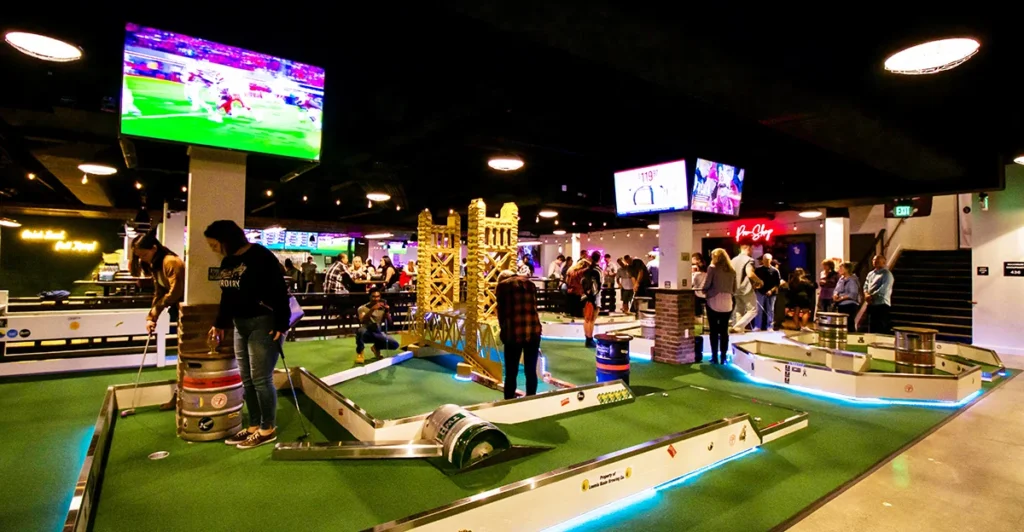
 St. Patrick’s Day Weekend Get Lucky at
  . One Lucky Winner will win a $1,000 gift card to Tipsy Putt by downloading our app!