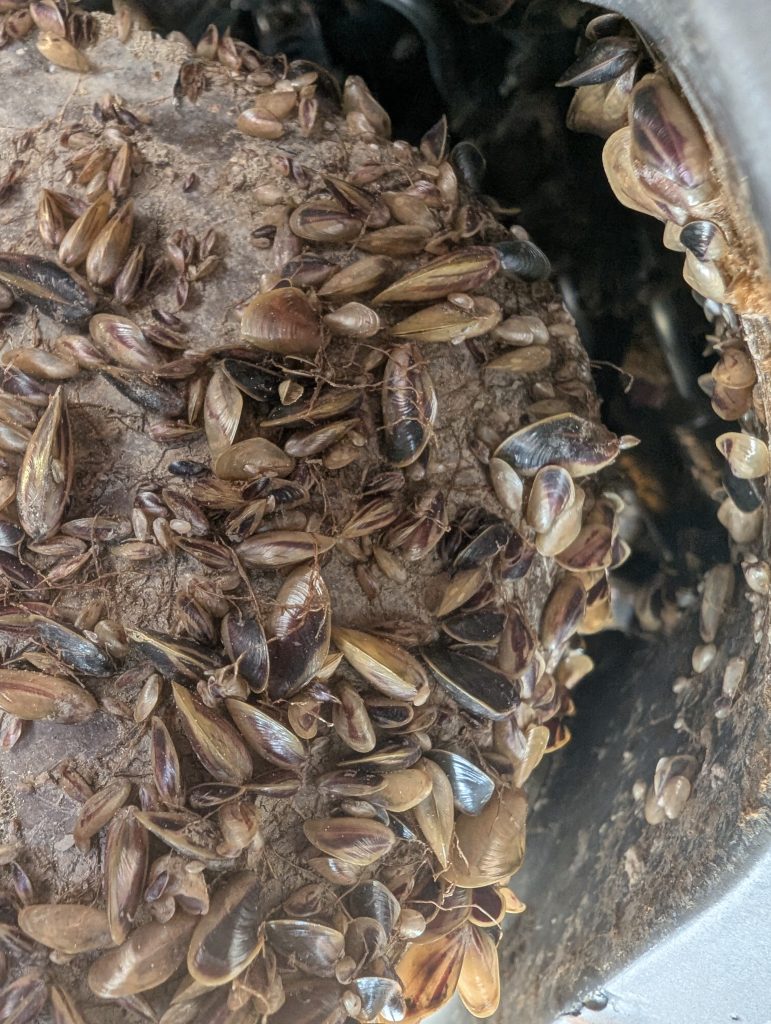
LAKE TAHOE, Calif./Nev. – Since their introduction to the Sacramento-San Joaquin Delta in California in October 2024, golden mussels continue to be a major concern for Lake Tahoe and other regional bodies of water.
To date, the Tahoe watercraft inspectors have intercepted 10 vessels contaminated with golden mussels. They’ve also intercepted 10 vessels with quagga or zebra mussels.
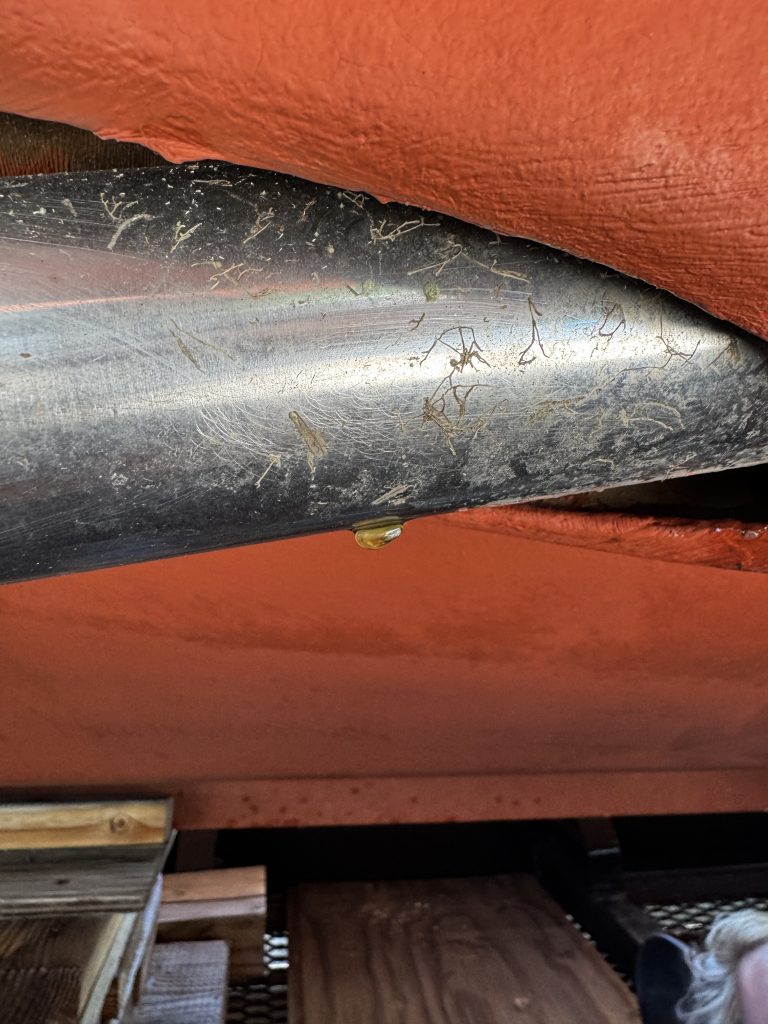
With a broader tolerance for different habitats compared to quagga and zebra mussels, golden mussels pose a greater threat to Lake Tahoe, according to the Lake Tahoe Invasive Species Program. The source says the species can also form dense colonies on hard surfaces, encrusting boats, piers, rocks, and pipes, and can impact water quality and native species.
Senators and other lawmakers and leaders addressed the threat multiple times at the 30th Tahoe Summit, which recently took place at Sand Harbor State Park.
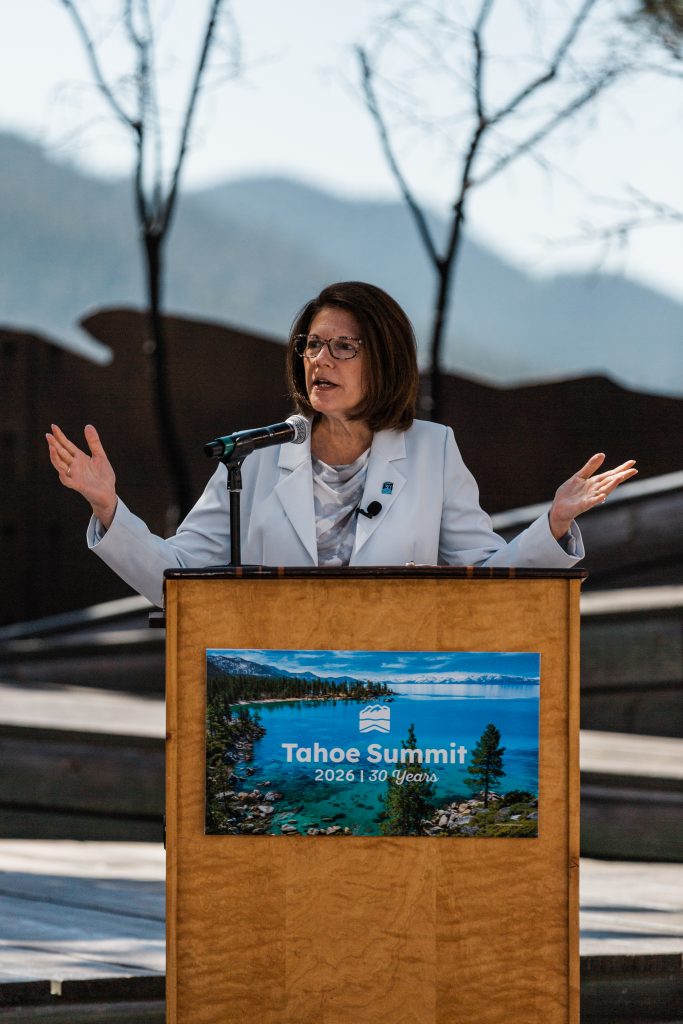
In a pull-aside at the summit with Senator Catherine Cortez Masto, the Tribune inquired about federal action targeting golden mussels.
“Our fight right now is to stop the spread,” Senator Cortez Masto said. “We have actually passed several pieces of legislation because we see what’s happening.”
Much of the legislation was enacted before the species, originally from Asia, appeared in North America and addresses aquatic invasive species in general.
In the Water Resources Development Act of 2020, Senators Cortez Masto and Jackie Rosen created the Invasive Species in Alpine Lakes Pilot Program, which implemented measures necessary to prevent, reduce, and eradicate aquatic invasive species in alpine lakes.
The program was reauthorized in 2024, the same year the species were discovered, and approved through 2030 under the Thomas R. Carper Water Resources Development Act of 2024.
In January 2025, the Washoe Tribe of Nevada and California and the Tahoe Regional Planning Agency received $3.1 million from the Bipartisan Infrastructure Law to prevent the spread of aquatic invasive species at Lake Tahoe. The funding was part of $17 million in grants the U.S. Fish and Wildlife Service was authorized to provide through the Bipartisan Infrastructure Law to support Lake Tahoe’s conservation, restoration, and resilience.
The legislation, the senator explained, is focused on getting funding and resources into local communities. It also supports collaborative research at the University of Nevada, Reno and UC Davis.
Cortez Masto said addressing golden mussels also requires community understanding and individuals to play their part, from getting inspections to inspecting their own watercraft.
Last year, in response to the mussel detection, the Tahoe Regional Planning Agency bolstered its mandatory inspection program to require mandatory decontamination for boats that last launched anywhere outside the Lake Tahoe Region.